Smart Home Intercoms: Communicate with Ease and Security

Source:https://allservices4u.co.uk

In an age where technology is seamlessly integrated into nearly every aspect of our lives, smart home intercoms have emerged as a game-changer for communication and security within the home. These advanced systems provide a convenient and efficient way to stay connected with family members, visitors, and service personnel, all while adding an extra layer of security to your property. Smart home intercoms offer more than just the ability to communicate across rooms—they come with features that enhance the overall convenience and safety of your home. In this article, we’ll explore how smart home intercoms work, their key benefits, and how to incorporate them into your home to ensure ease of communication and heightened security.

1. Understanding Smart Home Intercoms

A smart home intercom is an advanced communication system that allows homeowners to communicate with others in and around their homes, often through audio and video capabilities. Unlike traditional intercoms, which typically function as standalone units, smart home intercoms integrate with your home’s Wi-Fi network, smartphones, and other smart devices, making them far more versatile and functional.

Key Features of Smart Home Intercoms

  1. Two-Way Communication: Smart home intercoms facilitate clear and crisp two-way communication. Whether you’re in the kitchen and someone is at the front door or in the basement, you can easily communicate with other family members, guests, or service providers.
  2. Video Capabilities: Many modern intercoms are equipped with video cameras, allowing you to not only hear but also see who is at your door or in a different room. This feature enhances security by enabling you to visually verify the identity of anyone requesting entry into your home.
  3. Smartphone Integration: One of the standout features of smart home intercoms is their ability to sync with smartphones and tablets. This allows you to communicate from virtually anywhere in or around your home, even if you’re outside or on the go. Some intercom systems even allow you to communicate with visitors remotely via an app, making it perfect for homes with a large perimeter or multiple floors.
  4. Voice Assistants and Smart Integration: Many intercom systems are compatible with voice assistants like Amazon Alexa or Google Assistant. This means you can issue voice commands to make calls, adjust settings, or communicate hands-free. Additionally, smart home intercoms can often integrate with other home automation systems, such as lighting, security cameras, and alarms, to create a more cohesive smart home ecosystem.
  5. Intercom with Smart Locks: A common pairing for smart home intercoms is smart locks. This feature allows homeowners to unlock doors remotely or grant access to trusted visitors directly from the intercom unit or their smartphone. For added convenience, you can integrate voice commands to unlock the door hands-free.

2. Benefits of Smart Home Intercoms

Smart home intercoms offer a range of benefits that go beyond simple communication. By integrating them into your home, you can enjoy enhanced security, convenience, and control. Below are some of the major advantages:

1. Enhanced Home Security

The primary appeal of a smart home intercom is its ability to boost your home’s security. When combined with cameras, motion detectors, and smart locks, intercom systems can act as an integral part of a home security network. For instance, a video intercom system allows you to see who’s at your door before you open it, which is especially important for screening strangers or deliveries.

Additionally, some systems allow you to record conversations and footage, which can be invaluable in the event of a security breach. The ability to communicate with someone at the door or gate from the comfort of your living room—or even remotely—adds an extra layer of control and protection to your home.

2. Convenience and Efficiency

For large homes or multi-level residences, walking from room to room to communicate with family members can become tedious. With a smart home intercom, you can quickly reach anyone in the house without the need to leave your current location. This is especially beneficial for busy households, allowing for quick messages, reminders, or requests to be relayed efficiently.

In addition, many smart home intercoms support voice control, making them incredibly convenient for those with mobility issues or for homes with elderly family members who may struggle with operating more complex devices. Simple commands like “Call kitchen” or “Ask kids to come downstairs” can streamline communication without requiring users to press buttons or use screens.

3. Seamless Integration with Other Smart Devices

Smart home intercoms are designed to integrate with other home automation systems. For instance, they can be connected to your home’s lighting system, thermostat, and even security cameras, offering an all-in-one smart home experience. This integration allows you to control various aspects of your home from a central point, such as adjusting lighting or checking security cameras during conversations.

The versatility and compatibility of smart home intercoms with existing smart devices enhance the overall functionality of your home, providing more control and a better user experience.

4. Communication with Visitors and Service Providers

Whether you’re at home or away, smart home intercoms allow you to communicate directly with visitors, package delivery services, or contractors without opening the door. For instance, if someone arrives at your door, the intercom system can let you know who’s there through a video call or audio message. If you’re busy or out of the house, you can still speak to the person remotely and even give instructions—say, for a package drop-off.

Additionally, when combined with a smart lock, you can grant entry to trusted visitors or service personnel without the need to be physically present. This functionality is particularly beneficial for those who have busy schedules or travel frequently, as it allows you to maintain a level of control over who enters your home, even when you’re not around.

3. How to Choose the Right Smart Home Intercom System

When considering a smart home intercom, it’s important to choose a system that best fits your needs, budget, and home’s existing infrastructure. Here are some key factors to consider:

1. Determine Your Communication Needs

If you live in a smaller home or apartment, a basic audio intercom might be sufficient for your needs. However, larger homes or those with multiple floors may benefit from video intercoms that allow you to visually identify who you’re speaking with.

For added security and convenience, opt for a system that integrates with your existing smart home devices, such as doorbell cameras, smart locks, and security systems. This integration creates a unified, streamlined communication and security experience.

2. Look for Compatibility with Your Smart Home Ecosystem

Before purchasing, make sure the intercom system is compatible with other smart home products you already own or plan to integrate into your home. For example, if you use Google Assistant or Amazon Alexa, choose a system that supports voice commands through these platforms. Likewise, systems that support remote access through a mobile app can provide greater flexibility and control.

3. Consider Video Quality and Audio Performance

If you opt for a video intercom system, the quality of the video feed and audio should be clear and reliable. Look for systems with high-definition cameras that offer wide-angle views of entryways or doorways. Additionally, ensure the audio quality is sufficient to have clear conversations, especially when you’re trying to communicate with visitors in noisy environments.

4. Evaluate Installation and Maintenance

Some smart home intercoms require professional installation, while others are DIY-friendly. If you’re comfortable with technology, a system that can be installed easily and quickly might be more appealing. Also, consider the maintenance requirements—whether the system needs regular software updates, troubleshooting, or additional equipment (such as extra cameras or smart locks).

In conclusion, smart home intercoms are more than just communication tools—they are an essential part of modern home security and convenience. By providing clear, reliable communication between family members and visitors, and offering integration with your broader smart home ecosystem, these systems make it easier to manage your home’s daily operations. Whether you’re looking to enhance your home’s security, improve internal communication, or add more convenience to your lifestyle, a smart home intercom system is an investment that pays off in multiple ways. The seamless integration, enhanced security features, and ability to control your home from anywhere make these systems an essential component of a connected, modern home.
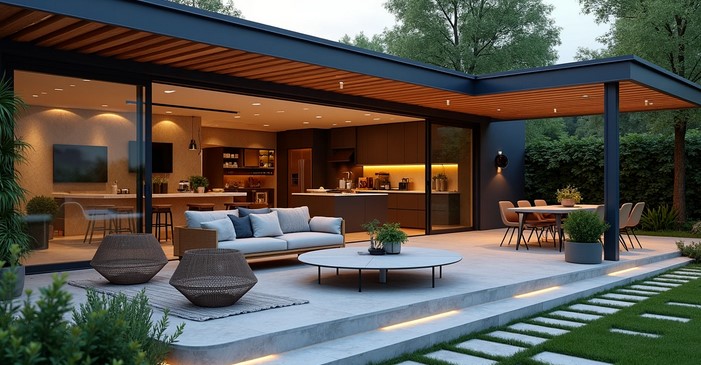
Outdoor Sound Systems: Enhance Your Backyard Entertainment

Source:https://urbanoasiscontracting.com

When it comes to elevating your backyard entertainment experience, few things make as big of an impact as high-quality outdoor sound systems. Whether you’re hosting a summer barbecue, enjoying a quiet evening under the stars, or throwing a full-on garden party, having an exceptional sound system can transform the atmosphere and make your outdoor space feel like an extension of your living room. In this article, we’ll explore the benefits of outdoor sound systems, how to choose the right one for your needs, and the best options to consider for a truly immersive sound experience in your backyard.

1. Why You Should Invest in Outdoor Sound Systems

When you think of a perfect backyard, it’s easy to imagine the beautiful landscaping, the cozy seating arrangements, and the grill sizzling away. But what often takes the experience to the next level is the ability to enjoy music or other audio seamlessly. A high-quality outdoor sound system can significantly enhance your gatherings, providing clear and powerful sound without the hassle of lugging indoor speakers outside or dealing with poor acoustics.

Clear, High-Quality Sound

The most compelling reason to invest in an outdoor sound system is the improvement in sound quality. Outdoor spaces are typically more challenging to equip with sound than indoor rooms due to environmental factors like open space, wind, and background noise. A dedicated outdoor sound system is designed to overcome these challenges, offering crystal-clear audio that reaches every corner of your yard.

Whether you’re listening to music, watching movies, or hosting a gathering, outdoor sound systems provide a balanced, immersive sound experience. Unlike regular indoor speakers, these systems are built with weather-resistant materials, making them durable enough to withstand outdoor conditions while maintaining excellent audio performance.

Versatility and Convenience

Another advantage of outdoor sound systems is their versatility. Many modern systems are wireless, meaning you can place speakers wherever you want without worrying about tangled wires or the need for complex installation. With Bluetooth or Wi-Fi connectivity, you can easily connect your phone, tablet, or other devices to play your favorite playlists, podcasts, or radio stations.

Wireless systems also allow for easy expansion. If you start with a small system but later want to add more speakers or upgrade to a surround-sound setup, it’s typically a simple process. This flexibility means that your outdoor audio setup can grow with your needs and preferences over time.

Weatherproofing and Durability

Outdoor sound systems are specifically engineered to resist the elements. Whether it’s the heat of summer, the chill of fall, or the rain of spring, these systems are built to endure harsh weather conditions without compromising sound quality. Most outdoor speakers come with weather-resistant casings, UV-protected components, and rust-proof finishes to ensure longevity.

However, while the system itself may be weatherproof, it’s always a good idea to protect the speakers from extreme conditions when possible. Some systems even offer weatherproof covers or enclosures, adding an extra layer of protection against rain, dust, and debris.

2. How to Choose the Right Outdoor Sound System for Your Backyard

When selecting an outdoor sound system, there are several factors to consider in order to find the best fit for your space and entertainment needs. Here are some essential aspects to keep in mind:

Size and Layout of Your Outdoor Space

The size of your backyard plays a crucial role in determining the type and number of speakers you’ll need. Larger yards or open areas might require more powerful speakers or a multi-speaker setup to ensure the sound reaches every corner without distortion.

For smaller backyards, a single, high-quality speaker may suffice. However, if you’re dealing with a large patio, garden, or pool area, you’ll likely need multiple speakers or a more robust sound system to fill the space with clear, even sound.

Type of System: Wired vs. Wireless

One of the most important decisions you’ll make when choosing an outdoor sound system is whether to go with a wired or wireless setup. Both have their pros and cons:

  • Wireless Systems: These are more convenient and flexible, especially for smaller spaces or those who don’t want to deal with the hassle of running cables through their yard. Wireless outdoor sound systems often use Bluetooth or Wi-Fi to connect to your devices. However, you may experience limitations in terms of range, and wireless speakers may require regular charging or battery replacements.
  • Wired Systems: Wired systems are typically more reliable when it comes to sound quality because they don’t rely on a Wi-Fi or Bluetooth signal, which can sometimes interfere with audio performance. A wired system can also be more permanent, making it a good option for homeowners who want a long-term setup. However, installation can be more involved and may require professional assistance.

Sound Coverage and Audio Quality

When investing in an outdoor sound system, the quality of sound and coverage is paramount. Look for systems that offer high-fidelity sound with features like equalization settings, bass control, and wide dispersion to ensure the sound reaches every corner of your yard.

Consider the number of speakers you’ll need to achieve the best coverage. Some systems offer “satellite” speakers that can be placed around the yard for a more even distribution of sound, while others provide all-in-one units that cover a broad area.

3. Top Outdoor Sound System Options for Your Backyard

Now that you have a clear understanding of the factors involved in choosing the right outdoor sound system, let’s take a look at some of the top options currently available on the market.

1. Sonos Outdoor Speakers

Sonos is a well-known brand for indoor and outdoor audio systems. Their Sonos Outdoor Speakers are designed to provide high-quality, durable sound, perfect for outdoor spaces. These speakers are built with weather-resistant materials and are compatible with other Sonos products, so you can create a multi-zone audio system across your backyard. Their sleek design and excellent sound quality make them a popular choice for homeowners looking to enhance their outdoor entertainment setup.

2. Bose 251 Environmental Outdoor Speakers

Bose has long been synonymous with premium sound quality, and the Bose 251 Environmental Outdoor Speakers are no exception. Designed to withstand the elements, these speakers offer full-range sound and impressive bass response, even in larger outdoor areas. With their wide sound coverage and ability to resist moisture and UV damage, the Bose 251 speakers are an excellent choice for those looking to add an audiophile-grade experience to their backyard.

3. Polk Audio Atrium 4

If you’re looking for a budget-friendly yet reliable outdoor sound system, the Polk Audio Atrium 4 is a solid choice. These compact speakers provide excellent sound quality and are built to endure tough weather conditions. They are easy to install, and their sleek, understated design allows them to blend well with any outdoor space. The Atrium 4 speakers are perfect for smaller backyards or patios where you want to enjoy clear sound without breaking the bank.

4. Klipsch AWR-650-SM

For a more unique option, the Klipsch AWR-650-SM outdoor speakers double as faux rocks. These rock-shaped speakers blend seamlessly into your garden or landscape while providing powerful, clear sound. Their weather-resistant design and ability to deliver robust audio make them a standout option for homeowners who want an aesthetically pleasing and functional sound solution.

Outdoor sound systems are an excellent way to enhance your backyard entertainment, providing high-quality audio that can transform any gathering into a memorable event. Whether you’re hosting a lively party or simply relaxing outside, having a dedicated outdoor sound system ensures that you enjoy your music or movies in style. By considering the size of your space, the type of system you prefer, and the sound quality you need, you can find the perfect outdoor sound system to suit your backyard. With a little research and thoughtful planning, you can create an immersive audio experience that will elevate your outdoor living space for years to come.

Energy-Efficient HVAC Systems: Stay Comfortable and Save

Source:https://www.tritechenergy.com

As energy costs continue to rise and environmental concerns take center stage, homeowners and businesses alike are turning to more sustainable and cost-effective solutions. One such solution is investing in energy-efficient HVAC systems. These systems not only provide reliable heating and cooling but also significantly reduce energy consumption, saving you money while minimizing your carbon footprint. In this article, we will explore the benefits of energy-efficient HVAC systems, how they work, and how you can maximize their potential in your home or business.

1. What Are Energy-Efficient HVAC Systems?

An HVAC system—short for heating, ventilation, and air conditioning—plays a crucial role in maintaining indoor comfort by regulating temperature, humidity, and air quality. Traditional HVAC systems can consume a lot of energy, especially if they are outdated or inefficient. In contrast, energy-efficient HVAC systems are designed to use less energy while still delivering optimal performance.

These systems incorporate advanced technology, improved insulation, and smart controls to minimize energy consumption. They often include features like variable-speed motors, smart thermostats, and high-efficiency heat pumps, which help to ensure that your home or office stays comfortable without wasting excess energy.

Key Features of Energy-Efficient HVAC Systems

  1. Variable-Speed Motors: Traditional HVAC systems use fixed-speed motors that operate at full capacity or not at all, resulting in fluctuations in temperature and unnecessary energy consumption. Energy-efficient systems feature variable-speed motors that adjust to the needs of the space, offering more consistent temperatures and reducing energy usage.
  2. Smart Thermostats: These devices learn your temperature preferences and adjust automatically, optimizing energy use. They can also be controlled remotely, ensuring that the HVAC system operates only when needed.
  3. High-SEER Ratings: The Seasonal Energy Efficiency Ratio (SEER) measures the efficiency of air conditioning systems. Higher SEER ratings indicate more energy-efficient cooling. Modern energy-efficient HVAC systems often have SEER ratings of 15 or higher, compared to older models that typically have ratings as low as 10.
  4. Heat Pumps: Heat pumps are a more efficient alternative to traditional heating and cooling methods. They can transfer heat between the inside and outside of a building, making them ideal for moderate climates. In comparison to electric resistance heating, heat pumps can reduce energy consumption by up to 50%.

2. The Benefits of Energy-Efficient HVAC Systems

Investing in energy-efficient HVAC systems can offer a wide range of benefits for homeowners and businesses. Not only do these systems help reduce energy bills, but they also improve indoor comfort, increase property value, and contribute to environmental sustainability.

Reduced Energy Bills

The most immediate benefit of energy-efficient HVAC systems is the reduction in energy bills. Because these systems are designed to optimize energy consumption, they use less electricity or gas to heat or cool a space. Over time, this can lead to significant savings on your monthly utility bills. While the initial cost of an energy-efficient HVAC system may be higher, the long-term savings typically outweigh the investment.

For example, according to the U.S. Department of Energy, replacing an old air conditioning unit with a high-efficiency model can save you up to 20% on your cooling costs. When combined with other energy-saving practices like proper insulation and sealing gaps in your home, these savings can increase even further.

Improved Comfort and Air Quality

Energy-efficient HVAC systems do more than just regulate temperature; they also help maintain optimal indoor air quality. Many modern systems come equipped with advanced filtration systems that remove dust, allergens, and other harmful particles from the air. This makes them particularly beneficial for individuals with respiratory conditions, such as asthma or allergies.

In addition, these systems are designed to provide consistent temperature control. By reducing fluctuations in temperature and humidity, energy-efficient HVAC systems create a more comfortable living environment. For example, the use of variable-speed motors allows the system to maintain a steady airflow, eliminating hot or cold spots in the room.

Longer System Lifespan

One of the lesser-known advantages of energy-efficient HVAC systems is their longevity. Because these systems are designed with more advanced technology and higher-quality components, they tend to last longer than traditional models. Regular maintenance and proper use can extend the lifespan of an energy-efficient HVAC system by many years, saving you the cost of early replacements and repairs.

Moreover, energy-efficient models often come with warranties that cover parts and labor for extended periods, further ensuring that you get the most value from your investment.

Environmental Benefits

As concerns about climate change grow, many homeowners and businesses are looking for ways to reduce their environmental impact. Energy-efficient HVAC systems are one of the easiest and most effective ways to achieve this. By using less energy to heat and cool a space, these systems help reduce the overall demand for electricity, which in turn reduces greenhouse gas emissions.

Additionally, many modern HVAC systems use environmentally friendly refrigerants that have a lower impact on the ozone layer compared to older systems. This makes them a more sustainable choice, both for your home and the planet.

3. How to Choose and Optimize Your Energy-Efficient HVAC System

Choosing the right energy-efficient HVAC system for your home or business requires careful consideration of your needs, budget, and local climate. Here are some tips to help you select the best system and ensure it operates at maximum efficiency:

Consider Your Climate

The local climate plays a significant role in determining the type of HVAC system that will be most effective for your space. For example, if you live in a region with hot summers and mild winters, an energy-efficient air conditioning system paired with a heat pump may be the best option. In colder climates, a high-efficiency furnace combined with a smart thermostat can provide efficient heating throughout the winter months.

Check SEER Ratings

The SEER rating is a critical factor when evaluating air conditioning systems. As mentioned earlier, a higher SEER rating indicates greater energy efficiency. Be sure to look for systems that have a SEER rating of 15 or higher to ensure you are getting the best energy efficiency possible.

Size Matters

An HVAC system that is too large or too small for your space will not operate efficiently. A system that is too large will cycle on and off frequently, wasting energy. A system that is too small will struggle to reach the desired temperature, causing it to run constantly and use more energy than necessary. Have a professional perform a load calculation to determine the right size system for your space.

Regular Maintenance

To ensure that your energy-efficient HVAC system continues to operate at peak efficiency, regular maintenance is essential. This includes changing filters, cleaning ducts, checking refrigerant levels, and inspecting system components for wear and tear. Many HVAC companies offer maintenance plans that provide regular inspections and tune-ups, which can help extend the life of your system and prevent costly repairs down the line.

Smart Thermostats and Zoning Systems

Installing a smart thermostat can optimize the performance of your HVAC system by automatically adjusting the temperature based on your preferences and schedule. Some systems also allow for zoning, which lets you control the temperature in different areas of your home or office independently. This ensures that energy is only used where it is needed, helping to further reduce your energy consumption.

Incorporating energy-efficient HVAC systems into your home or business is a smart investment that offers long-term benefits. Not only will these systems help you save money on energy bills, but they also provide improved comfort, enhanced air quality, and contribute to environmental sustainability. By choosing the right system, performing regular maintenance, and optimizing its performance, you can enjoy a comfortable indoor environment while minimizing your carbon footprint. Whether you’re upgrading an existing system or installing a new one, energy-efficient HVAC systems are a key component in creating a more energy-conscious, cost-effective, and eco-friendly home or workplace.

Home Security Cameras to Protect Your Property

Source:https://reolink.com

In today’s increasingly unpredictable world, protecting your home and loved ones is more important than ever. Whether you live in a quiet suburban neighborhood or a bustling city, enhancing your home security should be a top priority. Among the most effective tools available are home security cameras. These surveillance systems not only deter potential intruders but also provide valuable evidence in the event of a break-in or suspicious activity. With advances in technology, modern security cameras offer features like remote monitoring, motion detection, night vision, and cloud storage, making them a practical solution for homeowners seeking peace of mind.

The Growing Importance of Residential Surveillance

Security systems were once considered a luxury or only necessary in high-risk areas. Today, however, they are an essential component of responsible homeownership. As burglary techniques become more sophisticated and incidents of package theft and property vandalism increase, visible security measures play a vital role in prevention and protection.

Home security cameras are particularly effective because of their dual function: deterrence and documentation. Studies show that visible surveillance cameras can significantly reduce the risk of crime, as intruders are less likely to target homes with evident security systems. Moreover, in the event of an incident, recorded footage can help law enforcement identify suspects and recover stolen property.

Modern camera systems are no longer limited to expensive professional setups. DIY-friendly models have become widely accessible, allowing homeowners to install, configure, and monitor their systems with relative ease. Smart integration, real-time alerts, and app-based controls have made home surveillance both user-friendly and highly efficient.

Types of Home Security Cameras and Their Features

Indoor vs. Outdoor Cameras

The first distinction to consider when selecting a system is between indoor and outdoor cameras. Indoor cameras are typically smaller and more discreet, designed to monitor entryways, hallways, or main living areas. Outdoor cameras, on the other hand, are built with weather-resistant housing to withstand rain, snow, heat, and cold. They are often mounted at entrances, driveways, and perimeter fences to provide a full view of the property’s exterior.

Outdoor models may also include infrared night vision, motion-activated lights, and two-way audio to ward off unwanted visitors or communicate with delivery personnel.

Wired, Wireless, and Wire-Free Systems

  • Wired cameras are connected via cables and typically offer reliable power and data transmission. They are best for permanent installations and high-resolution surveillance but may require professional installation.
  • Wireless cameras transmit data over Wi-Fi but still need a power source, usually through an outlet. These are easier to install and offer flexible placement options.
  • Wire-free cameras operate on battery power and are fully wireless. They are ideal for remote areas or temporary surveillance needs, though they may require frequent battery changes or solar charging options.

Key Technological Features

  • High-Definition (HD) Video Quality: Look for cameras that offer at least 1080p resolution for clear footage.
  • Night Vision: Infrared (IR) technology enables cameras to capture detailed images in complete darkness.
  • Motion Detection: Smart sensors can trigger alerts or recordings only when movement is detected, saving storage and reducing false alarms.
  • Cloud and Local Storage: Choose between systems that save footage to the cloud (requiring a subscription) or use local storage like SD cards or DVRs.
  • Mobile App Integration: Most modern systems allow you to view live footage, receive alerts, and manage settings from your smartphone.
  • Facial Recognition and AI: Advanced models can distinguish between people, animals, and objects, reducing unnecessary notifications.

Choosing the Right System for Your Property

Assessing Your Security Needs

Before purchasing a system, assess the specific risks and layout of your property. A small apartment may only require one or two indoor cameras, while a larger home with multiple entry points and a backyard will benefit from a more comprehensive setup.

Identify areas that are most vulnerable—such as front and back doors, ground-level windows, garages, and hidden corners—and prioritize those for camera placement. For homes with children, elderly family members, or pets, indoor monitoring may also provide added peace of mind.

Scalability and Compatibility

Consider whether the system can grow with your needs. Many brands offer modular systems that allow you to add more cameras or sensors later. Additionally, ensure that your camera system integrates well with other smart home devices, such as doorbell cameras, smart locks, and home assistants like Alexa or Google Home.

Budget and Subscription Plans

While initial hardware costs vary, many cloud-based systems also come with ongoing subscription fees for storage and premium features. Evaluate your budget and determine whether a one-time investment in a local storage system may be more economical in the long run.

Also, factor in the cost of additional equipment like mounting brackets, extended batteries, or solar panels if needed. Balance the level of security you require with the amount you’re willing to spend, keeping in mind that protecting your home is an investment in your family’s safety.

Investing in home security cameras is a practical and proactive step toward safeguarding your home, property, and loved ones. With a wide range of options available—from basic indoor units to advanced outdoor systems with smart features—homeowners can tailor their surveillance to match their specific needs and budget. As technology continues to evolve, these systems offer not only protection but also peace of mind, knowing that your home is being watched over, whether you’re at work, on vacation, or simply sleeping soundly at night.

Air Filtration Systems to Improve Indoor Air Quality

Source:https://www.poughkeepsieenv.com

Indoor air quality has a direct impact on our health, comfort, and overall well-being. With people spending an increasing amount of time indoors—whether at home, work, or school—clean indoor air is more important than ever. One of the most effective ways to reduce airborne pollutants and create a healthier living environment is by using air filtration systems. These systems are designed to remove a wide range of contaminants, including dust, pollen, pet dander, mold spores, and even microscopic pollutants like bacteria and viruses. In this article, we’ll explore how air filtration systems work, the different types available, and how to choose the best one for your needs.

Why Indoor Air Quality Matters

According to the Environmental Protection Agency (EPA), indoor air can be two to five times more polluted than outdoor air. Common sources of indoor air pollution include cleaning chemicals, combustion appliances, off-gassing from furniture, mold growth, and allergens brought in from outside. Poor air quality can lead to a variety of health issues, such as respiratory problems, allergies, asthma flare-ups, fatigue, and even long-term complications with heart and lung health.

Improving indoor air quality is particularly crucial for vulnerable populations such as children, the elderly, and individuals with pre-existing health conditions. With modern buildings being tightly sealed for energy efficiency, the natural ventilation process is often limited, making mechanical air purification solutions essential.

Types of Air Filtration Systems and How They Work

Mechanical Filters (HEPA and Beyond)

High-Efficiency Particulate Air (HEPA) filters are among the most common and effective types of mechanical air filters. These filters capture particles as small as 0.3 microns with an efficiency rate of 99.97%. HEPA filters are ideal for trapping dust, pollen, mold spores, and other common allergens. They are often used in standalone air purifiers as well as in HVAC systems.

Other types of mechanical filters include MERV-rated filters (Minimum Efficiency Reporting Value), which vary in their ability to trap particles based on their rating. The higher the MERV rating, the finer the filtration—though higher ratings may require stronger fans to push air through.

Activated Carbon Filters

Activated carbon filters are designed to remove odors and gaseous pollutants, including volatile organic compounds (VOCs) emitted by household products, paint, and tobacco smoke. These filters are often used in combination with HEPA filters for more comprehensive purification. While they are not as effective in removing particulate matter, they are excellent at adsorbing chemical contaminants from the air.

Electrostatic and Ionic Filters

Electrostatic air purifiers work by using an electrical charge to attract and trap particles. Ionic air purifiers release negative ions that bind with airborne particles, causing them to fall to the ground or be collected on plates. While these systems can reduce particulate levels, some models may produce ozone as a by-product, which can be harmful in high concentrations. Therefore, it’s important to choose certified models that meet ozone emission safety standards.

UV-C Light Systems

Ultraviolet (UV-C) air purifiers use short-wave ultraviolet light to deactivate bacteria, viruses, and other pathogens by disrupting their DNA. These systems are often used in medical and commercial settings but are becoming more common in residential applications. UV-C systems are most effective when used alongside particulate and carbon filters, as UV alone does not remove physical particles from the air.

How to Choose the Right Air Filtration System

Understanding Your Specific Needs

Before selecting an air filtration system, it’s important to identify the primary concerns you want to address. Are you dealing with seasonal allergies, pet dander, lingering odors, or concerns about airborne pathogens? Different systems excel at different tasks, so understanding your needs will help guide your decision.

Size and Coverage Area

Ensure the system you choose is appropriate for the size of the room or space you want to purify. Air purifiers are typically rated by their Clean Air Delivery Rate (CADR), which indicates how quickly the unit can clean the air in a given room size. For whole-house solutions, integrating an air filtration system into your HVAC unit may be the most efficient option.

Maintenance and Filter Replacement

Maintenance is a key consideration. Most air filtration systems require regular filter changes to maintain performance. HEPA filters generally need to be replaced every 6 to 12 months, while carbon filters may need more frequent changes. Some advanced models include filter change indicators, smart sensors, and app connectivity for convenient maintenance.

Noise and Energy Efficiency

For systems used in bedrooms or offices, noise levels can be a factor. Many modern air filtration systems are designed to operate quietly, even on higher settings. Energy Star-rated purifiers are also available for those who prioritize energy efficiency.

With growing awareness of the impact of indoor air pollution on our health, more people are turning to air filtration systems as a reliable solution. These systems offer a wide range of options—from HEPA and carbon filters to UV-C and electrostatic technologies—catering to different needs and environments. By selecting the right system and maintaining it properly, you can significantly improve the air quality in your home or workplace, leading to better health outcomes and enhanced comfort. Investing in clean air today means taking a proactive step toward a healthier, more breathable future for yourself and your loved ones.