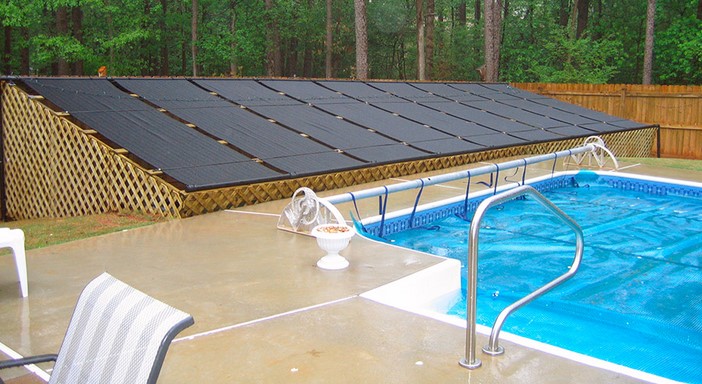
Solar-Powered Pool Heaters: Sustainable Heating for Your Pool

Source:https://www.energy.gov

When it comes to extending your pool season and enjoying warm water all year round, solar-powered pool heaters present an eco-friendly and cost-effective solution. As energy costs continue to rise and environmental concerns become more pressing, many pool owners are turning to solar-powered systems to maintain a comfortable water temperature without the hefty utility bills. Solar pool heating systems harness the power of the sun to heat your pool, making them an ideal choice for those looking to reduce their carbon footprint while enjoying consistent warmth in their pools. In this article, we’ll explore how solar-powered pool heaters work, their benefits, and why they’re becoming an increasingly popular choice for sustainable pool heating.

1. How Solar-Powered Pool Heaters Work

Solar-powered pool heaters are designed to take advantage of the sun’s energy to heat your pool water. The system works by circulating water through solar collectors—large panels or tubes—where the water is heated by the sun before being returned to the pool. This process is simple, efficient, and environmentally friendly, relying on renewable energy instead of electricity or gas to generate heat. Here’s a breakdown of how it works:

Components of a Solar Pool Heating System

A solar-powered pool heating system consists of several key components:

  • Solar Collectors: These are the panels or tubes that absorb sunlight and transfer heat to the water. The most common types are flat-plate collectors or evacuated tube collectors. Flat-plate collectors are large panels that sit on your roof or another sunny area, while evacuated tube collectors are cylindrical and more efficient at collecting sunlight.
  • Pump: The pump circulates water from the pool through the solar collectors. The water is typically filtered before it enters the system to ensure that debris doesn’t clog the collectors.
  • Flow Control Valve: This valve helps regulate the flow of water through the system, ensuring that the water stays at an optimal temperature before it returns to the pool.
  • Controller: A controller unit monitors the temperature of both the pool water and the water in the solar collectors. It determines when the system should activate or shut down, ensuring efficient use of the solar energy.
  • Storage Tank (Optional): Some systems include a storage tank, which can be used to store heated water for later use, ensuring that the pool remains warm during cloudy days or at night.

The Heating Process

The water from the pool is pumped into the solar collectors, where it flows through the tubes or panels. These collectors are typically installed on a roof, deck, or a sunny spot in your yard, where they can absorb maximum sunlight. As the water passes through the collectors, the sun’s energy heats it. The heated water is then returned to the pool, raising the overall temperature of the water.

The process continues as long as the sun is shining, with the system automatically shutting off once the desired temperature is reached. On cloudy or rainy days, the system may not heat the water as effectively, but many systems include a backup heating option (such as gas or electric) to maintain temperature when solar energy is insufficient.

2. The Benefits of Solar-Powered Pool Heaters

There are numerous benefits to installing a solar-powered pool heater. These systems offer significant cost savings, environmental advantages, and enhanced comfort for pool owners. Below are some of the key benefits:

1. Energy Efficiency and Cost Savings

One of the biggest advantages of solar-powered pool heaters is the reduction in energy costs. Unlike traditional gas or electric heaters that require an external power source, solar heaters rely entirely on renewable solar energy, which is free. As a result, once installed, your operational costs are minimal, making it a highly cost-effective option in the long term.

While the initial installation cost of a solar heating system can be higher than that of conventional heaters, the savings on energy bills can quickly make up for the upfront cost. Most pool owners find that their solar-powered pool heater pays for itself within a few years due to the elimination of energy costs.

2. Environmental Sustainability

Solar-powered pool heaters are an eco-friendly alternative to traditional pool heating methods. By using the sun’s renewable energy, you reduce your reliance on fossil fuels, lowering your carbon footprint and contributing to a greener planet. Unlike gas heaters that emit greenhouse gases or electric heaters that may draw power from non-renewable sources, solar heaters are clean, sustainable, and produce no harmful emissions.

Using solar energy for pool heating also helps reduce the environmental impact associated with electricity generation and fossil fuel extraction. By switching to a solar-powered system, pool owners can significantly reduce their overall energy consumption and help mitigate climate change.

3. Long-Lasting and Low Maintenance

Solar-powered pool heaters are built to last. With proper installation and regular maintenance, they can serve for 15-20 years or even longer. The systems have fewer moving parts compared to gas or electric heaters, reducing the likelihood of mechanical failure and the need for costly repairs.

Maintenance typically involves cleaning the collectors to ensure they are free of debris and checking for any signs of wear. This is relatively simple and inexpensive compared to the ongoing maintenance required for gas or electric heaters, which often require professional servicing.

4. Consistent Pool Heating

Solar-powered pool heaters can provide a steady, consistent temperature for your pool, especially during sunny days when solar energy is abundant. The system works efficiently to maintain a comfortable pool temperature without the fluctuations often associated with traditional heating methods. On particularly sunny days, solar pool heaters can even provide excess heat, allowing you to enjoy a warm swim late into the season.

In addition, many solar pool heating systems are designed to work in conjunction with automatic pool covers, helping retain the heat overnight or during cooler weather. This combination ensures that the pool stays at the optimal temperature with minimal energy loss.

3. Factors to Consider When Choosing Solar-Powered Pool Heaters

While solar-powered pool heaters offer many advantages, it’s important to consider several factors to ensure you select the right system for your pool. Here are a few things to keep in mind when deciding on a solar pool heater:

1. Size and Pool Type

The size of your pool is an essential factor in choosing a solar heater. Larger pools will require larger or more solar collectors to heat the water effectively. It’s important to work with a professional to calculate the appropriate collector area needed for your pool. A general guideline is that the solar collector area should be equal to about 50% to 100% of the surface area of your pool.

Additionally, the type of pool you have—whether in-ground or above-ground—can affect the installation and system requirements. In-ground pools typically need larger systems due to their greater water volume, while above-ground pools may require smaller setups.

2. Climate and Location

Your geographic location and local climate play a significant role in how effective a solar-powered pool heater will be. Areas with abundant sunlight, such as those in the southern United States or tropical climates, are ideal for solar pool heating systems. If you live in a region with frequent cloud cover or long winters, you might need to supplement the solar system with a backup heating option, such as gas or electric heating.

3. Roof Space and Installation Considerations

Since solar collectors are typically mounted on the roof, it’s important to assess the available roof space and its orientation to the sun. The collectors should be installed in an area that receives maximum sunlight throughout the day, ideally facing south for optimal efficiency.

It’s also crucial to consider the structural integrity of your roof, especially if you’re installing large or multiple solar panels. A professional installer will evaluate your roof and determine the best configuration for your system.

Incorporating solar-powered pool heaters into your backyard is an excellent way to achieve sustainable, cost-effective heating for your pool. By harnessing the power of the sun, you can enjoy warm water year-round without worrying about high energy bills or environmental impact. With minimal maintenance, long-lasting durability, and impressive energy savings, solar-powered pool heaters offer a practical and eco-friendly solution for any pool owner. As renewable energy continues to grow in popularity, solar pool heaters stand out as an ideal choice for those looking to combine comfort, efficiency, and sustainability in their pool heating system.
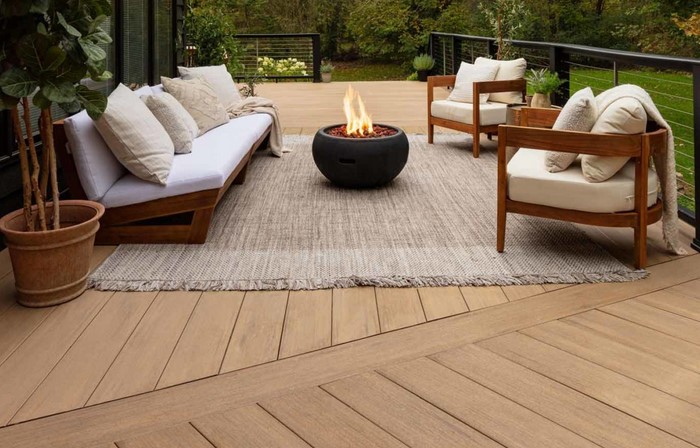
Recycled Outdoor Decking: Sustainable Materials for Your Deck

Source:https://www.bonicklandscaping.com

As more homeowners seek eco-friendly alternatives for their outdoor spaces, sustainable solutions have become a priority in landscaping and home design. One of the most impactful ways to reduce your environmental footprint while enhancing your home’s exterior is by choosing recycled outdoor decking materials. Traditional wood decks, while beautiful, contribute to deforestation and often require regular maintenance that can harm the environment. Recycled outdoor decking offers a durable, sustainable, and low-maintenance alternative, giving you the chance to enjoy a beautiful deck without compromising the planet’s health. In this article, we will explore the advantages of recycled outdoor decking, the various materials available, and why it’s an ideal choice for those who want to build a stylish yet environmentally conscious outdoor living space.

1. Why Choose Recycled Outdoor Decking?

The demand for eco-friendly materials in construction and landscaping is steadily rising. When it comes to outdoor decking, recycled materials are gaining popularity because of their ability to offer both environmental and practical benefits. Let’s take a closer look at the advantages of choosing recycled outdoor decking for your deck:

A. Environmental Benefits

The primary reason many homeowners are opting for recycled decking materials is to contribute to environmental sustainability. Traditional wood decking often relies on timber from forests, leading to deforestation and habitat destruction. By using recycled materials, you can reduce the need for new timber and help conserve forests.

Recycled outdoor decking is typically made from materials such as reclaimed wood, recycled plastic, or a combination of both. These materials are repurposed from products that would otherwise end up in landfills. For instance, plastic bottles, used pallets, or discarded wood can be reprocessed into durable decking boards. This process significantly reduces waste, making recycled decking a sustainable alternative to traditional materials.

Moreover, many manufacturers of recycled decking use environmentally friendly production methods. Some decking products are made with low or zero-emission processes, further reducing their environmental impact.

B. Durability and Low Maintenance

One of the major advantages of recycled outdoor decking is its exceptional durability. Recycled decking materials, particularly those made from a combination of wood fibers and plastic (also known as composite decking), are highly resistant to the elements. They do not warp, splinter, or crack as easily as traditional wood decking, making them an excellent choice for long-lasting outdoor solutions.

Additionally, recycled decking typically requires much less maintenance than natural wood. Unlike wood, which needs to be stained or sealed regularly to protect it from moisture, insects, and UV rays, recycled decking materials are designed to withstand harsh weather conditions without the need for frequent upkeep. This makes them an ideal option for busy homeowners who want a beautiful, functional deck without the time and effort required for ongoing maintenance.

C. Aesthetic Flexibility

Another advantage of recycled outdoor decking is the wide range of colors, textures, and finishes available. Whether you prefer a sleek, modern look or a more natural, rustic aesthetic, you can find recycled decking options to match your style. Recycled decking products can be molded to mimic the appearance of wood, giving you the classic charm of a wood deck without the associated environmental impact.

Some recycled decking options even offer customizable features, allowing you to choose from various colors and textures, as well as finishes that match your overall outdoor design. This versatility ensures that you can create the perfect deck that complements your home’s exterior and outdoor living area.

2. Types of Recycled Outdoor Decking Materials

There are several types of recycled materials commonly used in outdoor decking. Each has its own set of advantages, and the choice of material will largely depend on your budget, desired appearance, and specific functional needs. Here’s a breakdown of the most popular types of recycled decking materials:

A. Composite Decking

Composite decking is perhaps the most popular form of recycled outdoor decking. It’s typically made from a blend of wood fibers (often sourced from recycled wood products) and recycled plastic (such as polyethylene). The combination of these materials makes composite decking incredibly durable and resistant to moisture, decay, and insect damage.

The aesthetic appeal of composite decking is another reason it’s so widely chosen. It can be manufactured to mimic the appearance of natural wood, with grain patterns and textures that look remarkably similar to real wood. Additionally, composite decking is available in a variety of colors and finishes, providing homeowners with a wide range of design options.

One of the standout features of composite decking is its low maintenance. Unlike wood, it doesn’t need to be stained or sealed, and it can be cleaned easily with soap and water. Many composite decking products also come with warranties, providing homeowners with added peace of mind about their investment.

B. Recycled Plastic Decking

Recycled plastic decking is another excellent option for homeowners seeking an eco-friendly decking solution. Made from 100% recycled plastic materials, such as bottles, containers, and other plastic waste, this type of decking is entirely free of wood fibers. Recycled plastic decking is highly durable, resistant to moisture, and won’t splinter or warp over time.

One of the main benefits of recycled plastic decking is its resistance to mold, mildew, and algae growth. Because plastic doesn’t absorb moisture, it’s less prone to rotting or decaying compared to wood, making it ideal for areas that experience high humidity or rain. Additionally, recycled plastic decking is available in various colors and can be designed to resemble wood, though it lacks the natural texture of wood.

Recycled plastic decking is also extremely low-maintenance. It doesn’t require any sanding, sealing, or staining, and can typically be cleaned with soap and water. For homeowners looking for a virtually maintenance-free deck, recycled plastic decking is a great option.

C. Reclaimed Wood Decking

For homeowners who want a more natural look but still wish to use recycled materials, reclaimed wood decking is an excellent choice. Reclaimed wood is salvaged from old barns, warehouses, or other structures, giving it a unique, weathered appearance. The wood is then cleaned, sanded, and treated to make it suitable for outdoor use.

Reclaimed wood decking is often praised for its distinctive charm and rustic beauty. Because it’s repurposed, it also helps reduce the demand for new lumber, making it an eco-friendly choice. However, reclaimed wood decking may require more maintenance than composite or plastic decking, as it’s still a natural material that can be prone to wear and tear. Regular sealing and treatment may be needed to keep the wood looking its best.

D. Rubber Decking

Rubber decking, made from recycled rubber tires, is a more unconventional option but offers a number of advantages. It’s slip-resistant, shock-absorbent, and highly durable, making it a great choice for areas around pools or outdoor entertainment spaces. Rubber decking is available in various textures and colors, providing versatility in design.

Like recycled plastic, rubber decking is low-maintenance and resistant to water, mold, and mildew. It also provides excellent cushioning, making it a good option for families with children or pets.

3. Installation and Care for Recycled Outdoor Decking

Once you’ve selected the right type of recycled outdoor decking material, it’s important to ensure proper installation and care to get the most out of your investment. Here are some tips for installing and maintaining your recycled deck:

A. Professional Installation

Although some recycled decking materials are designed for DIY installation, it’s often best to hire a professional installer. Proper installation is crucial to the longevity and stability of your deck. A professional can ensure that the decking is properly secured, leveled, and aligned, which will prevent problems such as sagging or uneven surfaces down the road.

B. Regular Cleaning

Even though recycled outdoor decking requires less maintenance than traditional wood, it still needs to be cleaned regularly to preserve its appearance. For composite or plastic decking, a simple rinse with a garden hose or a mild soap solution should be sufficient to remove dirt and debris. Use a soft brush or cloth to scrub away any stubborn stains, being careful not to scratch the surface.

For reclaimed wood decking, periodic cleaning and sealing will help protect it from moisture and weathering. Consider using a wood cleaner or a specialized deck cleaning solution to keep the surface looking fresh.

C. Periodic Inspections

Regularly inspecting your deck for damage or wear will help ensure its longevity. Check for any loose boards, cracks, or signs of mold or mildew, and address any issues promptly. Recycled decking materials are designed to be durable, but it’s always a good idea to keep an eye on your deck to prevent small issues from becoming bigger problems.

In conclusion, recycled outdoor decking is an ideal solution for homeowners who want to create a stylish, durable, and sustainable outdoor space. By choosing materials like composite decking, reclaimed wood, recycled plastic, or rubber, you can enjoy the beauty of a new deck while helping to reduce waste and conserve natural resources. Recycled decking offers exceptional durability, requires minimal maintenance, and can be tailored to match your outdoor aesthetic. Whether you’re looking to enhance your backyard, create a cozy outdoor entertainment area, or simply reduce your environmental impact, recycled outdoor decking is a great choice for building a deck that lasts.

Energy-Saving Window Films: Enhance Comfort and Reduce Bills

Source:https://images.squarespace-cdn.com

In an era where energy conservation is more important than ever, homeowners are continually seeking innovative solutions to reduce their energy bills and carbon footprints. One such solution gaining traction is energy-saving window films. These films are an affordable, efficient, and non-invasive way to enhance the energy performance of your home or office. By adding a thin, protective layer to your windows, energy-saving window films can significantly reduce heating and cooling costs while improving indoor comfort. In this article, we will dive into how energy-saving window films work, their benefits, and why they are a great addition to any home or business.

1. How Energy-Saving Window Films Work

Energy-saving window films are specially designed to control the amount of heat and light entering or leaving a building through its windows. These films are typically made of multiple layers of micro-thin polyester that are coated with metal oxide or ceramic particles. The films work in two ways: they reflect excess heat away from your space during the summer and trap heat inside during the winter.

Reflecting Heat and UV Protection

The reflective properties of energy-saving window films prevent excessive heat from entering your home during hot summer months. The films act as a barrier to solar heat, which is a major cause of high air conditioning costs. By blocking up to 80% of solar heat, these films reduce the load on your air conditioning unit, allowing it to operate more efficiently.

Additionally, energy-saving window films block harmful ultraviolet (UV) rays, which can cause skin damage and fade furniture, carpets, and artwork. By blocking up to 99% of UV rays, these films protect your interiors while keeping you safe from harmful radiation.

Insulation in the Winter

During the winter months, energy-saving window films help keep warmth inside your home. The films are designed to reduce the amount of heat lost through your windows, which is a major contributor to high heating bills. By improving your windows’ insulation properties, these films help maintain a stable indoor temperature, reducing the need for continuous heating and saving you money.

Glare Reduction and Comfort

Another benefit of energy-saving window films is their ability to reduce glare. By cutting down on glare from the sun, these films make indoor spaces more comfortable, especially in rooms with large windows or during bright, sunny days. Whether you’re watching TV, working on a computer, or simply relaxing, glare reduction allows for better visibility and a more pleasant environment.

2. Benefits of Energy-Saving Window Films

Energy-saving window films offer a wide range of advantages for both residential and commercial properties. Not only do these films improve energy efficiency, but they also contribute to a more comfortable and aesthetically pleasing space.

Lower Energy Bills

One of the most immediate benefits of installing energy-saving window films is a reduction in energy bills. With these films preventing heat gain in the summer and heat loss in the winter, your HVAC system doesn’t have to work as hard to maintain a comfortable indoor temperature. As a result, your energy consumption decreases, leading to significant savings on both heating and cooling costs.

According to the U.S. Department of Energy, up to 30% of heating and cooling energy is lost through windows, making them a major source of energy inefficiency. By installing energy-saving window films, you can significantly reduce these losses and save money over time.

Increased Comfort

In addition to saving energy, energy-saving window films enhance overall comfort in your living or working space. By stabilizing the temperature, reducing glare, and blocking UV rays, these films create a more pleasant indoor environment. You won’t experience those hot spots in sun-facing rooms, and during colder months, the rooms will stay warmer without relying as heavily on the heating system.

This improved comfort is especially beneficial for people who are sensitive to temperature changes or who have rooms with large windows that tend to fluctuate in temperature. Whether in your home or office, you can enjoy a consistent and comfortable atmosphere all year round.

Protection for Interiors

Another benefit of energy-saving window films is their ability to protect your home’s interior furnishings. UV rays are a leading cause of fading, discoloration, and deterioration of furniture, carpets, and artwork. By blocking up to 99% of harmful UV rays, these films help preserve the condition of your valuable possessions and maintain their appearance for longer.

Additionally, many window films provide a level of safety by reinforcing glass. In the event of an accidental breakage or natural disaster, the film can help prevent glass shards from scattering, offering a layer of protection for your family or employees.

Eco-Friendly Solution

As more people become concerned about the environmental impact of their daily activities, energy-saving window films provide an eco-friendly alternative to traditional methods of energy conservation. By reducing the energy required for heating and cooling, these films lower your overall carbon footprint. This not only helps you save on energy costs but also contributes to global sustainability efforts.

The installation of these films is a simple, non-invasive way to make your home or business more energy-efficient without requiring costly renovations or replacements of your windows.

3. How to Choose the Right Energy-Saving Window Film

When selecting energy-saving window films, there are a few factors to consider to ensure you get the best results for your needs. The right film can make a significant difference in energy efficiency, comfort, and aesthetics.

Window Type and Orientation

The type and orientation of your windows will impact the effectiveness of the energy-saving window film. For instance, windows that face the sun for most of the day may benefit from films that block heat and glare, while windows that are exposed to cold winds may require films that provide better insulation. Consider the direction your windows face and the climate in your region to choose the best film for your needs.

Film Performance and Features

There are various types of energy-saving window films available, each with different levels of heat rejection, UV blocking, and glare reduction. Some films provide additional benefits, such as anti-reflective coatings or frosted designs for added privacy. Research the film’s specifications to understand its performance characteristics and determine which one best suits your goals.

Professional vs. DIY Installation

While some window films are designed for DIY installation, professional installation is often recommended for the best results, especially if you want to ensure proper fit and long-lasting adhesion. Professional installers have the experience and tools to apply the film smoothly without bubbles or wrinkles, which can detract from the film’s effectiveness.

Additionally, professional installers can offer a warranty for their work, providing you with peace of mind that the job will be done correctly and the film will last for years to come.

Aesthetic Preferences

Finally, consider the aesthetic impact of the window film. Energy-saving films come in various shades, tints, and finishes. Some films provide a reflective, mirrored finish that offers additional privacy, while others are virtually clear, allowing natural light to enter while blocking harmful rays. Choose a film that complements your home or office’s décor while still providing the benefits you need.

Energy-saving window films are a practical and cost-effective solution for homeowners and businesses looking to reduce energy consumption, increase comfort, and protect their interiors. By blocking excess heat in the summer, retaining warmth in the winter, and reducing glare and UV damage, these films offer a wide range of benefits. The energy savings alone can justify the investment, but the added comfort and protection make it an even more appealing choice. If you are looking to make your home or office more energy-efficient while enhancing your space’s comfort and aesthetic appeal, energy-saving window films are a smart investment that will pay off in the long run.

Home Insulation Solutions for Maximum Comfort

Source:https://cdn.prod.website-files.com

Achieving the perfect balance of warmth in winter and coolness in summer is a goal that every homeowner strives for. However, without proper insulation, maintaining a comfortable indoor temperature can become an expensive and challenging endeavor. Home insulation solutions play a crucial role in regulating temperature, reducing energy consumption, and improving overall home comfort. By investing in the right insulation methods, homeowners can create more energy-efficient spaces while also contributing to environmental sustainability. In this article, we will explore various home insulation solutions for maximum comfort, offering practical options and expert advice to help you make informed decisions for your home.

1. Understanding the Importance of Home Insulation

Home insulation involves the process of filling the gaps in a home’s structure—walls, floors, ceilings, and even windows and doors—with materials that resist the flow of heat. Proper insulation helps maintain the desired temperature inside the home, preventing heat loss during winter and minimizing heat gain in summer. With effective insulation, your home becomes more energy-efficient, reducing the need for heating and cooling systems to work overtime, which can result in significant savings on energy bills.

Subheading: Benefits of Home Insulation

Insulation provides numerous benefits, making it an essential component of any home. Here are some key advantages:

  • Energy Efficiency: Proper insulation reduces the need for artificial heating and cooling, which can lead to lower energy consumption and reduced utility bills. By preventing heat from escaping or entering your home, insulation ensures that your HVAC systems are running efficiently.
  • Comfort: Insulation helps create a consistent and comfortable indoor climate. By preventing drafts and cold spots in winter and keeping rooms cooler in summer, insulation ensures that your home remains cozy year-round.
  • Noise Reduction: Insulation also helps to soundproof your home by absorbing sound waves. This is particularly beneficial if you live in a noisy neighborhood or if you want to keep noise levels low between rooms.
  • Environmental Impact: Insulating your home contributes to sustainability by reducing energy consumption and your carbon footprint. By using less energy for heating and cooling, you’re actively lowering your home’s overall environmental impact.

2. Types of Home Insulation Solutions

There are various types of insulation materials and methods available, each suited for specific parts of the home. The choice of insulation depends on factors like the climate in your area, the part of the house being insulated, and your budget. Here are some of the most common home insulation solutions:

Subheading: Common Insulation Materials and Techniques

  • Fiberglass Insulation: One of the most popular and cost-effective types of insulation, fiberglass is made of fine glass fibers and can be used in attics, walls, and floors. It’s available in batts, rolls, or loose-fill form. Fiberglass insulation offers great thermal resistance and helps to reduce both heat transfer and noise.
  • Spray Foam Insulation: Spray foam is a versatile and effective insulation material that expands when applied, filling every gap and crack. It provides excellent air sealing and can be used in difficult-to-reach areas, such as around pipes and in corners. There are two types of spray foam: open-cell and closed-cell, with closed-cell foam providing higher insulation values.
  • Cellulose Insulation: Made from recycled paper products, cellulose insulation is an eco-friendly choice. It’s often blown into attic spaces and wall cavities, offering a high level of thermal resistance and soundproofing. Cellulose is a good option for homes seeking a sustainable, energy-efficient solution.
  • Foam Board Insulation: Foam boards are rigid panels that are ideal for insulating basement walls, exterior walls, and foundations. Foam board insulation provides high thermal resistance and is water-resistant, making it suitable for areas that are prone to moisture.
  • Reflective or Radiant Barrier Insulation: This type of insulation is commonly used in attics to reflect radiant heat away from the home. Made from aluminum foil or similar materials, reflective barriers are especially beneficial in hot climates where cooling is a major concern.
  • Mineral Wool (Rock or Slag Wool): Mineral wool insulation is made from natural or recycled stone materials and is available in batts, rolls, or loose-fill form. It provides good thermal resistance and is fire-resistant, making it a great option for high-heat areas such as around fireplaces or chimneys.
  • Blown-in Insulation: This insulation is made up of loose-fill materials, such as fiberglass, cellulose, or mineral wool, which are blown into cavities in walls, attics, or floors using a special machine. It’s ideal for existing homes that need insulation added to hard-to-reach areas.

3. Choosing the Right Insulation for Your Home

Choosing the right home insulation solutions involves evaluating the specific needs of your space. Not all insulation materials are created equal, and what works for one home may not be suitable for another. Here are some factors to consider when selecting the right insulation for your property:

Subheading: Key Considerations for Choosing Insulation

  • R-Value: The R-value is a measure of an insulation material’s ability to resist heat flow. The higher the R-value, the better the material insulates. The recommended R-value for your home will depend on your climate zone, the part of the home being insulated, and your specific energy efficiency goals. Attics, for example, require a higher R-value than walls.
  • Climate Zone: If you live in a region with harsh winters, you’ll need insulation materials that provide high thermal resistance. On the other hand, if you live in a warmer climate, your insulation needs might focus more on reflecting heat and keeping your home cool.
  • Moisture Resistance: If you’re insulating areas that are prone to moisture, such as basements or crawl spaces, it’s important to choose materials that resist mold and mildew growth. Foam boards, spray foam, and mineral wool are great options for moisture-prone areas.
  • Installation Method: Some insulation materials, like fiberglass batts or foam boards, are easy to install and can be handled by DIY enthusiasts. However, others, such as spray foam or blown-in cellulose, may require professional installation for optimal performance.
  • Environmental Considerations: If sustainability is a priority for you, look for insulation materials that are made from recycled or natural products, such as cellulose, mineral wool, or spray foam with low environmental impact.

In conclusion, home insulation solutions for maximum comfort are a worthwhile investment that can significantly improve your home’s energy efficiency, comfort, and overall quality of life. By understanding the different types of insulation materials, their benefits, and how they can be applied to your home, you can make informed choices to ensure your space remains energy-efficient and comfortable throughout the year. Whether you choose fiberglass, spray foam, or cellulose, selecting the right insulation will help you enjoy a more sustainable and cost-effective living environment while enhancing your comfort and well-being.

Sustainable Landscaping Tips for a Greener Backyard

Source:https://www.vitacost.com

In recent years, sustainable landscaping has become a key focus for homeowners looking to reduce their environmental footprint and create greener, more eco-friendly outdoor spaces. By implementing sustainable landscaping tips, you can transform your backyard into an attractive, low-maintenance oasis that conserves water, supports local wildlife, and reduces your reliance on chemicals. Sustainable landscaping not only benefits the environment but also saves you time and money in the long run. Whether you’re looking to redesign your garden or make small, gradual changes, this article will provide practical advice to help you achieve a greener backyard that’s both beautiful and sustainable.

Why Sustainable Landscaping Matters

Before diving into the specific tips, it’s important to understand why sustainable landscaping is so beneficial. Sustainable landscaping aims to create outdoor spaces that are in harmony with the natural environment. This involves using practices and materials that minimize waste, conserve water, support biodiversity, and reduce the use of harmful chemicals. Here are some of the top reasons to embrace sustainable landscaping:

  • Water Conservation: Sustainable practices often focus on reducing water usage by selecting drought-tolerant plants and incorporating efficient irrigation systems.
  • Biodiversity Support: By planting native species and creating habitats for wildlife, sustainable landscapes help maintain local ecosystems.
  • Reduced Environmental Impact: Sustainable landscaping reduces the need for chemical fertilizers and pesticides, preventing harm to surrounding environments and wildlife.

By integrating sustainable landscaping tips into your backyard design, you’ll contribute positively to the planet while also enjoying a healthier, more vibrant garden space.

Sustainable Landscaping Tips for Your Backyard

Implementing sustainable landscaping practices doesn’t have to be complicated or expensive. Here are several tips to help you create a more sustainable backyard:

1. Choose Native Plants

One of the most effective sustainable landscaping tips is to incorporate native plants into your garden design. Native plants are naturally adapted to the local climate, meaning they require less water, fertilizer, and maintenance than non-native species. They also provide essential habitats and food sources for local wildlife, such as birds, bees, and butterflies.

  • Benefits:
    • Drought-tolerant: Native plants are often better suited to local soil and climate conditions, making them more resistant to drought.
    • Wildlife-friendly: Native plants attract beneficial insects, birds, and pollinators, promoting a healthy ecosystem.
    • Low-maintenance: Since native plants are adapted to their environment, they generally require less upkeep, saving you time and effort.

Some examples of native plants include purple coneflower, black-eyed Susan, and goldenrod. Be sure to research which plants are native to your region for the best results.

2. Incorporate a Rain Garden

Rain gardens are an excellent way to manage stormwater runoff, prevent erosion, and add beauty to your landscape. These gardens are designed to capture rainwater, allowing it to slowly filter into the ground rather than running off into storm drains. By incorporating a rain garden into your backyard, you can reduce water waste, improve water quality, and promote groundwater recharge.

  • Benefits:
    • Stormwater management: Rain gardens help absorb and filter rainwater, reducing the risk of flooding and waterlogging.
    • Water conservation: By collecting rainwater, you can reduce your reliance on municipal water systems for irrigation.
    • Biodiversity support: Rain gardens attract a variety of wildlife, including birds, frogs, and insects.

To create a rain garden, choose plants that thrive in wet conditions, such as rushes, sedges, and marsh marigold. Additionally, position your rain garden in a low-lying area of your yard where water naturally collects.

3. Use Mulch to Retain Moisture

Mulching is a simple yet highly effective sustainable landscaping tip that helps conserve moisture, suppress weeds, and improve soil health. By applying a thick layer of organic mulch around plants and garden beds, you can reduce water evaporation and keep the soil consistently moist. This means you’ll need to water less frequently, which saves water and reduces your utility bills.

  • Benefits:
    • Water retention: Mulch helps retain moisture in the soil, reducing the need for frequent watering.
    • Weed control: A thick layer of mulch acts as a natural weed barrier, reducing the need for chemical herbicides.
    • Soil health: Organic mulches, such as wood chips or compost, break down over time, enriching the soil with valuable nutrients.

For the best results, use mulch made from sustainable, organic materials like shredded leaves, straw, or bark. Be sure to apply a 2-4 inch layer of mulch to prevent weeds and retain moisture effectively.

Additional Sustainable Landscaping Practices

Beyond these core tips, there are several other sustainable landscaping practices that can help you create a greener backyard.

1. Install an Efficient Irrigation System

Traditional sprinklers often waste a significant amount of water by spraying indiscriminately across the yard. A more sustainable option is to install an efficient irrigation system, such as drip irrigation, which delivers water directly to the roots of plants. This method reduces water waste and ensures your plants receive the moisture they need without excess runoff.

  • Benefits:
    • Water efficiency: Drip irrigation uses less water than traditional sprinklers, making it an eco-friendly choice.
    • Precision: Water is delivered directly to plant roots, reducing evaporation and water loss.
    • Customizable: Irrigation systems can be tailored to suit your specific garden layout and plant needs.

2. Create a Composting Area

Composting is an excellent way to reduce waste and improve soil health. By composting yard clippings, food scraps, and other organic materials, you can create rich, nutrient-dense soil that benefits your garden. Composting reduces the need for chemical fertilizers and minimizes the amount of organic waste that ends up in landfills.

  • Benefits:
    • Waste reduction: Composting reduces the amount of organic waste sent to landfills, cutting down on greenhouse gas emissions.
    • Soil enrichment: Compost adds essential nutrients to your soil, improving plant health and growth.
    • Cost savings: By using homemade compost, you can reduce the need to purchase store-bought fertilizers.

Set up a composting area in a corner of your yard or use a compost bin for easy management. Be sure to include a mix of green (nitrogen-rich) and brown (carbon-rich) materials for the best results.

Sustainable landscaping tips can help you create a beautiful, eco-friendly backyard that requires less maintenance and resources while supporting local wildlife and reducing your environmental footprint. By incorporating practices such as planting native species, creating rain gardens, using mulch, and installing efficient irrigation systems, you can transform your outdoor space into a greener, more sustainable haven. Additionally, composting and other environmentally conscious practices will further enhance the health of your garden and help you conserve resources. Whether you’re just getting started or looking for ways to improve your existing landscape, these sustainable landscaping tips will guide you in creating a space that is both beautiful and kind to the planet.