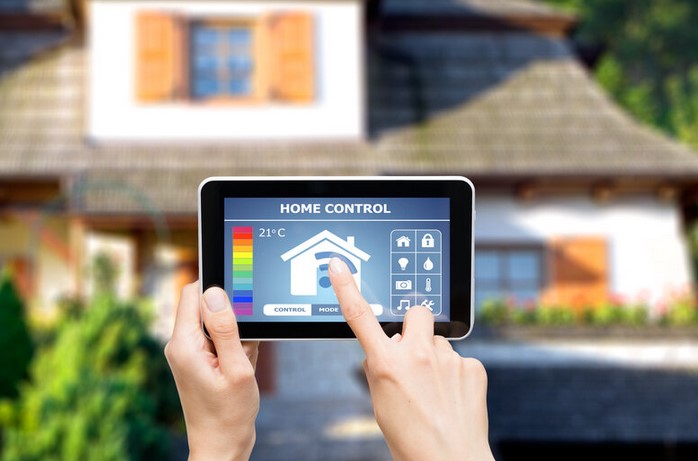
Smart Home Devices to Simplify Daily Life

Source:https://www.fullspectrumtg.com

In today’s fast-paced world, technology is playing an ever-increasing role in simplifying daily tasks and improving our quality of life. Smart home devices have emerged as one of the most significant innovations, offering convenience, energy efficiency, and enhanced security right at our fingertips. These devices allow us to control various aspects of our home, from lighting and temperature to security systems, all through smartphones, voice commands, or even automated schedules. As smart homes continue to evolve, the possibilities for improving daily life are becoming more expansive. In this article, we’ll explore some of the most popular smart home devices and how they can help make your daily routines easier, more efficient, and more enjoyable.

Benefits of Smart Home Devices

Convenience at Your Fingertips

The primary appeal of smart home devices is the convenience they offer. With the ability to control various systems in your home remotely, you can manage everything from your thermostat to your lighting with a simple tap on your phone or a voice command. This level of convenience is particularly beneficial for busy individuals or families, as it allows for seamless management of household tasks without needing to be physically present.

For example, imagine coming home from a long day at work and having your house automatically adjust to the perfect temperature, lights turned on to your preferred settings, and even your favorite music playing in the background— all without lifting a finger. This is the type of experience smart home devices can offer, turning your home into a more efficient, responsive environment.

Improved Energy Efficiency

Another significant advantage of smart home devices is their ability to help you save energy and reduce utility bills. Smart thermostats, for instance, learn your schedule and preferences, adjusting the temperature of your home only when needed. This means that you can maintain a comfortable living environment without having to worry about wasting energy when you’re not at home. In fact, some studies have shown that homes with smart thermostats can reduce energy consumption by as much as 10-15%.

Similarly, smart lighting systems can be programmed to turn off automatically when no one is in the room, helping to conserve electricity. Smart plugs also allow you to monitor and control the power consumption of appliances, ensuring that devices are only running when necessary.

Enhanced Security and Safety

Smart home devices are also helping to enhance the safety and security of our homes. With the integration of smart cameras, doorbell systems, and motion detectors, homeowners can monitor their property from anywhere in the world. These devices provide real-time alerts on your smartphone if any unusual activity is detected, helping you respond quickly in case of an emergency.

For example, a smart doorbell camera lets you see and communicate with visitors at your door, even if you’re not at home. Smart locks offer an added layer of security, allowing you to lock or unlock doors remotely, and even grant access to guests or service personnel with temporary codes.

Additionally, devices like smoke detectors and carbon monoxide detectors can alert you to dangers in your home, even when you’re not around, ensuring that you are always aware of potential hazards.

Popular Smart Home Devices to Simplify Your Life

1. Smart Thermostats

Smart thermostats, such as the Nest Learning Thermostat or the Ecobee SmartThermostat, are among the most popular and useful smart home devices on the market. These thermostats automatically adjust the temperature of your home based on your schedule and preferences, learning your habits over time to ensure that your heating and cooling systems are only running when they need to be.

Smart thermostats also allow you to control your home’s temperature remotely, either through an app on your smartphone or via voice command using Alexa, Google Assistant, or Siri. Whether you’re on vacation or just heading home from work, you can adjust the temperature to your liking, ensuring that you come back to a comfortable home.

2. Smart Lighting Systems

Gone are the days of manually turning lights on and off, especially when you leave a room. Smart lighting systems, such as Philips Hue or LIFX bulbs, allow you to control your lighting remotely, dim or brighten rooms based on your preference, and even change colors to set the mood. You can schedule your lights to turn on or off at specific times, so you never have to worry about whether you left a light on when you leave the house.

For added convenience, many smart lighting systems are compatible with voice assistants, enabling you to control your lights with a simple command. For instance, you can say “Alexa, turn off the lights in the living room” while you’re sitting on the couch, making it easier to adjust your home’s lighting without having to get up.

3. Smart Security Cameras and Doorbells

Security is a top priority for most homeowners, and smart security cameras and doorbells are some of the best smart home devices for ensuring your home is safe. Products like the Ring Video Doorbell or Arlo Pro cameras let you monitor the exterior of your home in real time, receive alerts when someone approaches, and even communicate with visitors through two-way audio.

These cameras are often equipped with motion sensors, night vision, and cloud storage, so you can access recorded footage if needed. Some models also integrate with other smart home devices, allowing you to lock doors, activate alarms, or adjust lighting when security threats are detected.

4. Smart Plugs

Smart plugs are small devices that can transform any regular appliance into a smart one. Simply plug your device into a smart plug, and you can control it remotely through an app or voice assistant. Whether it’s a lamp, coffee maker, or fan, smart plugs allow you to switch appliances on or off from anywhere, ensuring that devices aren’t wasting energy when not in use.

Some advanced smart plugs even allow you to monitor energy consumption, providing insights into how much power each appliance is using and helping you make more informed decisions about your energy use.

5. Smart Voice Assistants

Devices like Amazon Alexa, Google Assistant, and Apple Siri have revolutionized the way we interact with our homes. These smart voice assistants act as a hub for your other smart home devices, allowing you to control lights, thermostats, security systems, and even entertainment devices, all through simple voice commands.

You can ask your voice assistant to play music, set reminders, provide weather updates, or make grocery lists, all while performing other tasks around the house. Voice assistants also integrate with many third-party apps, allowing for even more functionality, such as making phone calls or ordering groceries online.

How to Integrate Smart Home Devices into Your Routine

Creating a Seamless Smart Home Experience

The key to truly simplifying your daily life with smart home devices is integration. Many smart home systems and devices are designed to work together, allowing you to automate and customize your home environment. For example, you can create “scenes” or routines where several devices work together at the same time.

For instance, a “Good Morning” routine could include your smart thermostat adjusting to the ideal morning temperature, your smart coffee maker brewing your coffee, and your lights gradually brightening as you wake up. Similarly, you could create an “Away” routine where your thermostat adjusts the temperature, your lights turn off, and your security cameras are activated when you leave the house.

The more you integrate your smart home devices, the more streamlined and efficient your daily life becomes.

Smart home devices offer a vast array of benefits that make daily life more convenient, efficient, and secure. From controlling your home’s temperature with a smart thermostat to enhancing your security with smart cameras and doorbells, these devices allow for greater control over your environment while reducing time and effort spent on mundane tasks. As smart technology continues to evolve, the potential for further simplifying daily routines is immense. Whether you’re looking to save energy, improve your home’s security, or simply enjoy more convenience, integrating smart home devices into your daily life is a great way to experience a more efficient, enjoyable living environment.

Smart Lighting Systems to Brighten Your Home Smartly

Source:https://blog.mipimworld.com

In today’s world, technology is seamlessly integrated into nearly every aspect of our lives, and lighting is no exception. Smart lighting systems are revolutionizing the way we illuminate our homes, offering a level of control and flexibility that traditional lighting simply cannot match. From energy efficiency to personalized ambiance, smart lighting systems allow homeowners to manage their lighting preferences with just a few taps on a smartphone or voice commands to a virtual assistant. This article explores the features and benefits of smart lighting, as well as how you can use these systems to brighten your home smartly and efficiently.

The Evolution of Lighting Technology

How Smart Lighting Systems Work

At the core of smart lighting systems is the ability to control your lights remotely, often through a smartphone app, voice commands, or automated schedules. Unlike conventional light bulbs, smart lights connect to your home’s Wi-Fi network or a smart hub, allowing you to adjust brightness, color, and even set up timed schedules for when the lights should turn on or off.

Smart lighting can be categorized into two main types: smart bulbs and smart switches.

  • Smart Bulbs: These are light bulbs that can be controlled individually or in groups through an app or voice assistant. They come in a variety of colors, temperatures, and brightness levels, enabling you to create custom lighting settings for different moods or activities.
  • Smart Switches: Rather than replacing your bulbs, smart switches replace the traditional light switches in your home, allowing you to control all connected lights at once. Smart switches are a great option for those who don’t want to replace every lightbulb in their home but still want to enjoy the benefits of smart lighting.

Once connected, smart lights can also integrate with other smart home devices such as thermostats, security cameras, and speakers, providing a truly interconnected living environment.

Advantages of Smart Lighting Systems

There are several advantages to installing smart lighting in your home, beyond just the convenience of being able to control your lights from anywhere.

  1. Energy Efficiency: Smart lighting systems allow you to schedule your lights to turn off automatically when they are not needed, reducing energy waste. Many systems also offer dimming features that allow you to adjust the brightness, further minimizing energy consumption.
  2. Customization: Whether you’re creating the perfect atmosphere for a movie night, a romantic dinner, or a productive work session, smart lighting systems provide customizable color temperatures and brightness levels to suit any occasion. Some systems even allow you to change the color of the light to match your interior decor or mood.
  3. Convenience: With smart lighting, you can easily control your lights through voice commands or a mobile app, making it especially convenient for individuals with mobility challenges. You can turn the lights on or off, adjust the brightness, or change the color from the comfort of your couch or bed.
  4. Security: Smart lighting systems can enhance your home’s security by simulating your presence when you’re away. Using schedules or geo-fencing, you can set your lights to turn on and off at different times, making it appear as though someone is home. This can deter potential burglars and provide added peace of mind.
  5. Integration with Other Smart Devices: A well-designed smart home ecosystem means your smart lighting can interact with other devices, such as smart thermostats and smart speakers. For instance, when your smart thermostat detects that you’ve entered the room, it can trigger the lights to turn on automatically.

Creative Ways to Use Smart Lighting Systems in Your Home

Enhancing Ambiance and Functionality

The possibilities for incorporating smart lighting into your home are nearly limitless. Whether you’re enhancing the ambiance of a cozy bedroom or setting up functional lighting in your home office, smart lighting systems can be tailored to fit your needs.

  1. Smart Lighting for Living Areas: One of the most common places to use smart lighting is in living rooms. You can create a relaxed environment for watching TV by adjusting the lighting to a warmer tone, or you can make the room more vibrant and bright for family gatherings or entertaining guests. Smart lighting systems can even sync with your TV or entertainment system to adjust lighting based on the action on-screen, creating a more immersive experience.
  2. Lighting for Home Offices: A well-lit workspace is essential for productivity. Smart lighting systems offer the flexibility to switch between bright, energizing light during the day and softer, warmer light in the evening to reduce eye strain. Additionally, you can automate the lighting to mimic natural daylight, which helps regulate your body’s circadian rhythms, boosting energy levels and focus.
  3. Smart Lighting for Bedrooms: Smart lighting systems are particularly effective in bedrooms. Many people use smart bulbs with adjustable color temperatures that can simulate natural light at different times of the day. In the morning, you can have your lights gradually brighten to mimic a sunrise, gently waking you up. At night, you can dim the lights to a soft glow to help you wind down. Furthermore, smart lighting systems with integrated alarms can be set to gradually brighten your room at a preset time, helping you wake up more naturally.
  4. Security and Safety Lighting: As mentioned, one of the key benefits of smart lighting systems is their ability to enhance home security. You can create the illusion of someone being home by having the lights turn on and off at random intervals or by scheduling the lights to automatically activate when motion is detected by a smart camera or security system.
  5. Outdoor Smart Lighting: Not just limited to indoor spaces, smart lighting can also enhance your outdoor areas. Use smart lighting to illuminate pathways, gardens, and patios. With weather-resistant smart bulbs, you can light up your yard with customizable colors or have the lights automatically turn on when the sun sets, creating a welcoming atmosphere for guests.

How to Choose the Right Smart Lighting System for Your Home

Factors to Consider

When selecting a smart lighting system, it’s important to consider several factors to ensure the system you choose meets your needs:

  1. Compatibility: Ensure that the smart lighting system you choose is compatible with your other smart home devices. Many systems are compatible with platforms such as Google Assistant, Amazon Alexa, and Apple HomeKit, allowing you to control the lights with voice commands.
  2. Ease of Use: Choose a system that’s easy to install and use. Some systems require a central hub or smart bridge, while others are plug-and-play and can be controlled via a smartphone app.
  3. Lighting Features: Consider the features offered by the smart lights. Do you need dimming capabilities, a wide range of colors, or the ability to sync with music or movies? Evaluate what features are most important for your space.
  4. Energy Efficiency: Many smart bulbs use LED technology, which is highly energy-efficient and long-lasting. Ensure that the system you choose is energy-efficient to maximize savings on your electricity bill.

Smart lighting systems are a game-changer for homeowners who want to brighten their spaces with efficiency, convenience, and customization. From enhancing the ambiance of your living room to improving productivity in your home office, these systems offer unparalleled flexibility. With features like energy-saving capabilities, integration with other smart devices, and the ability to control lights remotely, smart lighting is not just about illumination—it’s about creating a smart home environment that enhances your daily life. Whether you’re looking to upgrade your existing setup or start fresh, investing in smart lighting systems is a smart way to brighten your home, both literally and figuratively.

Home Theater Installation Tips for a Cinematic Experience

Source:https://hivestyle.com

Transforming your living space into a cinematic retreat is an exciting way to enhance your entertainment experience. Whether you are a movie enthusiast, a gaming aficionado, or someone who enjoys streaming the latest TV shows, home theater installation is an excellent way to create a high-quality, immersive environment in the comfort of your own home. By carefully planning and setting up your equipment, you can achieve the stunning visuals and powerful sound that rival a commercial theater. In this article, we will provide expert tips on how to get the most out of your home theater installation, from choosing the right equipment to optimizing your space for a truly cinematic experience.

Planning Your Home Theater Installation

A successful home theater installation starts with proper planning. The first step is to evaluate your space and understand how you intend to use it. This includes selecting a room that can accommodate all your equipment while ensuring the best possible viewing angles, sound quality, and comfort for everyone in the space.

1. Choose the Right Room

The ideal room for a home theater installation should have enough space to accommodate a large screen or projector, multiple seating options, and audio equipment without feeling cramped. Typically, basements, spare bedrooms, or even dedicated media rooms are great choices, as they allow for easy control of lighting and sound.

  • Size of the Room: A larger room will give you more flexibility with equipment placement and seating arrangements. However, smaller rooms can also work well if configured properly, especially with wall-mounted screens or projectors to save space.
  • Room Shape: A rectangular room is often preferable as it allows for better acoustics and easier seating arrangements. Avoid irregular shapes that can create sound reflections and reduce the quality of your viewing experience.
  • Lighting Control: Opt for a room where you can control the light levels, whether through blackout curtains or dimmable lighting. This is crucial for creating a theater-like environment where you can watch movies without glare or distractions.

2. Screen and Projector Setup

The screen is the focal point of any home theater, and selecting the right one is essential for an optimal viewing experience. There are two main options: a traditional flat-panel TV or a projector and screen setup.

  • Flat-panel TVs: If you prefer a simple, space-saving solution, a high-quality 4K or 8K TV is an excellent option. For smaller rooms, TVs are easier to set up and require less space. Choose a size that fits the viewing distance—ideally, the screen should occupy a significant portion of your field of vision without overwhelming the room.
  • Projectors and Screens: For those looking for a more cinematic experience, a projector can deliver a much larger image. In this case, a motorized or fixed frame screen is necessary for the best quality. When installing a projector, ensure that the room’s size and shape allow for proper viewing distance, and consider ceiling-mounted projectors for a sleek look. Keep in mind that a projector will require proper ambient light control to avoid image washout.

3. Sound System Considerations

An integral part of home theater installation is setting up a high-quality sound system. The right audio equipment can significantly enhance the movie-watching experience, providing clear dialogue, immersive surround sound, and rich bass. When selecting a sound system, there are a few key components to consider:

  • Speakers: The most common speaker configuration for home theater systems is a 5.1 setup, which includes five speakers and one subwoofer. This setup provides surround sound by placing speakers at the front, center, and rear of the room. For even more immersion, consider upgrading to a 7.1 or Dolby Atmos system, which includes additional overhead speakers for an enhanced three-dimensional audio experience.
  • Receiver: The receiver acts as the central hub for your audio and video components. Choose a receiver that is compatible with your sound system and supports the latest surround sound formats, such as Dolby Atmos or DTS:X, to ensure the best audio performance.
  • Subwoofer: A high-quality subwoofer is essential for delivering the deep bass sounds that are crucial for a cinematic experience. Place the subwoofer in a corner or against a wall for better low-frequency performance.

Optimizing Your Home Theater Installation

Once you’ve chosen the right equipment, it’s time to optimize the room for the best viewing and listening experience. Consider the following tips to fine-tune your setup and ensure everything works seamlessly together.

1. Seating Arrangements

The seating arrangement is critical to both comfort and the viewing experience. Arrange your seating so that everyone has a clear, unobstructed view of the screen. Additionally, ensure that the seats are positioned at an optimal distance from the screen to avoid eye strain or discomfort. For the best viewing experience, aim for the following:

  • Seating Distance: A general rule of thumb is to sit at a distance from the screen that is 1.5 to 2.5 times the screen’s diagonal size. For example, if you have a 65-inch TV, sitting around 8 to 12 feet away is ideal.
  • Seating Angle: Make sure all seats are positioned to face the screen directly, especially if you are using a projector. This will ensure that everyone gets the same high-quality image without distortion.

2. Acoustic Treatment

The acoustics of your room will greatly impact your home theater experience. Poor acoustics can cause sound distortion, creating muddled or tinny audio. To optimize your home theater’s sound quality, consider adding acoustic treatments:

  • Soundproofing: Use thick carpets, drapes, or acoustic panels on the walls to absorb sound and minimize echoes. This will help create a more immersive sound experience.
  • Speaker Placement: Proper placement of speakers is crucial to achieve a balanced sound field. Place front speakers at ear level, and ensure surround speakers are placed correctly to create an enveloping soundstage.
  • Bass Traps: Bass frequencies can sometimes become too overwhelming in small spaces. Installing bass traps in the corners of the room can help manage these low-end frequencies and create a more balanced sound.

3. Wiring and Cable Management

One of the challenges of home theater installation is dealing with the mess of wires and cables. To maintain a clean, organized look, take steps to hide or manage your cables effectively:

  • Conceal Cables: Use wall-mounted cable channels or in-wall rated cables to hide wires. For a more advanced solution, consider installing an in-wall conduit system to route cables behind the walls, ensuring a clean, sleek finish.
  • Wireless Options: If possible, opt for wireless solutions for speakers and streaming devices to reduce cable clutter. However, keep in mind that some wireless systems may not offer the same performance as wired ones, especially when it comes to audio quality.

A successful home theater installation requires careful planning, the right equipment, and attention to detail. From selecting the best room and screen to optimizing the acoustics and seating, every step is crucial in creating a space that delivers an immersive and cinematic experience. When you follow these home theater installation tips, you’ll be able to enjoy movies, TV shows, and games like never before, with rich sound and stunning visuals. The effort and investment you put into setting up your home theater will pay off every time you sit down to watch your favorite content, making it a centerpiece of entertainment in your home.

Wireless Charging Furniture: Blending Function and Style

Source : https://www.irishexaminer.com

In today’s fast-paced world, we are constantly on the lookout for innovations that can simplify our daily lives. One such innovation that is rapidly gaining traction is wireless charging furniture. Combining convenience and style, wireless charging furniture offers a seamless solution to keep your devices powered up while enhancing the overall aesthetics of your living or working spaces. Whether it’s a coffee table, desk, or nightstand, these pieces of furniture integrate technology in a way that aligns with modern living, eliminating the clutter of cables and providing a clean, organized environment. In this article, we will explore how wireless charging furniture is changing the way we interact with our home and office decor, and how it balances functionality with design.

The Evolution of Wireless Charging Technology

Wireless charging technology, which first emerged as a novelty in the consumer electronics world, has grown into a practical solution for charging everyday devices. Initially introduced for smartphones, this technology now extends to a variety of devices, including smartwatches, earbuds, and even laptops. The core principle of wireless charging is based on electromagnetic fields that transfer energy from the charging pad to the device. The introduction of wireless charging furniture takes this a step further by embedding wireless charging technology directly into the furniture, offering a stylish and efficient way to power up multiple devices without the need for additional accessories or visible cables.

How Wireless Charging Furniture Works

Wireless charging furniture typically incorporates a charging pad or charging coil hidden within the furniture surface. This pad is strategically placed in areas where devices are most likely to be used, such as a tabletop, side table, or desk. For most furniture pieces, the process works in a similar manner to standalone wireless chargers, utilizing inductive charging technology. The device being charged needs to be placed on the surface where the charging coil is located, and once aligned correctly, the device will begin to charge automatically without the need for a physical connection.

In terms of design, wireless charging furniture does not significantly alter the traditional look and feel of the piece. Instead, it integrates the technology subtly, maintaining the aesthetic qualities of the furniture while adding a modern touch. The integration of wireless charging into various types of furniture allows consumers to enhance their space both in terms of function and form, without compromising on style or design.

The Benefits of Wireless Charging Furniture

The integration of wireless charging into everyday furniture offers several advantages, making it an attractive option for modern homes and offices. Below are some key benefits that make wireless charging furniture an ideal addition to any space:

1. Clutter-Free Environment

The most significant benefit of wireless charging furniture is its ability to eliminate cable clutter. Traditional charging solutions involve multiple wires and cables running across surfaces, creating a visually messy and tangled environment. Wireless charging furniture removes the need for these cables, providing a clean and organized space where devices can charge without causing a visual disturbance. This is especially beneficial in minimalist or modern designs, where simplicity and neatness are essential.

2. Convenience and Accessibility

With wireless charging furniture, you no longer have to search for an outlet or deal with tangled cords. Simply place your device on the designated charging surface, and it will begin charging instantly. This level of convenience is particularly useful in spaces where multiple people use their devices, such as in shared offices, living rooms, or cafes. Whether you’re working on a desk or relaxing on the couch, having a built-in wireless charging station nearby ensures that your devices stay powered up without interruption.

3. Sleek and Modern Aesthetic

Wireless charging furniture blends seamlessly into modern decor, offering an elegant solution that aligns with contemporary design trends. Furniture manufacturers have developed a variety of charging tables, desks, and side tables in different styles, from minimalist to industrial, to suit various preferences. By incorporating wireless charging technology, these pieces of furniture add a touch of modernity without detracting from the overall aesthetic of the room. Whether it’s a stylish wooden table with a hidden charging area or a sleek metal desk, wireless charging furniture can complement any interior design style.

4. Sustainability

In an era of growing environmental consciousness, sustainability plays a vital role in consumer decisions. Wireless charging furniture contributes to sustainability by reducing the need for disposable charging cables and adapters. As fewer electronic accessories are required, the amount of electronic waste generated from chargers and cables is significantly minimized. Additionally, by choosing energy-efficient wireless charging technologies, consumers can enjoy a greener way of powering their devices.

Choosing the Right Wireless Charging Furniture

When considering the addition of wireless charging furniture to your home or office, there are a few key factors to keep in mind to ensure that you choose the right piece for your needs:

1. Compatibility

Ensure that the furniture you choose supports the devices you plan to charge. Most wireless charging furniture is compatible with smartphones, tablets, and other Qi-enabled devices, but some models may have limitations on the types or number of devices they can charge simultaneously. Be sure to check the specifications of the piece to confirm compatibility with your devices.

2. Design and Style

Wireless charging furniture comes in various designs, materials, and finishes. Whether you prefer the warmth of wood, the sleekness of metal, or a more industrial look, there is a wide range of options to match your aesthetic preferences. Consider the style of your existing decor and select furniture that enhances the overall theme of the room. You might also want to choose furniture that can accommodate your charging needs, such as a multi-functional desk with ample space for devices or a compact table for smaller areas.

3. Power Output and Charging Speed

Another important consideration is the power output of the wireless charging furniture. The speed at which your device charges will depend on the furniture’s charging pad and its power capabilities. Look for pieces with higher wattage if you need faster charging, especially if you plan to charge larger devices like tablets or laptops.

Conclusion

The rise of wireless charging furniture represents an exciting fusion of technology, design, and functionality. With the increasing demand for streamlined, tech-savvy home and office spaces, these innovative pieces of furniture provide an elegant solution to charging needs while reducing clutter and improving convenience. Whether you’re looking to upgrade your living room, office, or bedroom, wireless charging furniture is an ideal choice that blends seamlessly with your space and enhances your lifestyle. The future of furniture is here, and it’s both stylish and functional, providing power in the most modern way possible.