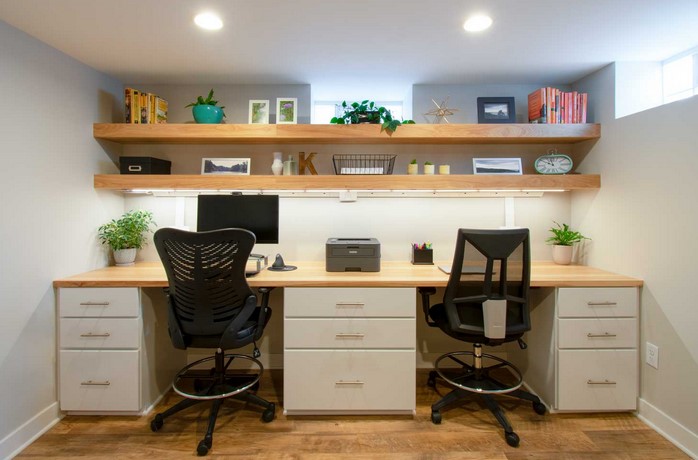
Built-In Office Desks for a Functional Home Workspace

In today’s world, where remote work and freelancing have become increasingly common, creating a functional and organized home workspace is more important than ever. One of the most effective ways to achieve this is by investing in built-in office desks. These custom-designed desks are not only space-efficient but can also seamlessly blend into your home’s aesthetic while providing ample functionality. Whether you’re working from home full-time or just need a dedicated space for occasional tasks, a built-in office desk can transform your workspace into an area that promotes productivity, organization, and comfort. This article explores the many benefits of built-in office desks, how to design the perfect setup, and tips for maintaining a clutter-free and efficient workspace.

1. The Benefits of Built-In Office Desks

A built-in office desk offers numerous advantages over traditional freestanding desks, especially when considering the unique needs of a home workspace. From maximizing space to offering custom storage options, a built-in desk can be designed to fit your exact specifications.

Maximizing Space

The most obvious benefit of a built-in office desk is its ability to maximize space. Unlike traditional desks, which often take up a significant amount of floor space and require extra room for surrounding furniture, a built-in desk can be tailored to fit into smaller or oddly-shaped areas. This is particularly beneficial for those with limited square footage, such as apartment dwellers or individuals who want to create an office in a corner of their living room or bedroom.

A built-in desk can also be integrated into existing architectural features such as alcoves, bay windows, or even under stairs, ensuring that every inch of space is used effectively without overcrowding the room.

Custom Storage Solutions

Another significant advantage of a built-in office desk is the opportunity for custom storage solutions. With built-in desks, you can design compartments, drawers, shelves, and filing cabinets specifically suited to your workflow. This level of customization allows you to keep your work tools, paperwork, and supplies organized and easily accessible, helping you maintain a tidy and efficient workspace.

For instance, if you often work with paperwork or files, a built-in desk can include integrated filing systems and drawers for easy storage. If you have multiple devices, such as a laptop, printer, and scanner, you can create designated spaces for each, reducing clutter and ensuring that everything has its place.

Aesthetic Appeal

While function is paramount when designing a home office, aesthetic considerations are just as important. Built-in office desks offer a seamless look that can be tailored to match your home’s interior design. Whether you prefer a modern, minimalist look or a more traditional style, a built-in desk can be crafted from a variety of materials, such as wood, metal, or glass, and can be finished in a way that complements your home’s décor.

Additionally, because built-in desks are customized, you can choose the exact dimensions, colors, and finishes to create a cohesive, sophisticated workspace that feels like a natural extension of your home. This is especially important for individuals who want their office space to blend effortlessly into other parts of the home without disrupting the overall design.

Durability and Longevity

Another advantage of built-in office desks is their durability. These desks are often constructed from high-quality materials, such as hardwood or engineered wood, and are designed to be more robust than traditional freestanding desks. Since they are integrated into the structure of your home, built-in desks tend to last longer and are less likely to become unstable or wear down over time.

Whether you’re looking for a desk that can withstand heavy daily use or one that offers a permanent, built-in solution, these desks are a great investment for long-term functionality and resilience.

2. Designing the Perfect Built-In Office Desk

When designing a built-in office desk, it’s important to consider both your functional needs and the overall layout of your home. Proper planning can ensure that your desk provides maximum efficiency without compromising comfort or style. Here are some key considerations to keep in mind when designing your ideal workspace:

Choosing the Right Location

The first step in designing your built-in office desk is determining the most appropriate location in your home. If you’re limited on space, consider utilizing underutilized areas, such as an alcove, hallway, or empty corner. For larger homes, you might have the option of transforming a spare room into a dedicated office space.

Once you’ve identified the ideal location, think about factors like natural light and privacy. Ideally, your desk should be placed near a window to take advantage of natural light, but not so close that you’re distracted by outdoor activity. If privacy is a concern, you can add dividers or screens to create a more secluded workspace.

Customizing Storage and Features

As mentioned earlier, one of the biggest advantages of a built-in office desk is the ability to incorporate custom storage. When designing your desk, think about the types of items you need to store and organize. For example:

  • File storage: Consider adding drawers or cabinets for filing documents.
  • Cable management: Plan for cable access points and management solutions to keep cords tidy and out of sight.
  • Task lighting: Incorporate built-in lighting, such as under-shelf lights or a desk lamp, to ensure your workspace is well-lit.
  • Ergonomic design: Ensure the desk is at the correct height to promote a healthy working posture, and consider adding built-in keyboard trays or adjustable components for better ergonomics.

By customizing your desk layout to your specific needs, you can create a workspace that enhances productivity and comfort.

Materials and Style

The materials you choose for your built-in desk will play a significant role in both its functionality and appearance. Wood is a popular option for built-in desks, as it offers a timeless and versatile look that complements many home styles. For a modern aesthetic, you might opt for sleek metal finishes or glass accents. Additionally, choosing materials that are easy to clean and maintain will help ensure your desk stays in good condition over time.

When selecting materials, be sure to consider factors like durability, ease of cleaning, and how the desk will fit into the overall design of your home. A well-chosen desk can seamlessly blend with your interior décor, providing both form and function.

3. Tips for Maintaining an Organized and Efficient Workspace

Having a built-in office desk is just the beginning. To truly maximize its potential, it’s important to maintain a clutter-free and organized workspace. Here are a few tips to help you keep your desk neat and functional:

Declutter Regularly

Even with the most organized desk, clutter can accumulate over time. Take time each day or week to clear unnecessary items from your desk. Keep only the essentials, such as your computer, notepads, pens, and any ongoing projects. By keeping your desk tidy, you’ll not only create a more productive work environment but also make it easier to find what you need when you need it.

Utilize Vertical Space

Built-in office desks often include shelves or cabinets, but don’t forget to take advantage of vertical space. By adding shelves above or around your desk, you can store books, files, and other items without taking up valuable desk space. This can help keep your workspace more organized while also giving you extra storage for items you don’t use every day.

Implement Digital Organization

In addition to physical organization, consider implementing digital organizational tools as well. Use cloud storage, task management apps, and other digital tools to keep your work files organized and easily accessible. This reduces the amount of physical paperwork you need on your desk and streamlines your workflow.

Personalize Your Space

Finally, adding personal touches to your built-in office desk can help make the space feel more comfortable and inviting. Consider adding decorative elements like plants, artwork, or family photos. A personalized workspace can improve your mood and boost productivity, making it a place where you genuinely enjoy working.

Investing in a built-in office desk can dramatically improve the functionality and efficiency of your home workspace. These desks provide a custom solution for maximizing space, organizing your belongings, and enhancing your home’s aesthetic appeal. Whether you’re creating a compact work nook or a dedicated office, built-in desks can be designed to suit your exact needs and preferences. By considering factors like location, storage, materials, and organization, you can design a workspace that promotes comfort, productivity, and style. With the right planning and execution, your built-in office desk will serve as the cornerstone of your ideal home office for years to come.

Wall-Mounted Desks: Perfect for Small Home Offices

Source:https://www.thespruce.com

In today’s modern world, where many individuals work remotely or freelance, creating a productive and efficient home office is more important than ever. However, limited space in apartments or smaller homes can make it difficult to design an office that promotes focus and organization. This is where wall-mounted desks come into play. These innovative, space-saving furniture pieces are ideal for small home offices, offering functionality without taking up precious floor space. In this article, we’ll explore the benefits of wall-mounted desks, the various styles available, and how to make the most of this versatile solution for your home office.

Why Choose Wall-Mounted Desks?

Space-Saving Solution for Small Areas

One of the most significant advantages of wall-mounted desks is their ability to save space. Traditional desks can be bulky, requiring ample floor space and often overwhelming small rooms. Wall-mounted desks, however, free up valuable floor area by attaching directly to the wall. This allows you to maximize your room’s functionality without feeling cramped or cluttered.

A wall-mounted desk creates an open and airy environment, making small rooms feel larger and more efficient. The lack of legs also makes it easier to clean underneath, giving your space a more organized, polished appearance. Whether you’re working in a tiny nook or a room with multiple purposes, a wall-mounted desk can fit into any configuration and adapt to your space.

Versatility and Customization

Another benefit of wall-mounted desks is their versatility. These desks are available in a wide variety of designs, from minimalist floating desks to larger, more functional desks with built-in storage. You can find wall-mounted desks with drawers, shelves, and even foldable components that allow for flexible use of your space. For example, if you’re only using the desk occasionally, a foldable or retractable wall-mounted desk might be perfect, as you can simply fold it away when not in use.

Additionally, wall-mounted desks come in different materials, such as wood, metal, or even glass, allowing you to select the one that best complements your existing decor. Whether you’re going for a sleek modern look or a more rustic aesthetic, there is a wall-mounted desk style to match your vision.

Enhanced Ergonomics

A well-designed wall-mounted desk can also contribute to better ergonomics in your workspace. Since these desks are attached to the wall at customizable heights, you can adjust the desk to your ideal sitting or standing position, promoting better posture and reducing strain on your back and neck. Many wall-mounted desks also have adjustable components, such as extendable arms for monitors or keyboard trays, ensuring you can set up your workspace exactly how you need it.

Types of Wall-Mounted Desks

1. Floating Desks

Floating wall-mounted desks are one of the most popular choices for small home offices due to their clean, minimalist look. These desks appear to “float” because they do not have any visible legs. Instead, they are mounted directly to the wall using sturdy brackets or supports that hold the weight of the desk.

  • Pros: Floating desks offer a modern, sleek aesthetic and are ideal for small spaces because they occupy minimal visual space. Their open design creates an airy feel, making them perfect for rooms with limited floor space.
  • Cons: While floating desks are stylish and functional, they typically do not offer much in terms of built-in storage, making them less ideal for individuals who need to store office supplies, papers, or equipment.

2. Fold-Down Desks

Fold-down wall-mounted desks are perfect for those who need a work surface occasionally but don’t want to sacrifice space when not using the desk. These desks can be folded up against the wall when not in use, which is ideal for multi-purpose rooms or areas where space is at a premium.

  • Pros: Fold-down desks can be folded flat against the wall, completely out of sight when not in use. They are highly adaptable and can be installed in places where a traditional desk would not fit, such as in hallways, kitchens, or guest rooms.
  • Cons: While fold-down desks save space, they may not provide as much workspace or storage as more permanent wall-mounted desks. Additionally, they may not be as sturdy or durable as other desk types.

3. Wall-Mounted Desks with Storage

For those who need a more functional office setup, wall-mounted desks with built-in storage are an excellent choice. These desks often include shelves, drawers, or cabinets for storing office supplies, files, and even a printer. The storage options help to keep your workspace organized and reduce clutter, which is particularly helpful in a small home office where every inch of space counts.

  • Pros: These desks offer both workspace and storage in a compact design, making them ideal for people who need to keep essential items within arm’s reach. They often include thoughtful features like hidden compartments, cable management systems, and adjustable shelves.
  • Cons: Wall-mounted desks with storage can be more expensive and may require more installation time due to their complexity. Additionally, they may take up more space than simpler designs, though they still remain a great option for organizing a small office.

4. Standing Desks

Wall-mounted standing desks are an increasingly popular choice for those who want to alternate between sitting and standing while working. These desks are mounted at a height that allows you to work while standing, helping to reduce the risks associated with prolonged sitting, such as back pain and poor circulation.

  • Pros: Standing desks promote better posture and reduce the negative effects of sitting for long periods. Many wall-mounted standing desks are adjustable, allowing you to switch between sitting and standing positions with ease.
  • Cons: Standing desks require enough wall space to accommodate the height adjustment mechanisms. They may also be less comfortable for people who prefer sitting for long stretches, as standing for extended periods can be tiring without proper ergonomic adjustments.

How to Choose the Right Wall-Mounted Desk for Your Office

Consider Your Space and Layout

Before purchasing a wall-mounted desk, carefully evaluate your available space. Measure the wall area where you plan to install the desk and consider the desk’s dimensions to ensure it fits comfortably. Floating desks work well in smaller rooms, while fold-down desks are ideal for tight spaces that may need to double as a guest room or lounge area. Wall-mounted desks with storage are great for larger spaces where you need more organization.

Determine Your Needs

Think about how you use your home office. Do you need extra storage for office supplies? Do you prefer to stand while working, or do you need a large surface for a computer and other equipment? Understanding your needs will help guide your decision, ensuring that the desk you choose supports your work habits and enhances your productivity.

Material and Design

The material and design of the wall-mounted desk should align with your home’s aesthetic. If your home office has a modern vibe, a sleek metal or glass desk might be the perfect fit. For a more rustic or cozy feel, a wooden desk might be better suited. Ensure that the desk material is durable enough to handle the weight of your equipment.

Wall-mounted desks are an excellent solution for creating a functional, stylish, and space-efficient home office. They offer a variety of benefits, including space-saving designs, enhanced ergonomics, and customizable features that can fit any home’s unique needs. Whether you choose a floating desk, fold-down option, or a desk with built-in storage, there’s a wall-mounted desk to suit every space and work style. By selecting the right desk, you can create a comfortable and productive home office environment, even in the smallest of spaces.

Compact Desk Layouts for Small Home Offices

Source : https://www.thespruce.com

In today’s world, more and more individuals are working from home, turning small spaces into functional work areas. A key element of any home office is the desk, and in smaller spaces, maximizing efficiency while maintaining a clean, organized environment is essential. Compact desk layouts have become a popular choice for those who need a workspace that is both practical and space-saving. Whether you have a tiny nook or an entire room to dedicate to work, a well-planned compact desk layout can help you create a functional and stylish office. This article will explore different compact desk layouts and how to design your small home office for maximum productivity and comfort.

The Benefits of Compact Desk Layouts

Compact desk layouts are designed to optimize small spaces, ensuring that you have everything you need without the clutter. One of the biggest challenges of a small home office is managing the limited square footage while still having enough room to work comfortably. A well-thought-out compact desk layout can provide several advantages for home office users:

1. Maximized Use of Space

In small spaces, every inch counts. Compact desk layouts are designed to make the best use of available space without overwhelming the room. A compact desk layout often incorporates multi-functional furniture pieces, such as desks with built-in storage or shelves, which can help you organize work materials and reduce the need for additional furniture. Whether you’re working in a corner or along a wall, a space-efficient desk layout ensures that the office feels organized and functional.

2. Increased Productivity

A clutter-free, well-organized workspace can have a positive impact on productivity. By creating a compact desk layout that minimizes distractions and promotes ease of movement, you are better equipped to focus on your tasks. Compact desks often encourage a minimalist approach, reducing visual clutter and promoting a streamlined, clean environment where you can concentrate fully on your work.

3. Improved Aesthetics

Compact desks are available in a wide variety of styles, from sleek modern designs to more traditional options. A minimalist approach not only helps save space but also enhances the overall aesthetic of your home office. Choosing furniture that fits the style and décor of your home will allow you to create a harmonious work environment that blends seamlessly with the rest of your home’s design. A well-organized, stylish desk layout can contribute to an overall sense of calm and professionalism in your workspace.

Types of Compact Desk Layouts

When designing a small home office, it is important to consider different desk layouts that can work well within a limited space. The layout should be practical, stylish, and tailored to your specific work needs. Here are some popular compact desk layouts to consider for small home offices:

1. Corner Desk Layout

One of the most effective ways to maximize space in a small home office is by utilizing a corner desk layout. By placing the desk in the corner of the room, you take advantage of unused wall space while freeing up the center of the room. Corner desks are available in L-shaped and triangular designs, making them ideal for creating a cozy, efficient workspace without encroaching on the rest of the room. The compact nature of corner desks helps you stay organized while offering enough surface area to work comfortably, even if you need to spread out documents or use multiple devices.

2. Wall-Mounted Desk Layout

For those who need to save floor space entirely, a wall-mounted desk layout is a great solution. Wall-mounted desks are sleek and minimal, designed to be attached to the wall with no legs taking up valuable floor space. These desks are perfect for creating a clean, modern aesthetic and can be equipped with floating shelves to store office supplies, files, or books. Wall-mounted desks are especially useful in rooms where floor space is at a premium and provide a space-saving solution while still offering enough room to work.

3. Fold-Out or Foldable Desk Layout

A fold-out or foldable desk is a perfect option for extremely small spaces or for people who need to have a desk for occasional use. These desks can be mounted on a wall or placed against a flat surface and folded up when not in use. This design allows you to reclaim your space when the desk is not needed, making it ideal for those who don’t work from home full-time or who only need a desk for short-term tasks. Foldable desks come in a range of sizes, from compact models that fold flat against the wall to larger, more functional desks that can be opened up to create additional workspace when needed.

4. Compact Executive Desk Layout

While executive desks are often seen as large, imposing pieces of furniture, compact executive desks provide the same professional functionality in a smaller package. These desks are typically designed with built-in storage, such as drawers and compartments, to keep everything organized without taking up additional space. Compact executive desks can be placed against a wall or positioned centrally in the room, offering both a sophisticated design and a practical workspace. For individuals who need to balance work with meetings or video calls, a compact executive desk layout offers a professional look without overwhelming the room.

Essential Considerations for Small Home Offices

When designing a compact desk layout for your home office, there are several factors to consider to ensure that the space is both functional and comfortable. These considerations will help you create a workspace that enhances your productivity and fits within the constraints of your space:

1. Ergonomics

Even in a small space, ergonomics should be a top priority. A desk that is too high or too low can lead to discomfort and strain, especially if you’re spending long hours at your workstation. Look for a desk that provides enough surface area for your computer and other essentials, while also being adjustable to ensure proper posture. Additionally, ergonomic office chairs and keyboard/mouse setups are essential for maintaining comfort during long work sessions.

2. Storage Solutions

Compact desk layouts often incorporate built-in storage, but in a small office, additional storage options may be necessary. Consider vertical storage, such as wall-mounted shelves or hanging organizers, to keep your office supplies and documents within reach while keeping your desk surface clear. A clean and organized workspace will help you stay focused and efficient, so be sure to incorporate storage that suits your needs.

3. Lighting

Proper lighting is crucial in any office setting. In small home offices, desk lamps or overhead lighting that doesn’t take up much space can help improve visibility and reduce eye strain. Consider a desk with built-in lighting or opt for an adjustable desk lamp that allows you to focus light directly on your workspace.

A well-designed compact desk layout can make a world of difference in a small home office, allowing you to create a functional and comfortable workspace even in limited areas. Whether you choose a corner desk, wall-mounted desk, or foldable option, the right layout will help you maximize the space and stay organized. By considering factors such as ergonomics, storage, and lighting, you can build an efficient office that supports your work style and enhances your productivity. With a little creativity and thoughtful design, small spaces can be transformed into powerful, efficient work environments that meet all your professional needs.