Solar-Powered Pool Heaters: Sustainable Heating for Your Pool

Source:https://www.energy.gov

When it comes to extending your pool season and enjoying warm water all year round, solar-powered pool heaters present an eco-friendly and cost-effective solution. As energy costs continue to rise and environmental concerns become more pressing, many pool owners are turning to solar-powered systems to maintain a comfortable water temperature without the hefty utility bills. Solar pool heating systems harness the power of the sun to heat your pool, making them an ideal choice for those looking to reduce their carbon footprint while enjoying consistent warmth in their pools. In this article, we’ll explore how solar-powered pool heaters work, their benefits, and why they’re becoming an increasingly popular choice for sustainable pool heating.

1. How Solar-Powered Pool Heaters Work

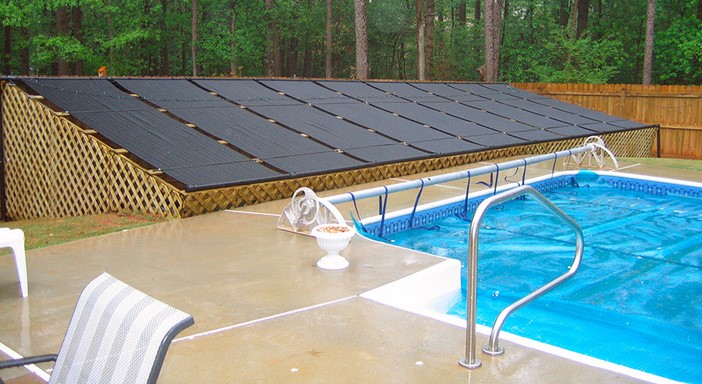
Solar-powered pool heaters are designed to take advantage of the sun’s energy to heat your pool water. The system works by circulating water through solar collectors—large panels or tubes—where the water is heated by the sun before being returned to the pool. This process is simple, efficient, and environmentally friendly, relying on renewable energy instead of electricity or gas to generate heat. Here’s a breakdown of how it works:

Components of a Solar Pool Heating System

A solar-powered pool heating system consists of several key components:

  • Solar Collectors: These are the panels or tubes that absorb sunlight and transfer heat to the water. The most common types are flat-plate collectors or evacuated tube collectors. Flat-plate collectors are large panels that sit on your roof or another sunny area, while evacuated tube collectors are cylindrical and more efficient at collecting sunlight.
  • Pump: The pump circulates water from the pool through the solar collectors. The water is typically filtered before it enters the system to ensure that debris doesn’t clog the collectors.
  • Flow Control Valve: This valve helps regulate the flow of water through the system, ensuring that the water stays at an optimal temperature before it returns to the pool.
  • Controller: A controller unit monitors the temperature of both the pool water and the water in the solar collectors. It determines when the system should activate or shut down, ensuring efficient use of the solar energy.
  • Storage Tank (Optional): Some systems include a storage tank, which can be used to store heated water for later use, ensuring that the pool remains warm during cloudy days or at night.

The Heating Process

The water from the pool is pumped into the solar collectors, where it flows through the tubes or panels. These collectors are typically installed on a roof, deck, or a sunny spot in your yard, where they can absorb maximum sunlight. As the water passes through the collectors, the sun’s energy heats it. The heated water is then returned to the pool, raising the overall temperature of the water.

The process continues as long as the sun is shining, with the system automatically shutting off once the desired temperature is reached. On cloudy or rainy days, the system may not heat the water as effectively, but many systems include a backup heating option (such as gas or electric) to maintain temperature when solar energy is insufficient.

2. The Benefits of Solar-Powered Pool Heaters

There are numerous benefits to installing a solar-powered pool heater. These systems offer significant cost savings, environmental advantages, and enhanced comfort for pool owners. Below are some of the key benefits:

1. Energy Efficiency and Cost Savings

One of the biggest advantages of solar-powered pool heaters is the reduction in energy costs. Unlike traditional gas or electric heaters that require an external power source, solar heaters rely entirely on renewable solar energy, which is free. As a result, once installed, your operational costs are minimal, making it a highly cost-effective option in the long term.

While the initial installation cost of a solar heating system can be higher than that of conventional heaters, the savings on energy bills can quickly make up for the upfront cost. Most pool owners find that their solar-powered pool heater pays for itself within a few years due to the elimination of energy costs.

2. Environmental Sustainability

Solar-powered pool heaters are an eco-friendly alternative to traditional pool heating methods. By using the sun’s renewable energy, you reduce your reliance on fossil fuels, lowering your carbon footprint and contributing to a greener planet. Unlike gas heaters that emit greenhouse gases or electric heaters that may draw power from non-renewable sources, solar heaters are clean, sustainable, and produce no harmful emissions.

Using solar energy for pool heating also helps reduce the environmental impact associated with electricity generation and fossil fuel extraction. By switching to a solar-powered system, pool owners can significantly reduce their overall energy consumption and help mitigate climate change.

3. Long-Lasting and Low Maintenance

Solar-powered pool heaters are built to last. With proper installation and regular maintenance, they can serve for 15-20 years or even longer. The systems have fewer moving parts compared to gas or electric heaters, reducing the likelihood of mechanical failure and the need for costly repairs.

Maintenance typically involves cleaning the collectors to ensure they are free of debris and checking for any signs of wear. This is relatively simple and inexpensive compared to the ongoing maintenance required for gas or electric heaters, which often require professional servicing.

4. Consistent Pool Heating

Solar-powered pool heaters can provide a steady, consistent temperature for your pool, especially during sunny days when solar energy is abundant. The system works efficiently to maintain a comfortable pool temperature without the fluctuations often associated with traditional heating methods. On particularly sunny days, solar pool heaters can even provide excess heat, allowing you to enjoy a warm swim late into the season.

In addition, many solar pool heating systems are designed to work in conjunction with automatic pool covers, helping retain the heat overnight or during cooler weather. This combination ensures that the pool stays at the optimal temperature with minimal energy loss.

3. Factors to Consider When Choosing Solar-Powered Pool Heaters

While solar-powered pool heaters offer many advantages, it’s important to consider several factors to ensure you select the right system for your pool. Here are a few things to keep in mind when deciding on a solar pool heater:

1. Size and Pool Type

The size of your pool is an essential factor in choosing a solar heater. Larger pools will require larger or more solar collectors to heat the water effectively. It’s important to work with a professional to calculate the appropriate collector area needed for your pool. A general guideline is that the solar collector area should be equal to about 50% to 100% of the surface area of your pool.

Additionally, the type of pool you have—whether in-ground or above-ground—can affect the installation and system requirements. In-ground pools typically need larger systems due to their greater water volume, while above-ground pools may require smaller setups.

2. Climate and Location

Your geographic location and local climate play a significant role in how effective a solar-powered pool heater will be. Areas with abundant sunlight, such as those in the southern United States or tropical climates, are ideal for solar pool heating systems. If you live in a region with frequent cloud cover or long winters, you might need to supplement the solar system with a backup heating option, such as gas or electric heating.

3. Roof Space and Installation Considerations

Since solar collectors are typically mounted on the roof, it’s important to assess the available roof space and its orientation to the sun. The collectors should be installed in an area that receives maximum sunlight throughout the day, ideally facing south for optimal efficiency.

It’s also crucial to consider the structural integrity of your roof, especially if you’re installing large or multiple solar panels. A professional installer will evaluate your roof and determine the best configuration for your system.

Incorporating solar-powered pool heaters into your backyard is an excellent way to achieve sustainable, cost-effective heating for your pool. By harnessing the power of the sun, you can enjoy warm water year-round without worrying about high energy bills or environmental impact. With minimal maintenance, long-lasting durability, and impressive energy savings, solar-powered pool heaters offer a practical and eco-friendly solution for any pool owner. As renewable energy continues to grow in popularity, solar pool heaters stand out as an ideal choice for those looking to combine comfort, efficiency, and sustainability in their pool heating system.

Outdoor Garden Arches: Add Elegance and Charm to Your Yard

Source:https://classicnursery.com

If you’re looking for a simple yet effective way to elevate the look of your garden, outdoor garden arches might be the perfect solution. These charming structures not only add a touch of elegance to your outdoor space but also serve as a beautiful focal point. Whether used to frame a walkway, support climbing plants, or create a serene entryway, garden arches can transform your yard into a picturesque retreat. In this article, we’ll explore the different types of outdoor garden arches, their benefits, and how to choose the right one for your landscape design.

1. The Beauty and Functionality of Outdoor Garden Arches

An outdoor garden arch is more than just a decorative piece. It’s a versatile addition to your garden that enhances both the aesthetic appeal and functionality of your outdoor space. By incorporating a garden arch, you create an inviting entrance or provide a structural element that supports the growth of climbing plants. Here are some of the key reasons why garden arches are so popular:

Aesthetic Appeal

The beauty of an outdoor garden arch lies in its simplicity and the way it blends into the natural environment. Whether made of wood, metal, or other materials, garden arches create a sophisticated visual element that adds depth and structure to your yard. As they are typically positioned at the entrance to a garden, pathway, or patio, they serve as an elegant frame for the scenery, inviting guests to step into a tranquil space. With the right design, garden arches can evoke a sense of romance or whimsy, making them perfect for a wide range of garden styles—whether traditional, contemporary, or rustic.

In addition, many arches are designed to be adorned with climbing plants such as roses, ivy, or wisteria, adding layers of texture and color throughout the seasons. The mix of natural elements with the structural arch creates a stunning visual contrast that can turn any part of your garden into a focal point.

Supporting Growth and Privacy

Garden arches also offer practical benefits, particularly when it comes to supporting climbing plants. As vines and flowers grow up the structure, they create a lush, green canopy or wall that adds privacy to certain areas of your yard. This is especially useful if you have a garden near a neighbor’s property or wish to section off specific areas for personal use, like a cozy seating nook or a garden retreat. Climbing plants like honeysuckle, jasmine, and clematis thrive when supported by garden arches, providing both beauty and functionality in a single design.

In addition, garden arches can guide the growth of plants in a way that promotes healthier blooms. By directing vines upward and across the arch, you create more space for the plants to spread out without overwhelming other parts of your garden. This helps maintain a well-organized and tidy appearance, allowing your outdoor space to look more manicured and appealing.

Creating Pathways and Entries

One of the most common uses for outdoor garden arches is to create inviting pathways and entryways. Whether placed over a gate, walkway, or driveway, an arch can serve as a dramatic entrance that beckons visitors to explore your garden. By framing the passageway, the arch defines the transition between different sections of your outdoor space, adding an element of surprise and elegance.

In some cases, garden arches can also be used to create “secret” gardens or outdoor rooms, where the arch serves as the portal to a secluded area. This is particularly effective for larger gardens, where you want to lead visitors down winding paths to discover hidden treasures, like a secluded bench or a pond.

2. Choosing the Right Outdoor Garden Arch for Your Yard

When it comes to selecting the perfect outdoor garden arch for your space, there are several factors to consider. These include the material of the arch, its design, the overall style of your garden, and how you plan to use the arch. Here are some things to keep in mind when choosing the ideal garden arch for your yard:

Materials: Wood, Metal, or Vinyl?

The material of the garden arch plays a significant role in both its appearance and durability. Here’s a breakdown of the most popular options:

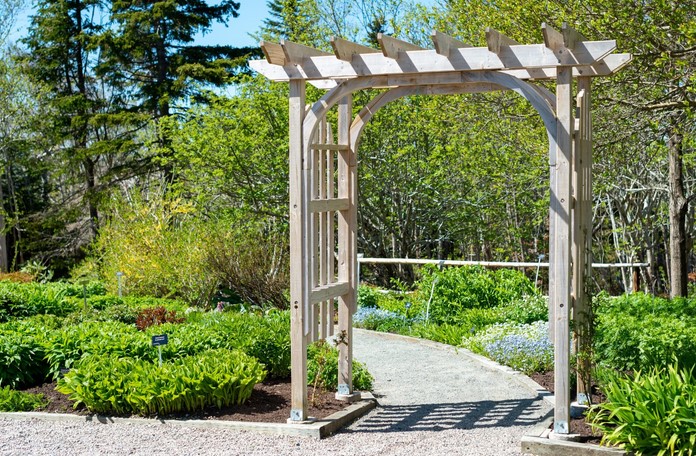
  • Wood: Wooden arches, typically made from cedar or redwood, offer a classic, rustic appearance that blends well with natural surroundings. Wood can be treated with stains or paints to complement your garden’s color palette, and it works particularly well in traditional, cottage-style, or Mediterranean gardens. However, wood requires regular maintenance, such as sealing or staining, to protect it from the elements.
  • Metal: Metal garden arches, often made from wrought iron or steel, offer a more elegant and contemporary feel. They tend to be more durable and require less maintenance than wood. The sturdy construction of metal arches makes them ideal for supporting heavy climbing plants. They are also perfect for gardens with a more formal, structured design, as their sleek lines and ornate details add a sense of refinement.
  • Vinyl: Vinyl garden arches are lightweight, low-maintenance, and resistant to the elements. They typically come in a variety of colors and can mimic the look of wood or metal. While they may not have the same timeless appeal as wooden or metal arches, vinyl is an excellent option if you prefer a more modern, hassle-free choice. It’s also a great option if you’re on a budget.

Design and Style

The design of the garden arch should complement the overall style of your yard. Arches come in various designs, ranging from simple, minimalist arches to more elaborate, ornate models with decorative scrollwork. Some popular styles include:

  • Traditional Arches: These arches have clean lines and simple structures, often with rounded or pointed tops. They are versatile and can fit into virtually any garden style.
  • Romantic Arches: Featuring intricate metalwork or wood lattice, these arches can add a touch of romance to your garden, particularly when draped with climbing roses or vines.
  • Modern Arches: Sleek, geometric arches made from metal or vinyl are perfect for contemporary gardens. These arches often have clean lines and can make a bold statement as a centerpiece.

Size and Placement

Before purchasing a garden arch, it’s important to consider the size of the structure in relation to your yard. Larger arches work well in expansive gardens and can serve as dramatic focal points, while smaller arches are better suited for smaller spaces. It’s also essential to think about where you plan to place the arch. Will it be used as an entryway, or will it frame a pathway? Choosing the right placement ensures that your arch has the desired effect and enhances the overall flow of your garden design.

3. Installing and Maintaining Your Outdoor Garden Arch

Installing an outdoor garden arch is a relatively straightforward process, but it does require some planning. Here’s a quick guide to help you get started:

Installation

  1. Prepare the Ground: Choose a level location for the arch, ensuring that the area is free of obstructions. Mark where the posts will go and dig holes for the foundation.
  2. Set the Posts: If your arch comes with posts, make sure they are securely anchored in the ground. For stability, consider using concrete or gravel to set the posts.
  3. Attach the Arch: Once the posts are in place, attach the arch to the posts according to the manufacturer’s instructions. This step may involve securing bolts or screws to ensure the structure is stable.
  4. Add Climbing Plants: After installation, you can start training climbing plants to grow on the arch. Use twine or plant ties to encourage plants like roses, wisteria, or clematis to climb the structure.

Maintenance

Maintaining your garden arch depends on the material you’ve chosen. Wooden arches may need periodic staining or sealing to protect them from rot, while metal arches may require rust treatment. Vinyl arches, being low-maintenance, only need occasional cleaning with soapy water to keep them looking fresh.

It’s also essential to check the stability of the arch regularly, especially after heavy storms or extreme weather conditions. Make sure the structure remains anchored and secure to avoid any accidents.

Outdoor garden arches are an excellent way to add elegance, charm, and functionality to your yard. Whether you’re looking to create a beautiful focal point, enhance the growth of your climbing plants, or simply frame a pathway with style, outdoor garden arches can transform any space into a welcoming and visually stunning retreat. By choosing the right materials, design, and placement, you can ensure that your garden arch complements your outdoor living space for years to come. Whether you prefer a rustic wooden design, a sleek metal structure, or a maintenance-free vinyl option, there’s an outdoor garden arch that can bring your vision to life and enhance the beauty of your garden.

Understanding How a Telehealth Appointment Works

Telehealth appointments allow you to speak with a healthcare professional from home, using a phone, tablet, or computer. At our clinic in Queensland, we support people across the region and beyond by offering accessible medical care that combines both conventional and natural approaches. Our goal is to make telehealth feel simple and reassuring, especially if it’s your first time. We want each appointment to feel calm, steady, and personal, never rushed or overwhelming.

Horizon Clinic focuses on the person, not just the condition. Everyone brings their story, their pace, and their path: what they’ve tried, what hasn’t worked, and what they’re still learning about themselves. Some people come to us with symptoms they’ve had for some time. Others are just beginning to make sense of what’s happening in their body or mind. Some simply need space to talk things through.

Telehealth makes room for all of that. You can receive care without travelling, sitting in a waiting room, or trying to squeeze appointments into an already busy schedule. It’s care that meets you where you are – literally – wherever you happen to be that day.

What Is a Telehealth Appointment?

A telehealth appointment works much like a regular visit to a doctor, only it happens over video or a phone call. You sit down, talk about what’s been going on, and your doctor listens. They look at your medical history, ask questions to understand the full picture, and tailor their advice to you rather than giving a generic answer.

It’s still a real consultation, just one that happens in a space where you might feel more comfortable, whether that’s your kitchen table, your couch, or any spot where you can speak freely.

You might be wondering whether telehealth is as effective as an in-person consultation. It depends on what you need. For many health concerns, ongoing care, prescription management, sleep issues, stress, or general medical advice, telehealth offers the same level of professional attention as a visit to a clinic.

Telehealth can also make it easier to talk about personal or sensitive topics from a private, familiar space. Many people find that this helps them feel more open and at ease during the consultation.

How the Appointment Process Works

A telehealth consultation usually includes a few simple steps: booking, preparing, attending the call, and reviewing what comes next. Most people find the process straightforward after their first visit.

You book your appointment online, choose a time that works for you, and receive a confirmation. As the appointment approaches, you’ll get a message usually by email or text   with a secure link to join. When it’s time, you simply click the link.

Once the call begins, your doctor will talk with you about your symptoms, when they started, any medications you’re taking, and lifestyle factors that might be influencing your health. It’s a conversation aimed at understanding the bigger picture.

Appointments generally last about fifteen to thirty minutes, though the exact time depends on what you need to discuss.

When the call wraps up, your doctor will explain the next steps. That might include keeping track of your symptoms, adjusting your treatment, or planning a follow-up conversation. If medication or tests are needed, those can be arranged securely through telehealth.

What You Need to Prepare

Getting ready for your appointment can be simple. Choose a quiet, private space where you feel comfortable speaking, perhaps your bedroom, living room, or a home office. For video calls, make sure your camera, microphone, and internet connection are working. If you prefer a phone call, it’s even easier.

Some people like to note their symptoms, how long they’ve noticed them, or any changes they’ve observed. Writing down a few questions ahead of time can also help make sure you cover what matters most.

You’re welcome to have a family member or carer join the conversation if that helps you feel supported.

What Can Telehealth Support?

Telehealth can assist with a wide range of health concerns: long-term conditions, medication reviews, sleep difficulties, emotional stress, digestive issues, hormonal changes, ongoing pain, or simply feeling tired and unsure where to begin. It can also give you space to discuss things that have been quietly building in the background of daily life.

Because our clinic works with both conventional medicine and gentle natural therapies when appropriate, telehealth appointments can also help you look at your daily routine in a practical way. The idea is small, steady adjustments, not drastic changes.

Many people want to know whether natural treatments can be used alongside existing prescriptions. It’s an important question, and during your consultation, your doctor will explain what may be safe or helpful in your situation, where caution is needed, and where there may be room to try something new. The pace always follows your comfort.

Is Telehealth Right for Everyone?

Telehealth is helpful for many people, but there are times when an in-person examination is the better option. If your doctor feels a physical assessment is needed, they’ll explain why and guide you on what to do next.

If you’re unsure whether your condition can be managed through telehealth, your doctor will help you decide. They’ll always recommend the safest, most effective type of care.

Telehealth can be especially useful if you:

  • Have limited mobility or transport
  • Live in a regional or remote area
  • Prefer private, discreet conversations
  • Have a busy schedule and need flexible appointment times

The goal is to meet you where you are without asking you to rearrange your entire life around a clinic visit.

What Happens After the Appointment?

After your consultation, the doctor may provide a care plan, follow-up advice, medication guidance, or referrals if needed. You may also receive a summary by email.

Follow-up appointments are often suggested to review progress. Telehealth provides a surprisingly personal experience, without the need for a waiting room or a sense of urgency. The conversation flows at your own pace. You can pause, gather your thoughts, or describe how you’ve really been feeling, not just the short version you’d give in a clinic.

For those who find medical environments stressful, telehealth can help lower that barrier. Being in your space can make it easier to talk honestly about your health. Over time, these conversations create care plans that truly fit your routine, energy levels, and daily life.

Final Thoughts

Telehealth isn’t just a convenient alternative; it can create a calmer, more personal way to receive care. You’re still meeting with a qualified doctor; the only difference is that you do it in a space that helps you feel comfortable and heard.

At Horizon Clinic in Queensland, we aim to offer care that feels thoughtful and human. Whether you meet with us online or visit in person, our focus is the same: listening, understanding what’s going on for you, and working with you to move forward.

If you’re thinking about trying telehealth for the first time, know that it’s simple to get started and we’ll guide you through each step. You can learn more in our topic cluster on Understanding How a Telehealth Appointment Works, which offers a deeper look at the process and may help you feel more settled before your consultation.

Outdoor Sound Systems: Enhance Your Backyard Entertainment

Source:https://urbanoasiscontracting.com

When it comes to elevating your backyard entertainment experience, few things make as big of an impact as high-quality outdoor sound systems. Whether you’re hosting a summer barbecue, enjoying a quiet evening under the stars, or throwing a full-on garden party, having an exceptional sound system can transform the atmosphere and make your outdoor space feel like an extension of your living room. In this article, we’ll explore the benefits of outdoor sound systems, how to choose the right one for your needs, and the best options to consider for a truly immersive sound experience in your backyard.

1. Why You Should Invest in Outdoor Sound Systems

When you think of a perfect backyard, it’s easy to imagine the beautiful landscaping, the cozy seating arrangements, and the grill sizzling away. But what often takes the experience to the next level is the ability to enjoy music or other audio seamlessly. A high-quality outdoor sound system can significantly enhance your gatherings, providing clear and powerful sound without the hassle of lugging indoor speakers outside or dealing with poor acoustics.

Clear, High-Quality Sound

The most compelling reason to invest in an outdoor sound system is the improvement in sound quality. Outdoor spaces are typically more challenging to equip with sound than indoor rooms due to environmental factors like open space, wind, and background noise. A dedicated outdoor sound system is designed to overcome these challenges, offering crystal-clear audio that reaches every corner of your yard.

Whether you’re listening to music, watching movies, or hosting a gathering, outdoor sound systems provide a balanced, immersive sound experience. Unlike regular indoor speakers, these systems are built with weather-resistant materials, making them durable enough to withstand outdoor conditions while maintaining excellent audio performance.

Versatility and Convenience

Another advantage of outdoor sound systems is their versatility. Many modern systems are wireless, meaning you can place speakers wherever you want without worrying about tangled wires or the need for complex installation. With Bluetooth or Wi-Fi connectivity, you can easily connect your phone, tablet, or other devices to play your favorite playlists, podcasts, or radio stations.

Wireless systems also allow for easy expansion. If you start with a small system but later want to add more speakers or upgrade to a surround-sound setup, it’s typically a simple process. This flexibility means that your outdoor audio setup can grow with your needs and preferences over time.

Weatherproofing and Durability

Outdoor sound systems are specifically engineered to resist the elements. Whether it’s the heat of summer, the chill of fall, or the rain of spring, these systems are built to endure harsh weather conditions without compromising sound quality. Most outdoor speakers come with weather-resistant casings, UV-protected components, and rust-proof finishes to ensure longevity.

However, while the system itself may be weatherproof, it’s always a good idea to protect the speakers from extreme conditions when possible. Some systems even offer weatherproof covers or enclosures, adding an extra layer of protection against rain, dust, and debris.

2. How to Choose the Right Outdoor Sound System for Your Backyard

When selecting an outdoor sound system, there are several factors to consider in order to find the best fit for your space and entertainment needs. Here are some essential aspects to keep in mind:

Size and Layout of Your Outdoor Space

The size of your backyard plays a crucial role in determining the type and number of speakers you’ll need. Larger yards or open areas might require more powerful speakers or a multi-speaker setup to ensure the sound reaches every corner without distortion.

For smaller backyards, a single, high-quality speaker may suffice. However, if you’re dealing with a large patio, garden, or pool area, you’ll likely need multiple speakers or a more robust sound system to fill the space with clear, even sound.

Type of System: Wired vs. Wireless

One of the most important decisions you’ll make when choosing an outdoor sound system is whether to go with a wired or wireless setup. Both have their pros and cons:

  • Wireless Systems: These are more convenient and flexible, especially for smaller spaces or those who don’t want to deal with the hassle of running cables through their yard. Wireless outdoor sound systems often use Bluetooth or Wi-Fi to connect to your devices. However, you may experience limitations in terms of range, and wireless speakers may require regular charging or battery replacements.
  • Wired Systems: Wired systems are typically more reliable when it comes to sound quality because they don’t rely on a Wi-Fi or Bluetooth signal, which can sometimes interfere with audio performance. A wired system can also be more permanent, making it a good option for homeowners who want a long-term setup. However, installation can be more involved and may require professional assistance.

Sound Coverage and Audio Quality

When investing in an outdoor sound system, the quality of sound and coverage is paramount. Look for systems that offer high-fidelity sound with features like equalization settings, bass control, and wide dispersion to ensure the sound reaches every corner of your yard.

Consider the number of speakers you’ll need to achieve the best coverage. Some systems offer “satellite” speakers that can be placed around the yard for a more even distribution of sound, while others provide all-in-one units that cover a broad area.

3. Top Outdoor Sound System Options for Your Backyard

Now that you have a clear understanding of the factors involved in choosing the right outdoor sound system, let’s take a look at some of the top options currently available on the market.

1. Sonos Outdoor Speakers

Sonos is a well-known brand for indoor and outdoor audio systems. Their Sonos Outdoor Speakers are designed to provide high-quality, durable sound, perfect for outdoor spaces. These speakers are built with weather-resistant materials and are compatible with other Sonos products, so you can create a multi-zone audio system across your backyard. Their sleek design and excellent sound quality make them a popular choice for homeowners looking to enhance their outdoor entertainment setup.

2. Bose 251 Environmental Outdoor Speakers

Bose has long been synonymous with premium sound quality, and the Bose 251 Environmental Outdoor Speakers are no exception. Designed to withstand the elements, these speakers offer full-range sound and impressive bass response, even in larger outdoor areas. With their wide sound coverage and ability to resist moisture and UV damage, the Bose 251 speakers are an excellent choice for those looking to add an audiophile-grade experience to their backyard.

3. Polk Audio Atrium 4

If you’re looking for a budget-friendly yet reliable outdoor sound system, the Polk Audio Atrium 4 is a solid choice. These compact speakers provide excellent sound quality and are built to endure tough weather conditions. They are easy to install, and their sleek, understated design allows them to blend well with any outdoor space. The Atrium 4 speakers are perfect for smaller backyards or patios where you want to enjoy clear sound without breaking the bank.

4. Klipsch AWR-650-SM

For a more unique option, the Klipsch AWR-650-SM outdoor speakers double as faux rocks. These rock-shaped speakers blend seamlessly into your garden or landscape while providing powerful, clear sound. Their weather-resistant design and ability to deliver robust audio make them a standout option for homeowners who want an aesthetically pleasing and functional sound solution.

Outdoor sound systems are an excellent way to enhance your backyard entertainment, providing high-quality audio that can transform any gathering into a memorable event. Whether you’re hosting a lively party or simply relaxing outside, having a dedicated outdoor sound system ensures that you enjoy your music or movies in style. By considering the size of your space, the type of system you prefer, and the sound quality you need, you can find the perfect outdoor sound system to suit your backyard. With a little research and thoughtful planning, you can create an immersive audio experience that will elevate your outdoor living space for years to come.

Custom Outdoor Storage Sheds: Organize Your Backyard in Style

Source:https://betterbuiltusa.com

When it comes to organizing your outdoor space, custom outdoor storage sheds offer an effective, stylish, and durable solution. Whether you need to store gardening tools, outdoor furniture, or seasonal decorations, these sheds provide the ideal combination of functionality and aesthetics. Custom outdoor storage sheds not only cater to your specific needs but also add a touch of personalized design to your backyard. In this article, we will explore the benefits of custom outdoor storage sheds, how to choose the right one for your property, and the variety of options available to ensure you make the most of your outdoor space.

1. The Benefits of Custom Outdoor Storage Sheds

A well-designed outdoor storage shed can make a huge difference in how organized and functional your backyard is. Custom outdoor storage sheds, in particular, offer several distinct advantages over their pre-built counterparts. Here are some of the key benefits:

Tailored to Your Needs

The most obvious benefit of choosing a custom outdoor storage shed is the ability to design it to suit your exact needs. Whether you have a large garden and need plenty of room for tools, or you simply want a small, efficient space to store seasonal decor, custom sheds allow you to select the size, layout, and features that work best for your situation.

You can also choose from a wide range of materials, from traditional wood to more modern composite options, depending on your aesthetic preferences and budget. For instance, you may prefer the rustic charm of a wooden shed that blends seamlessly with your garden, or you might choose a low-maintenance, weather-resistant material like vinyl or metal for a more contemporary, long-lasting option.

Enhanced Curb Appeal

A well-crafted custom shed can enhance the overall appearance of your backyard. With the ability to choose materials, colors, and roof styles that complement your home’s exterior, a custom outdoor storage shed can become an attractive feature in your garden or yard. Many homeowners take advantage of the opportunity to design their shed in a way that matches their existing landscape, turning what might have been an eyesore into an aesthetically pleasing addition to their property.

Additionally, a custom design allows for creative touches such as windows, skylights, or even decorative trim that can make your storage shed stand out as a functional yet stylish piece of outdoor architecture.

Durability and Longevity

Custom sheds are often built with superior craftsmanship and high-quality materials that ensure they stand the test of time. This means you can expect a long-lasting storage solution that can withstand harsh weather conditions, from intense rain to heavy snow. Whether you live in a region with high humidity, strong winds, or extreme temperatures, a custom outdoor storage shed can be engineered to meet the unique challenges of your climate.

Moreover, these sheds are built to last and often come with warranties that provide peace of mind in the event of structural damage or defects. By investing in a custom-built storage shed, you’re ensuring that your outdoor storage solution will not only look great but will also endure for years to come.

2. Choosing the Right Custom Outdoor Storage Shed for Your Needs

Selecting the perfect custom outdoor storage shed requires careful consideration of your specific needs and preferences. There are a few key factors to keep in mind when choosing a shed that will serve you well for years to come.

Size and Capacity

The first step in choosing a custom outdoor storage shed is determining the size you need. Do you have a lot of equipment that needs to be stored? Or are you looking for something compact to hold just a few items? It’s important to accurately assess the amount of storage space required, as selecting the wrong size can lead to wasted space or overcrowding.

Keep in mind that custom sheds can be built in a variety of sizes and configurations. A larger shed might offer enough space for larger equipment like lawnmowers, bicycles, and tools, while a smaller shed might be perfect for storing gardening supplies and seasonal decor. Think about what you plan to store and how much space each item will require.

Material Selection

Another important consideration is the material used to construct your custom outdoor storage shed. There are several options available, each with its own set of advantages:

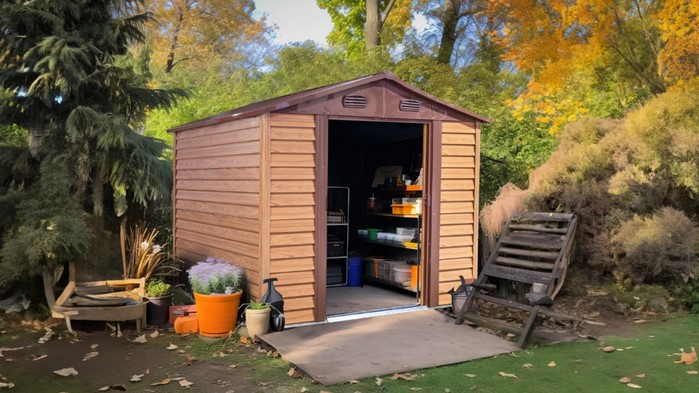
  • Wood: Classic and attractive, wooden sheds can be designed to match the aesthetic of your home. However, they may require more maintenance to keep them in good condition.
  • Vinyl: Low-maintenance and highly durable, vinyl sheds offer resistance to weather, pests, and rot. They can also be made in a range of colors to suit your style.
  • Metal: Metal sheds are highly durable and can withstand extreme weather conditions. They’re also typically fire-resistant and secure.
  • Composite: A blend of materials, composite sheds offer a balance between aesthetics and durability. They are low-maintenance and provide a natural look.

Choosing the right material for your shed is crucial to ensuring its longevity and that it suits the look you envision for your backyard.

Features and Accessories

Once you’ve settled on size and material, it’s time to think about the features and accessories that will make your shed as functional as possible. For example, you might opt for additional shelving, workbenches, or even electrical outlets if you plan to use the shed for hobbies or projects. Other features to consider include:

  • Windows or Skylights: To provide natural light and improve visibility inside the shed.
  • Double Doors or Sliding Doors: For easy access to larger items.
  • Ramp: To allow for easy storage of items with wheels, like lawnmowers or bicycles.

These thoughtful additions can make a big difference in how practical and easy to use your custom outdoor storage shed will be.

3. Installing and Maintaining Your Custom Outdoor Storage Shed

After selecting your ideal shed, the next step is installation and maintenance. Here’s a breakdown of what to expect:

Installation

Many companies that build custom outdoor storage sheds offer installation services to ensure that your shed is properly assembled and positioned. Some might even offer a DIY kit if you prefer to handle the installation yourself. However, professional installation can help avoid common issues such as uneven foundations or poor construction, which could affect the shed’s durability and performance.

Make sure the location you choose for the shed is level and free from obstructions. You should also take into account factors like sunlight, drainage, and wind direction, as these can impact the longevity of your shed.

Maintenance

Proper maintenance is key to ensuring that your shed remains in good condition for many years. Regularly check for signs of wear and tear, such as rust on metal sheds or rot on wooden structures. Clean your shed periodically, and address any issues promptly to avoid costly repairs down the line.

For wooden sheds, it’s recommended to apply a protective finish to prevent damage from the elements, while vinyl and metal sheds may require occasional cleaning to maintain their appearance.

Custom outdoor storage sheds are an excellent way to organize your backyard in style. By selecting a design that fits your personal needs and tastes, you can create a functional and attractive outdoor space that enhances the overall appeal of your home. From choosing the right materials and size to considering useful features and ensuring proper installation and maintenance, custom outdoor storage sheds provide a smart solution for homeowners looking to optimize their storage while maintaining a stylish exterior. With so many options available, it’s easy to find a shed that works perfectly for your outdoor storage needs, helping you make the most of your backyard space for years to come.