Custom Home Entryways: Design a Grand and Welcoming Entrance

Source:https://content.app-sources.com

The entryway of a home is more than just a passage; it is the first impression guests and residents experience when entering. A well-designed entryway sets the tone for the rest of the house, creating a welcoming atmosphere that invites exploration. Custom home entryways provide homeowners with the opportunity to tailor this important space to their personal taste and functional needs. By selecting unique materials, finishes, and design elements, you can craft an entrance that reflects your style while offering practicality and warmth. In this article, we will explore the benefits of custom home entryways, key design considerations, and how you can create a grand and inviting entrance that enhances your home’s curb appeal.

1. The Importance of Custom Home Entryways

When it comes to home design, the entryway serves as the focal point that provides both aesthetic appeal and functional purpose. Custom home entryways are essential for creating a seamless connection between the outside world and the comfort of your interior. Not only do they establish the first impression of your home, but they also provide an opportunity to showcase your personality and make a statement. Here’s why investing in a custom entryway can make a significant difference:

1.1 Curb Appeal and First Impressions

The entryway is the first thing people see when they approach your home, so it’s crucial to ensure that it stands out. A custom home entryway allows you to design an entrance that complements the architecture of your home while enhancing its overall curb appeal. Whether you prefer a classic, modern, or rustic look, a custom design can bring your vision to life. Thoughtful design elements, such as custom doors, lighting, or ornamental features, can elevate the appearance of your home from the outside and leave a lasting first impression.

1.2 Practical Functionality

While aesthetics are important, a custom home entryway also serves a practical purpose. It’s the space where you and your family transition from the outside world into the safety and comfort of your home. A well-designed entryway can provide convenient storage for shoes, coats, bags, and keys. By incorporating custom-built cabinetry or seating areas, you can create a space that is as functional as it is beautiful. Custom entryways allow you to optimize the layout for your specific needs, ensuring that every square inch of space is used effectively.

1.3 Personalization and Uniqueness

One of the key advantages of custom home entryways is the ability to personalize the design. Unlike off-the-shelf solutions, a custom entryway is made to reflect your style, preferences, and lifestyle. Whether you prefer a grand, opulent design with marble floors and intricate detailing or a more understated, minimalist entrance, custom designs offer limitless possibilities. This personalization also means that you can choose specific materials, colors, and finishes that harmonize with the rest of your home’s décor, creating a cohesive design from the outset.

2. Key Design Considerations for Custom Home Entryways

Designing a custom home entryway involves much more than choosing a door and adding a welcome mat. It’s about creating an inviting and functional space that reflects your unique taste and lifestyle. Here are some key design elements to consider when creating the perfect entryway:

2.1 Doors: The Focal Point of the Entryway

The door is arguably the most important feature of any custom home entryway. It serves as the main barrier between the outside world and the interior of your home. Choosing the right door is crucial for both aesthetic appeal and security. Custom doors can be made from a variety of materials, including solid wood, steel, or fiberglass, and can be designed with unique glass inserts, decorative panels, or custom hardware.

For a grand entrance, consider a double door or oversized door, which adds a dramatic effect and enhances the sense of scale in the space. A custom door allows you to select the perfect color, finish, and hardware to complement your home’s exterior and interior design. Don’t forget to factor in durability and energy efficiency—especially for front-facing doors that experience frequent exposure to the elements.

2.2 Lighting: Set the Mood with Thoughtful Illumination

Lighting plays a crucial role in both the functionality and ambiance of a custom home entryway. A well-lit entryway is essential for safety, especially if your home is in a poorly lit area. But lighting can also enhance the mood and tone of your entrance, adding warmth and inviting energy to the space.

Consider installing a statement light fixture, such as a chandelier or pendant light, to create a striking visual impact. Wall sconces on either side of the door can provide subtle, ambient lighting while enhancing the symmetry of the space. Additionally, accent lighting highlighting architectural features or artwork can add depth and interest to the entryway.

2.3 Flooring: Durable, Stylish, and Easy to Maintain

The flooring in your entryway sets the foundation for the rest of the design. Since entryways experience high traffic, it’s essential to choose materials that are durable, easy to clean, and complement your overall aesthetic. Popular flooring choices for custom home entryways include natural stone, hardwood, and tile.

For a luxurious touch, consider using marble or slate tiles, which offer both timeless beauty and resilience. Hardwood floors are a classic choice that adds warmth and texture to the space. If you want a more modern or eclectic look, consider mosaic tiles or concrete with custom patterns. Make sure the material you choose can withstand the wear and tear of high foot traffic and is easy to maintain, especially in areas prone to dirt and moisture.

2.4 Storage Solutions: Organize Your Entryway with Custom Features

A custom home entryway often doubles as a functional space for storing coats, shoes, bags, and other personal items. To keep the area neat and organized, consider incorporating built-in cabinetry or shelving into the design. Custom storage solutions, such as a bench with hidden compartments or a coat closet with adjustable shelving, can make the space more practical without sacrificing style.

For those with larger families or active lifestyles, mudroom-style storage can be integrated into the entryway design. Hooks for coats, cubbies for shoes, and a dedicated area for backpacks or mail can help keep the space tidy and organized. Custom cabinetry can be designed to blend seamlessly with the rest of the entryway design, ensuring a cohesive look while providing ample storage space.

2.5 Color Palette and Finishes: Set the Tone for Your Home

Choosing the right color palette and finishes for your custom home entryway is essential for creating a cohesive and inviting environment. Light, neutral colors, such as soft greys, whites, or warm beiges, can help brighten the space and create a feeling of openness. Darker colors, such as deep blues or charcoal greys, can add a sophisticated, dramatic effect.

For finishes, consider pairing natural materials like wood, stone, or metal with modern touches such as polished glass or sleek metal hardware. The finishes you choose should complement the rest of your home’s décor and create a seamless transition from the exterior to the interior.

3. Trends in Custom Home Entryway Design

The world of interior design is constantly evolving, and custom home entryways are no exception. To make sure your entryway feels modern and fresh, consider incorporating some of the latest design trends:

3.1 Minimalist and Clean Lines

A growing trend in custom home entryways is minimalism. Simple, clean lines and functional design elements are key to this style. Opt for sleek, modern doors with minimal detailing, paired with neutral colors and polished finishes. This streamlined approach creates a calm and clutter-free space that sets the tone for the rest of the home.

3.2 Incorporating Natural Elements

Natural materials such as wood, stone, and plants are making their way into entryway designs, adding a touch of warmth and organic beauty. Consider using reclaimed wood for the door frame, stone accents for the flooring, or incorporating a vertical garden or planters by the entrance. Natural elements can help bring a sense of tranquility to the space while enhancing the connection between the outdoors and your home.

3.3 Smart Home Integration

As homes become smarter, entryways are becoming more connected with technology. Smart door locks, automated lighting, and video intercom systems are becoming increasingly popular in custom entryway designs. These features not only add convenience but also enhance security, allowing you to control access to your home from your smartphone or voice assistant.

In conclusion, custom home entryways are an essential part of your home’s design that combine style, function, and personalization. By focusing on key design elements such as doors, lighting, flooring, and storage, you can create an entrance that reflects your unique taste and enhances the overall ambiance of your home. Whether you prefer a grand, opulent entrance or a sleek, minimalist design, a custom entryway sets the tone for what lies beyond and ensures that your home makes a lasting first impression. Investing in a well-designed entryway not only elevates the aesthetics of your home but also adds value, functionality, and comfort to your everyday life.

Smart Home Intercoms: Communicate with Ease and Security

Source:https://allservices4u.co.uk

In an age where technology is seamlessly integrated into nearly every aspect of our lives, smart home intercoms have emerged as a game-changer for communication and security within the home. These advanced systems provide a convenient and efficient way to stay connected with family members, visitors, and service personnel, all while adding an extra layer of security to your property. Smart home intercoms offer more than just the ability to communicate across rooms—they come with features that enhance the overall convenience and safety of your home. In this article, we’ll explore how smart home intercoms work, their key benefits, and how to incorporate them into your home to ensure ease of communication and heightened security.

1. Understanding Smart Home Intercoms

A smart home intercom is an advanced communication system that allows homeowners to communicate with others in and around their homes, often through audio and video capabilities. Unlike traditional intercoms, which typically function as standalone units, smart home intercoms integrate with your home’s Wi-Fi network, smartphones, and other smart devices, making them far more versatile and functional.

Key Features of Smart Home Intercoms

  1. Two-Way Communication: Smart home intercoms facilitate clear and crisp two-way communication. Whether you’re in the kitchen and someone is at the front door or in the basement, you can easily communicate with other family members, guests, or service providers.
  2. Video Capabilities: Many modern intercoms are equipped with video cameras, allowing you to not only hear but also see who is at your door or in a different room. This feature enhances security by enabling you to visually verify the identity of anyone requesting entry into your home.
  3. Smartphone Integration: One of the standout features of smart home intercoms is their ability to sync with smartphones and tablets. This allows you to communicate from virtually anywhere in or around your home, even if you’re outside or on the go. Some intercom systems even allow you to communicate with visitors remotely via an app, making it perfect for homes with a large perimeter or multiple floors.
  4. Voice Assistants and Smart Integration: Many intercom systems are compatible with voice assistants like Amazon Alexa or Google Assistant. This means you can issue voice commands to make calls, adjust settings, or communicate hands-free. Additionally, smart home intercoms can often integrate with other home automation systems, such as lighting, security cameras, and alarms, to create a more cohesive smart home ecosystem.
  5. Intercom with Smart Locks: A common pairing for smart home intercoms is smart locks. This feature allows homeowners to unlock doors remotely or grant access to trusted visitors directly from the intercom unit or their smartphone. For added convenience, you can integrate voice commands to unlock the door hands-free.

2. Benefits of Smart Home Intercoms

Smart home intercoms offer a range of benefits that go beyond simple communication. By integrating them into your home, you can enjoy enhanced security, convenience, and control. Below are some of the major advantages:

1. Enhanced Home Security

The primary appeal of a smart home intercom is its ability to boost your home’s security. When combined with cameras, motion detectors, and smart locks, intercom systems can act as an integral part of a home security network. For instance, a video intercom system allows you to see who’s at your door before you open it, which is especially important for screening strangers or deliveries.

Additionally, some systems allow you to record conversations and footage, which can be invaluable in the event of a security breach. The ability to communicate with someone at the door or gate from the comfort of your living room—or even remotely—adds an extra layer of control and protection to your home.

2. Convenience and Efficiency

For large homes or multi-level residences, walking from room to room to communicate with family members can become tedious. With a smart home intercom, you can quickly reach anyone in the house without the need to leave your current location. This is especially beneficial for busy households, allowing for quick messages, reminders, or requests to be relayed efficiently.

In addition, many smart home intercoms support voice control, making them incredibly convenient for those with mobility issues or for homes with elderly family members who may struggle with operating more complex devices. Simple commands like “Call kitchen” or “Ask kids to come downstairs” can streamline communication without requiring users to press buttons or use screens.

3. Seamless Integration with Other Smart Devices

Smart home intercoms are designed to integrate with other home automation systems. For instance, they can be connected to your home’s lighting system, thermostat, and even security cameras, offering an all-in-one smart home experience. This integration allows you to control various aspects of your home from a central point, such as adjusting lighting or checking security cameras during conversations.

The versatility and compatibility of smart home intercoms with existing smart devices enhance the overall functionality of your home, providing more control and a better user experience.

4. Communication with Visitors and Service Providers

Whether you’re at home or away, smart home intercoms allow you to communicate directly with visitors, package delivery services, or contractors without opening the door. For instance, if someone arrives at your door, the intercom system can let you know who’s there through a video call or audio message. If you’re busy or out of the house, you can still speak to the person remotely and even give instructions—say, for a package drop-off.

Additionally, when combined with a smart lock, you can grant entry to trusted visitors or service personnel without the need to be physically present. This functionality is particularly beneficial for those who have busy schedules or travel frequently, as it allows you to maintain a level of control over who enters your home, even when you’re not around.

3. How to Choose the Right Smart Home Intercom System

When considering a smart home intercom, it’s important to choose a system that best fits your needs, budget, and home’s existing infrastructure. Here are some key factors to consider:

1. Determine Your Communication Needs

If you live in a smaller home or apartment, a basic audio intercom might be sufficient for your needs. However, larger homes or those with multiple floors may benefit from video intercoms that allow you to visually identify who you’re speaking with.

For added security and convenience, opt for a system that integrates with your existing smart home devices, such as doorbell cameras, smart locks, and security systems. This integration creates a unified, streamlined communication and security experience.

2. Look for Compatibility with Your Smart Home Ecosystem

Before purchasing, make sure the intercom system is compatible with other smart home products you already own or plan to integrate into your home. For example, if you use Google Assistant or Amazon Alexa, choose a system that supports voice commands through these platforms. Likewise, systems that support remote access through a mobile app can provide greater flexibility and control.

3. Consider Video Quality and Audio Performance

If you opt for a video intercom system, the quality of the video feed and audio should be clear and reliable. Look for systems with high-definition cameras that offer wide-angle views of entryways or doorways. Additionally, ensure the audio quality is sufficient to have clear conversations, especially when you’re trying to communicate with visitors in noisy environments.

4. Evaluate Installation and Maintenance

Some smart home intercoms require professional installation, while others are DIY-friendly. If you’re comfortable with technology, a system that can be installed easily and quickly might be more appealing. Also, consider the maintenance requirements—whether the system needs regular software updates, troubleshooting, or additional equipment (such as extra cameras or smart locks).

In conclusion, smart home intercoms are more than just communication tools—they are an essential part of modern home security and convenience. By providing clear, reliable communication between family members and visitors, and offering integration with your broader smart home ecosystem, these systems make it easier to manage your home’s daily operations. Whether you’re looking to enhance your home’s security, improve internal communication, or add more convenience to your lifestyle, a smart home intercom system is an investment that pays off in multiple ways. The seamless integration, enhanced security features, and ability to control your home from anywhere make these systems an essential component of a connected, modern home.

Rustic Ceiling Beams: Add Charm and Character to Your Home’s Interior

Source:https://www.prisminteriors.ca

When it comes to creating a unique and inviting atmosphere in your home, the details matter. One feature that adds an undeniable touch of warmth, history, and charm to a space is rustic ceiling beams. These architectural elements not only enhance the aesthetic of your interior but also serve as a focal point that ties together the overall design of a room. Whether your home is traditional, contemporary, or rustic, integrating exposed wooden beams into your ceiling can transform a mundane space into a welcoming, sophisticated environment. In this article, we will explore the various ways rustic ceiling beams can elevate your home, the different types available, and tips for incorporating them into your interior design.

1. The Timeless Appeal of Rustic Ceiling Beams

Rustic ceiling beams are more than just functional structural elements; they are a timeless design feature that adds character, texture, and an organic feel to a room. For centuries, exposed beams have been a staple in architecture, particularly in cottages, barns, and homes with a farmhouse or industrial style. Today, these beams are making a major comeback, especially in homes that emphasize natural materials, open spaces, and earthy tones.

Bringing Nature Indoors

The allure of rustic ceiling beams lies in their ability to bring the outdoors inside. Wood, with its rich textures, grain patterns, and natural imperfections, evokes a sense of connection to nature and the natural world. This is particularly effective in modern homes where minimalist or sleek design might otherwise dominate the space. Incorporating rustic beams into your home allows you to soften the edges of contemporary architecture and introduce a natural, grounding element that promotes relaxation and coziness.

The materials used in rustic ceiling beams—whether reclaimed wood, oak, pine, or even weathered barn wood—each tell a story. Every piece of wood has its own unique history and character, whether it’s aged by decades of exposure to the elements or crafted from trees that have withstood years of growth. These unique textures and finishes ensure that no two beams are exactly alike, which enhances the charm and individuality of the space.

Focal Points and Architectural Impact

Another reason why rustic ceiling beams have remained a staple in home design is their ability to serve as a natural focal point. Exposed beams can draw the eye upward, enhancing the room’s height and giving it a sense of openness and grandeur. In large living areas, dining rooms, or open kitchens, rustic beams create an architectural framework that helps define the space and gives it a sense of warmth and permanence.

When designed properly, these beams also create a striking contrast with modern furnishings, allowing them to stand out without feeling out of place. Whether you choose beams that are dark and weathered or lighter, more contemporary finishes, they instantly provide visual interest and texture that can make a room feel more inviting and dynamic.

2. Types of Rustic Ceiling Beams

There are several types of rustic ceiling beams, each with its own style and finish, depending on the desired aesthetic. Whether you’re looking for a traditional, rugged look or a more refined, contemporary appearance, the right choice of beam can completely transform the character of your room.

1. Exposed Reclaimed Wood Beams

Reclaimed wood beams are perhaps the most popular choice for rustic interiors. These beams are often salvaged from old barns, factories, and homes, giving them a rich history and weathered charm that can’t be replicated with new wood. Reclaimed beams may have traces of paint, nail holes, or other imperfections, which enhance their rustic appeal. The patina created by years of exposure to the elements gives the wood a unique, timeworn appearance.

Reclaimed wood beams are ideal for creating a farmhouse or industrial-style interior. Their irregularities add authenticity to the design, making them perfect for a room where character and history are important elements.

2. Faux or Engineered Rustic Beams

If you’re looking for the look of rustic ceiling beams without the weight or cost of solid wood, faux or engineered beams might be the perfect solution. These beams are typically made from lightweight materials like polyurethane or a combination of wood and synthetic materials. They are then designed to look like reclaimed wood or hand-hewn beams.

Faux beams are ideal for homeowners who want to achieve the rustic look without the heavy lifting required for solid wood beams. Additionally, they are more affordable and easier to install, making them a popular choice for both small and large spaces. Faux beams can be painted or stained to match your décor, allowing you to customize them according to your needs.

3. Hand-Hewn Beams

For those who appreciate a more authentic, handcrafted aesthetic, hand-hewn beams offer a beautiful option. These beams are created by hand, using traditional tools such as axes or adzes to shape the wood. The result is a rough-hewn, textured surface that highlights the natural grain and imperfections of the wood.

Hand-hewn beams are typically more expensive due to the labor-intensive process, but they provide a level of craftsmanship and uniqueness that can’t be matched by machine-cut beams. If you’re aiming for a true rustic or farmhouse style, hand-hewn beams can create an incredible focal point in any room.

4. Wooden Beams with a Modern Twist

For a more contemporary approach, some homeowners choose wooden beams that are treated to give them a more refined, polished look. These beams might be lightly sanded or finished with a clear coat to enhance the natural color of the wood while still retaining its rustic charm. They may also be combined with metal accents, such as steel brackets or supports, to add an industrial flair to the space.

This type of rustic ceiling beam works well in modern interiors where you want to introduce natural elements but keep a more streamlined, sophisticated design. The blend of rustic wood with sleek, polished metal elements can add a modern twist to traditional wooden beams.

3. How to Incorporate Rustic Ceiling Beams into Your Home

Integrating rustic ceiling beams into your home requires careful consideration of the space, style, and overall design vision. Here are some tips to help you make the most of this striking architectural feature:

1. Consider the Room Size

Exposed beams work best in larger spaces where the ceiling height allows them to be fully appreciated. In rooms with lower ceilings, rustic beams can still add character, but it’s important to be mindful of the proportions. In these spaces, lighter beams or faux beams can help prevent the room from feeling too crowded.

In smaller rooms, consider using beams sparingly or placing them in strategic locations to highlight specific areas, such as above a kitchen island or over a seating area in the living room.

2. Pair Beams with Natural Materials

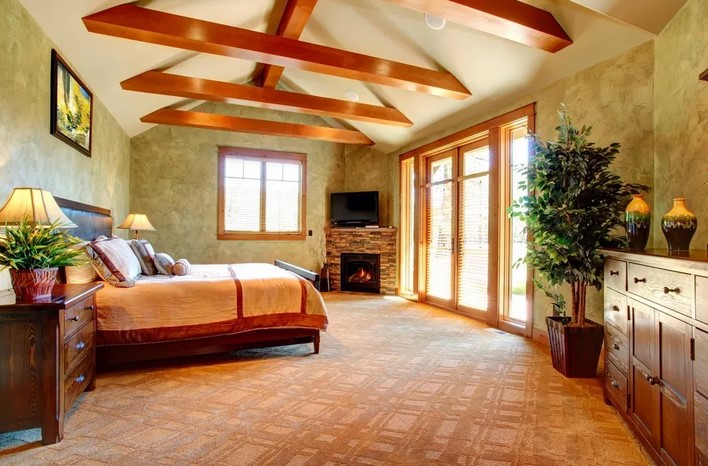
To enhance the rustic appeal of your ceiling beams, consider pairing them with other natural materials, such as stone, brick, or wood flooring. For instance, a stone fireplace paired with reclaimed wood beams creates a cozy, inviting atmosphere, perfect for living rooms or dens. Natural wood flooring also complements rustic beams, adding to the warmth and character of the space.

If you’re working with a more modern aesthetic, combining rustic beams with sleek, contemporary furniture or polished metal fixtures can create an interesting contrast, blending old-world charm with modern design elements.

3. Choose the Right Finish and Color

The finish and color of the beams will significantly impact the overall look of the room. Darker stains or painted beams can create a more dramatic, rustic look, while lighter wood tones can help keep the space feeling open and airy. If you’re unsure which finish works best, try out a few samples before committing to a final color.

For a more natural look, you can leave the wood unfinished, allowing its natural color and grain to shine through. On the other hand, if you’re looking to add warmth and richness, opt for a darker stain that enhances the wood’s natural beauty.

In conclusion, rustic ceiling beams are a stunning addition to any home, offering not only structural support but also unparalleled charm and character. Whether you choose reclaimed wood beams, faux beams, or hand-hewn pieces, these architectural features help create a cozy, welcoming environment that exudes warmth and timeless appeal. By carefully selecting the right type of beam, finish, and placement, you can transform your home’s interior into a beautifully layered space that tells a unique story. Whether your design preference leans toward the traditional or the contemporary, rustic ceiling beams provide a versatile solution to enhancing the aesthetic of your home, making it more inviting and full of personality.

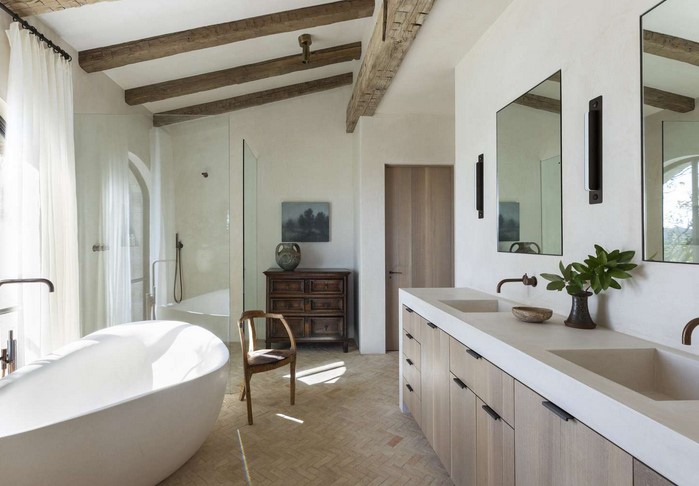
Rustic Bathroom Vanities: Bring Warmth to Your Bathroom

Source:https://www.thespruce.com

When it comes to bathroom design, few elements create as much charm and warmth as rustic bathroom vanities. These timeless pieces combine natural materials, earthy tones, and vintage-inspired designs to bring a sense of comfort and coziness to your space. Whether you’re updating a small powder room or renovating a spacious master bath, incorporating rustic vanities into your bathroom can transform the overall ambiance into one of rustic elegance. In this article, we will explore the key features and benefits of rustic bathroom vanities, along with tips on how to incorporate them into various bathroom styles, making your space not only functional but also inviting.

1. The Charm of Rustic Bathroom Vanities

Rustic design is all about embracing the beauty of natural materials, raw textures, and earthy color palettes. It’s a style that invokes feelings of warmth and relaxation, often drawing inspiration from rural, farmhouse, or cabin aesthetics. When it comes to rustic bathroom vanities, the focus is on combining practicality with timeless charm.

Rustic bathroom vanities often feature distressed wood, reclaimed timber, and iron hardware, all of which contribute to the raw, organic feel of the vanity. These elements give your bathroom an earthy, cozy atmosphere that’s both stylish and comfortable. The rich textures and rustic appeal of these vanities stand in contrast to sleek, modern finishes, creating a sense of character and history.

Key Features of Rustic Bathroom Vanities:

  1. Natural Wood Finishes: The most defining feature of rustic bathroom vanities is the use of natural wood. Oak, pine, and reclaimed wood are common materials used for vanity construction. These materials are left in their natural state or are gently distressed to enhance the wood grain and create a timeworn look.
  2. Distressed and Weathered Look: Many rustic vanities are intentionally distressed or weathered to give them an aged, vintage appeal. This can be achieved through techniques like sanding, painting, or even exposing the wood to natural elements to simulate years of use.
  3. Iron or Bronze Hardware: Hardware such as handles, knobs, and hinges made from cast iron or bronze are often used to complement the rustic wood and add an industrial or vintage touch to the vanity.
  4. Simple, Functional Design: Rustic bathroom vanities tend to have a more straightforward and functional design. They may feature open shelving, large drawers, or cabinets, offering plenty of storage space while maintaining a minimalist aesthetic. The design tends to prioritize usability while still showcasing the beauty of the wood.
  5. Earthy Tones: Rustic vanities often incorporate warm, earthy tones like browns, tans, and deep reds. These tones create a natural, calming environment, perfect for a bathroom that doubles as a relaxing retreat.

2. Benefits of Rustic Bathroom Vanities

In addition to their aesthetic appeal, rustic bathroom vanities offer several practical benefits that make them a great choice for your bathroom renovation. Here are some of the top advantages:

1. Timeless Appeal

Rustic design is not a passing trend but rather a classic style that has been beloved for generations. Unlike some modern design trends that may lose their popularity over time, rustic bathroom vanities have a timeless quality that can remain stylish for decades. Whether you’re renovating a traditional or contemporary bathroom, rustic vanities are versatile enough to fit seamlessly into various décor styles.

2. Durability and Longevity

Rustic vanities are often crafted from sturdy, high-quality materials such as solid wood and metal, ensuring that they stand the test of time. These durable materials are not only resilient to wear and tear but also become more beautiful with age, as the wood naturally darkens and develops a patina over time. The solid construction of rustic vanities means you won’t have to worry about them easily chipping or breaking.

3. Warm and Inviting Ambiance

There’s something inherently warm and inviting about rustic design. The natural beauty of the wood, paired with the simple yet functional design, creates a bathroom space that feels like a retreat. Whether you’re starting your day with a hot shower or winding down in a warm bath, a rustic vanity adds a touch of coziness to the space, transforming your bathroom into a calming sanctuary.

4. Eco-Friendly Materials

Many rustic vanities are made from reclaimed wood or repurposed materials, making them an environmentally friendly option for homeowners looking to reduce their carbon footprint. By choosing a rustic vanity made from salvaged materials, you’re contributing to sustainability while also embracing the natural beauty of wood that has been given a second life.

5. Increased Home Value

Investing in a rustic vanity can enhance the value of your home, especially if you’re planning to sell it in the future. Potential buyers often appreciate the warmth and character that rustic design adds to a bathroom, and a well-crafted rustic vanity can elevate the overall appeal of your home’s design.

3. How to Incorporate Rustic Bathroom Vanities into Your Bathroom

Now that we’ve explored the advantages of rustic bathroom vanities, let’s discuss how to incorporate them into your bathroom design. Whether your bathroom is large or small, rustic vanities can add warmth and personality, making your space feel more inviting. Here are some tips to consider when adding a rustic vanity to your bathroom:

1. Balance with Modern Elements

If you’re worried that a rustic vanity may clash with your existing modern décor, don’t be! The beauty of rustic design is its ability to blend seamlessly with a variety of other styles. For example, pair your rustic vanity with sleek, modern fixtures like chrome faucets, a frameless mirror, and minimalist lighting. The contrast between the natural wood and modern elements creates a stylish, balanced look that is both contemporary and cozy.

2. Complement with Natural Accents

To enhance the rustic feel of your bathroom, complement your vanity with natural accents such as stone countertops, woven baskets, and ceramic accessories. Neutral-toned towels and linen, as well as wooden shelves or trays, can help tie the entire room together. The goal is to create a space that feels grounded in nature while maintaining functionality and style.

3. Choose the Right Sink

The sink you choose can play a significant role in the overall look of your rustic bathroom vanity. For a more traditional rustic look, opt for a farmhouse sink or a vessel sink made from materials like ceramic or copper. Alternatively, an undermount or drop-in sink in a modern material such as marble or granite can add a refined touch while still complementing the rustic wood.

4. Consider the Size and Layout of Your Bathroom

When selecting a rustic vanity, consider the size and layout of your bathroom. A larger vanity with multiple storage compartments works well in spacious bathrooms, while a smaller single-sink rustic vanity is ideal for more compact spaces. Keep in mind that a vanity with a natural wood finish can visually expand a small bathroom, making it feel more open and airy.

5. Add Vintage or Industrial Touches

To fully embrace the rustic aesthetic, consider adding vintage or industrial elements to your bathroom. This could include industrial-style lighting, old-fashioned mirrors, or iron hardware. Incorporating these elements into the space will help reinforce the rustic charm of your vanity and create a cohesive, stylish design.

Incorporating rustic bathroom vanities into your bathroom design is an excellent way to add warmth, character, and timeless appeal to your space. These vanities, crafted from natural materials like reclaimed wood, metal, and stone, bring an earthy, cozy ambiance to any bathroom. With their durability, aesthetic versatility, and eco-friendly appeal, rustic vanities are not just a design choice, but an investment in quality. By blending rustic charm with modern elements, you can create a bathroom that’s both functional and inviting—a perfect retreat to unwind after a long day. Whether your bathroom is large or small, rustic vanities can provide the perfect solution for creating a warm, welcoming atmosphere that complements your unique style.

DIY Garage Organizers: Maximize Space in Your Garage

Source:https://www.bhg.com

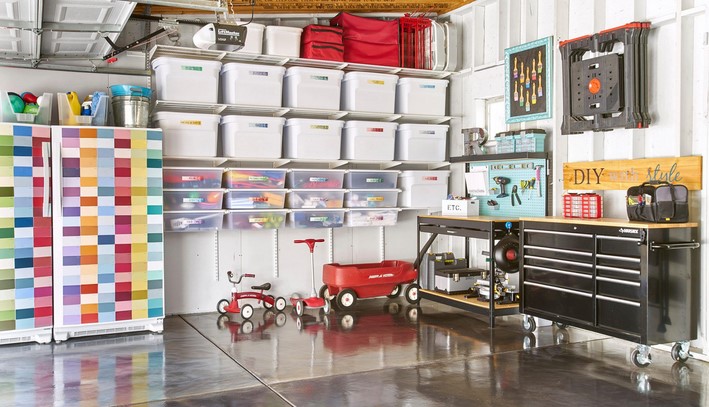
If you’re struggling with clutter in your garage, it’s time to consider implementing DIY garage organizers to reclaim your space. A well-organized garage not only helps you store tools, sports equipment, and seasonal items more efficiently, but it also enhances the functionality of the entire space. Whether you’re an avid DIYer, a car enthusiast, or simply need a place to store household items, organizing your garage can make a world of difference. In this article, we will explore several practical and cost-effective DIY garage organizers, the benefits of garage organization, and how you can transform your garage into a clean, organized, and functional space.

1. Why Garage Organization is Important

Garages are often one of the most neglected spaces in a home, despite being a hub for storage and various activities. Over time, garages become a dumping ground for tools, gardening supplies, sports equipment, and even old furniture. This clutter not only makes it difficult to find what you need, but it can also create hazards and make the garage feel smaller and more chaotic than it really is.

By implementing DIY garage organizers, you can turn your garage into a space that is both functional and accessible. An organized garage not only improves the overall aesthetics of your home but also makes daily tasks much easier. Whether you’re working on a project, looking for a specific tool, or simply need a place to park your car, a well-organized garage will save you time and energy in the long run.

The Benefits of Garage Organization

  1. Maximized Space: Organizing your garage allows you to utilize every inch of available space. With the right organizers, you can store items vertically, on the walls, and even in the ceiling, making your garage feel more spacious and efficient.
  2. Increased Productivity: When everything has its designated place, it’s easier to find the tools or equipment you need. Whether you’re a hobbyist, mechanic, or just trying to keep things in order, an organized space promotes a more productive and stress-free environment.
  3. Safety and Accessibility: A clutter-free garage reduces the risk of accidents, like tripping over tools or knocking over items. Additionally, when items are organized and easily accessible, you can avoid wasting time searching for things or dealing with unnecessary frustration.

2. Popular DIY Garage Organizers for Every Need

The great thing about DIY garage organizers is that you can tailor them to your specific needs and the available space in your garage. Whether you’re looking to store small tools or large equipment, there are plenty of creative ways to maximize your garage’s potential. Here are some popular DIY garage organizer ideas that will help you get your space in order:

1. Pegboards for Tools and Small Items

One of the most versatile and affordable DIY garage organizers is a pegboard. By installing a pegboard on one or more walls, you can create a customizable storage solution for your tools, gardening supplies, and even small containers for screws, nails, or washers. Pegboards allow you to organize items vertically, keeping your garage floor clear and providing easy access to frequently used tools.

  • How to Create It: Mount a large wooden or metal pegboard to the wall, securing it with screws. You can then add hooks, shelves, and baskets as needed to hold tools like hammers, screwdrivers, pliers, and wrenches. For an added touch, you can paint or label each section of the pegboard to designate which tools belong where.

2. Overhead Garage Storage Racks

If you’re running out of floor space but still need a place to store bulky items like seasonal decorations, camping gear, or rarely used tools, consider installing overhead garage storage racks. These systems make use of the unused space above your head, keeping items out of the way but still easily accessible.

  • How to Create It: Install sturdy overhead racks in a section of your garage with high ceilings. You can either build these from wood or purchase pre-made racks that attach to the ceiling beams. These racks work well for storing large bins, boxes, or heavy-duty equipment that you don’t need to access frequently.

3. Wall-Mounted Shelving Units

For those with a bit more room to work with, wall-mounted shelving units are an excellent way to store boxes, bins, and larger equipment without taking up valuable floor space. These units are ideal for keeping items organized and visible, so you don’t have to dig through piles of boxes to find what you’re looking for.

  • How to Create It: Install shelving units along the walls, ensuring they are securely fastened to the studs for maximum weight capacity. Use a mix of open and closed storage options to keep your items organized and tidy. You can also add labels to bins and boxes for easier identification.

4. Rolling Tool Carts

For DIY enthusiasts and mechanics, a rolling tool cart is a game-changer. Not only does it keep tools organized, but it also makes them portable, so you can easily move them around the garage or even outside for projects. A well-designed rolling cart can hold everything from screwdrivers and drills to wrenches and saws, all in one convenient place.

  • How to Create It: Purchase a metal tool cart with wheels or repurpose a rolling kitchen cart. Customize the cart with bins, trays, and dividers to organize your tools by type. Add a top surface for additional workspace and a few hooks for hanging smaller tools like pliers or tape measures.

5. Bucket or Tote Organizers for Smaller Items

Buckets or totes are excellent for storing small items like nails, screws, bolts, or craft supplies. They are portable and easy to stack or store on shelves, making them a simple and affordable option for organizing loose items in your garage.

  • How to Create It: Label each bucket or tote based on its contents (e.g., “screws,” “nails,” “bolts,” etc.). Store them in clear plastic bins or on wall-mounted racks so you can easily access them when needed.

3. Tips for Implementing Your DIY Garage Organizers

Now that you have some ideas for DIY garage organizers, it’s time to put them into action. Here are some tips to make the process of organizing your garage as efficient as possible:

1. Sort and Purge First

Before you start organizing, take the time to sort through your items and get rid of anything you no longer need. Donate, sell, or dispose of old tools, equipment, or seasonal items that are no longer in use. This will not only free up space but also ensure that you are only keeping what’s truly necessary.

2. Maximize Vertical and Overhead Space

One of the most effective ways to maximize space in your garage is to make use of the walls and ceiling. By installing wall-mounted racks, pegboards, or overhead storage systems, you can free up valuable floor space while keeping everything accessible and easy to find.

3. Label Everything

Labeling your bins, boxes, and containers will make it easier to locate items when you need them. This is especially helpful if you have a variety of similar items stored in multiple locations. You can use simple labels with a permanent marker or create custom labels with a label maker.

4. Create Zones for Different Activities

Divide your garage into specific zones based on activity. For example, create a designated space for gardening tools, another for automotive supplies, and another for home improvement tools. This makes it easier to locate items quickly and reduces the chances of clutter building up in random areas.

5. Invest in Quality Materials

While DIY garage organizers can be made with basic materials, it’s essential to invest in durable, high-quality components for your shelving units, tool racks, and storage systems. Good quality materials will ensure your garage organizers hold up over time, even with regular use.

Transforming your cluttered garage into an organized and efficient space is easier than you think with DIY garage organizers. By utilizing vertical space, investing in clever storage solutions like pegboards and rolling carts, and sorting through your belongings, you can maximize the available space in your garage and make it a functional area for work and storage. Whether you’re a seasoned DIYer or just looking for a way to tidy up, these affordable and customizable solutions can help you create a garage that is as organized as it is practical. With a little time and effort, your garage will be a clutter-free haven where everything has its place.