
Smart Facility Integration: Enhancing Residential Security via the Smart Pet Door

Source:https://my.funnelpages.com

Imagine waking up at 3:00 AM to a rhythmic thud-clack sound coming from your kitchen. You freeze, thinking a burglar has breached your back door. You rush downstairs, heart pounding, only to find a very confused, very mangy stray raccoon staring at you from beside your cat’s food bowl. He didn’t pick a lock; he simply walked through that $20 plastic flap you installed last summer.

In my ten years of retrofitting homes, I’ve seen this “uninvited guest” scenario more times than I can count. Most homeowners view a pet entrance as a simple convenience, but in the modern era of the connected home, a traditional flap is essentially a gaping hole in your security perimeter.

That is where the Smart Pet Door enters the conversation. It’s no longer just a hole in the wall; it’s a sophisticated gatekeeper that bridges the gap between pet freedom and residential airtight security.

The Security Flaw You’ve Been Ignoring

When I consult on home improvement projects, I tell my clients to think of their home like a computer network. Your front door has a deadbolt (the firewall), your windows have sensors (the antivirus), but that old-school pet flap? That’s a wide-open “guest” login with no password required.

Traditional flaps aren’t just an invitation for wildlife. A standard large-breed dog door is often big enough for a small human to reach through and unlock your main door handle. We are talking about a significant structural vulnerability disguised as a convenience for Fido.

The Smart Pet Door fixes this by shifting from a “passive” barrier to an “active” one. It stays physically locked until a verified “key”—usually a microchip or a Bluetooth tag—approaches. It’s the difference between leaving your front door wide open and installing a biometric scanner.

How a Smart Pet Door Actually Works: The RFID Revolution

If you’re new to this technology, don’t let the “Smart” label intimidate you. I like to use the Office Badge Analogy: Think of your pet like an employee at a high-security firm. They don’t just push the door open; they “badge in” using a chip.

  • Microchip Recognition: Most modern units sync directly with the ISO-standard microchip already implanted in your pet by the vet.

  • RFID Collar Tags: If your pet isn’t chipped, a small Radio Frequency Identification (RFID) tag on their collar acts as the digital key.

  • Active Locking Bolts: Unlike gravity-fed flaps, a Smart Pet Door utilizes motorized locking pins that physically prevent the flap from being pried open by external force.

In my experience, the technical reliability of these chips has skyrocketed. A decade ago, you might have had a “lag” where the pet stood there waiting for the door to wake up. Today, the low-latency sensors trigger the unlock before your dog even touches the flap with their nose.

Why Integration is the Future of Home Improvement

When we talk about “Smart Facility Integration,” we are talking about making your home work as a single, cohesive unit. A high-end Smart Pet Door doesn’t just let the dog out; it talks to your entire house.

1. Curfew Mode and App Control

Through a dedicated smartphone app, I’ve helped homeowners set “Digital Curfews.” You can program the door to allow “In-Only” access after 6:00 PM. This ensures your cat is safely inside before the coyotes or cars become a threat, all without you having to manually chase them down.

2. Activity Monitoring as a Health Diagnostic

This is an “expert insight” many people miss: The data from your Smart Pet Door is a health goldmine. If your app notification shows your dog is heading out 15 times a day instead of the usual 4, it might be an early sign of a urinary tract infection or anxiety. I’ve had clients thank me for suggesting a smart door simply because it helped them catch a vet issue early.

3. Integration with Security Cameras

Some premium models can trigger your outdoor CCTV cameras the moment the pet door is activated. If someone—or something—attempts to tamper with the flap, you get a push notification and a video clip instantly.

Installation Deep-Dive: Wall vs. Door Mounts

As a pro with a decade of sawdust in my boots, I can tell you that the “where” is just as important as the “what.” You have two primary paths for your Smart Pet Door installation.

The Door Mount (Beginner Friendly)

This involves cutting a hole directly into your existing wood, metal, or PVC door.

  • Pros: It’s faster, easier to “undo” if you replace the door, and usually requires fewer tools.

  • Cons: If you have a glass-paneled door, it becomes a nightmare of custom glazing costs.

The Wall Mount (Intermediate/Expert)

This requires cutting through drywall, insulation, and exterior siding or brick.

  • Pros: It keeps your main entrance looking clean and allows you to place the door in a more “hidden” location (like a laundry room) for better security.

  • Cons: You must be extremely careful of electrical wiring and stud placement.

  • LSI Keyword Alert: Always use a wall tunnel kit to ensure a weatherproof seal and to prevent moisture from rotting your home’s structural framing.

Expert Advice: The “Hidden” Technicalities

💡 Pro Tip: The Weatherproofing Factor

Many people buy a Smart Pet Door for security but forget about Thermal Efficiency. A cheap door will leak air like a broken window. Look for models with a dual-pane flap or “Extreme Weather” ratings. In a 100-degree summer or a sub-zero winter, a poorly sealed pet door can add $20 a month to your utility bill.

⚠️ Hidden Warning: The “Raccoon Tail” Problem

Cheaper smart doors use a timer to lock the door once the pet passes. However, if the lock engages too slowly, a clever intruder (like a stray cat) can follow your pet through the door before it clicks shut. This is called “tailgating.” When shopping, look for doors with adjustable stay-open times or “fast-close” motorized mechanisms.

Maintenance Checklist for Longevity

A Smart Pet Door is an electronic appliance living in a harsh environment. To keep your residential security at its peak, follow this 6-month maintenance routine:

  • Sensor Cleaning: Use a microfiber cloth to wipe the infrared or RFID sensors. Dust and pet hair can “blind” the door.

  • Battery Management: If your door isn’t hardwired, replace the batteries before they die. Most apps will give you a “low battery” warning—don’t ignore it, or your pet might end up locked out in the rain.

  • Seal Inspection: Check the rubber gaskets for cracking. A cracked seal ruins the acoustic insulation and lets in drafts.

Technical Specifications Comparison

Feature Entry-Level Smart Door Professional Integrated System
Connectivity Bluetooth Only Wi-Fi / Zigbee / Matter
Power Source AA Batteries Hardwired with Battery Backup
Locking Mechanism Single Plastic Latch Multi-point Steel Bolts
User Capacity Up to 10 Pets Unlimited / Cloud Sync
Weather Rating Single Flap Triple-Shield Insulated

Final Thoughts: Security Without Sacrifice

Upgrading to a Smart Pet Door is about reclaiming your peace of mind. It’s about knowing that your home’s perimeter is secure, your energy bills are stable, and your pets have the freedom they deserve without turning your kitchen into a wildlife sanctuary.

In the world of home improvement, we often say that the best upgrades are the ones you stop noticing because they work so seamlessly. A well-integrated smart door is exactly that—a silent sentry that keeps the bad out and lets the good in.

Are you planning to install your pet door in a wall or a door? If you’re worried about hitting a wire or a pipe during a wall installation, let me know your home’s construction type in the comments—I’d be happy to walk you through the structural precautions!
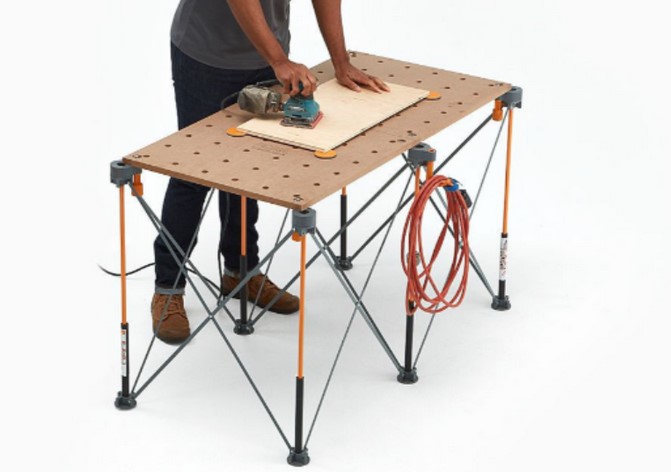
Flexible Operational Infrastructure: Leveraging the Work Bench Portable for On-Site Utility

Source:https://lh7-rt.googleusercontent.com

I’ve spent the last decade crawling through crawlspaces, framing additions, and renovating kitchens that looked like they hadn’t been touched since the Eisenhower administration. If there is one thing I’ve learned, it’s that a messy job site is a failing job site.

I remember a specific July afternoon on a deck build. I was hunched over a pair of shaky plastic sawhorses, trying to make a precision miter cut. The “table” wobbled, the wood slipped, and I ended up wasting a $50 piece of cedar and nearly losing a finger. That was the day I realized that a work bench portable isn’t just a luxury; it is the backbone of your operational infrastructure.

Think of a portable workbench as the “Command Center” of your project. Without it, you’re just a person with a pile of tools on the floor. With it, you have a steady, reliable partner that transforms any chaotic backyard or dusty garage into a professional-grade workshop.

Why Every DIYer Needs a Portable Nerve Center

In the world of home improvement, we often obsess over the “active” tools—the drills, the saws, the impact drivers. But we rarely give credit to the “passive” infrastructure.

A high-quality work bench portable serves as your literal foundation. If your foundation is weak, your measurements will be off, your cuts will be jagged, and your back will be aching by 2:00 PM.

The Anatomy of Stability

What makes a workbench “portable” yet “industrial”? It’s all about the strength-to-weight ratio. Modern units use high-grade steel or reinforced polymers that can support upwards of 1,000 lbs while weighing less than 30 lbs themselves.

Speed of Deployment

In my experience, the biggest barrier to finishing a project is the “setup friction.” If it takes you thirty minutes to lug out a heavy table and set up your gear, you won’t want to do the work. A professional-grade portable bench should deploy in under 15 seconds. It’s the difference between “I’ll do that next weekend” and “I’ll knock that out right now.”

Technical Deep-Dive: Key Features to Look For

When you’re shopping for a work bench portable, don’t just look at the price tag. Look at the mechanical “DNA” of the unit. Here is what I look for after ten years in the dirt:

1. Integrated Clamping Systems

A bench is useless if it can’t hold your workpiece. Look for benches with dog holes (those round holes on the surface) and integrated T-tracks.

Pro Insight: Using “Bench Dogs” (small pegs) allows you to secure odd-shaped objects like circular table tops or chair legs that a standard C-clamp can’t touch.

2. The “Twist” Test

When the bench is unfolded, grab the corners and try to twist it. If it flexes more than a quarter-inch, walk away. Side-to-side stability (lateral shear) is vital when you are hand-planing wood or using a reciprocating saw.

3. Surface Material

Most experts prefer a mix of high-impact resin and metal. Resin is great because it won’t damage your saw blades if you accidentally nick the table, but metal frames provide the “bones” needed for longevity.

Scaling Your Workflow: From Beginner to Pro

For beginners, the work bench portable is a safety device. It keeps your hands away from the blade and your workpiece at waist height. For the intermediate DIYer, it becomes a precision tool.

Using the Bench as a Tool Stand

Many modern portable benches are designed to host a miter saw or a portable table saw. By aligning two benches of the same height, you create an “outfeed” table.

Analogy: Imagine trying to cook a five-course meal on a single cutting board. It’s impossible. Adding a second workbench is like adding a second kitchen counter; suddenly, you have room to breathe, organize, and execute.

The Utility of On-Site Mobility

Unlike a heavy oak workbench bolted to a garage floor, the portable version follows the sun. If you’re sanding a cabinet door, you want to be outside where the dust blows away, not in your enclosed garage. This “operational flexibility” is why even pro contractors with $100,000 shops still keep three or four portable units in their trucks.

Step-by-Step: Setting Up Your Mobile Station

  1. Clear the Landing Zone: Ensure the ground is level. Most portable benches have fixed legs, so a rocky backyard will lead to wobbling.

  2. Lock the Joints: Always double-check the locking pins. I’ve seen benches collapse because a user forgot to engage the secondary safety latch.

  3. Organize the Under-Zone: Use the space beneath the bench for your vacuum or heavy tool bags. This adds “ballast,” making the bench even more stable.

  4. Lighting is Key: Position your bench so the light comes from the side, not behind you. You don’t want to be working in your own shadow.

Expert Advice: Maintenance and Longevity

💡 Pro Tip: The Wax Trick

If you have a workbench with a wooden or composite top, rub a bit of paste wax or even an old candle on the surface. This prevents glue drips (from woodworking projects) from sticking to the bench. When the glue dries, it will pop right off with a putty knife!

⚠️ Hidden Warning: The Load Limit Myth

Just because a box says “Supports 1,000 lbs” doesn’t mean you should drop a 1,000-lb engine block on it. That rating is for static weight (weight sitting still). Dynamic weight—like the force of you pushing a saw or hammering a joint—multiplies the stress on the joints. Always aim to stay under 50% of the rated capacity for active work.

Comparison of Bench Types

Feature Lightweight Plastic Heavy-Duty Steel Fold Professional Work Station
Best For Light Crafting / Painting General Construction Precision Woodworking
Portability Excellent Moderate Fair
Clamping Limited Integrated Slideways T-Tracks & Dog Holes
Durability 1-3 Years 5-10 Years Lifetime

In the end, choosing a high-quality work bench portable is an act of kindness to your future self. It saves your back, it saves your time, and most importantly, it saves the quality of your work. You can have the most expensive drill in the world, but if you’re drilling into a wobbly surface, your hole will be crooked.

Start looking at your workspace as an infrastructure, not just a place to put things. Once you experience the “utility” of a truly stable, mobile command center, you’ll wonder how you ever finished a project without one.

What is the biggest “pain point” in your current workspace? Are you tired of working on the floor, or is your current table just too shaky for the job? Let me know in the comments below, and let’s figure out the best setup for your next project!

Backyard Hammock Setups: Create the Perfect Relaxation Spot

Source:https://decoroutdoor.com

In today’s fast-paced world, finding moments of tranquility and relaxation is more important than ever. One of the most effective ways to carve out a peaceful retreat in your own backyard is by setting up a hammock. Backyard hammock setups offer the perfect combination of comfort, style, and relaxation, providing a place to unwind after a long day, read a book, or simply enjoy the beauty of your surroundings. Whether you’re looking to create a cozy nook under the trees or a stylish focal point for your outdoor space, a hammock setup can elevate your backyard experience. In this article, we’ll explore how to create the ideal hammock setup, the different types of hammocks, and tips for making the most out of your relaxation space.

1. Benefits of Backyard Hammock Setups

Setting up a hammock in your backyard is more than just adding a piece of furniture; it’s about creating an environment that promotes relaxation and peace. From the physical benefits of lounging in a hammock to the emotional comfort it provides, these outdoor setups are a great addition to any backyard. Here’s why you should consider incorporating backyard hammock setups into your outdoor space:

1.1 Physical Comfort and Health Benefits

Hammocks are more than just a place to nap—they can have positive effects on your physical health. When used properly, hammocks can improve posture by providing a more natural position for your body. The gentle rocking motion can relieve stress and help soothe muscles, making them an excellent choice for those seeking relief from back pain or tension.

Additionally, spending time outdoors in a hammock can boost your mood and promote relaxation. Being outside in nature has been linked to lower levels of cortisol (the stress hormone) and increased levels of serotonin (the “feel-good” hormone), which can help combat stress and improve overall well-being.

1.2 Enhance Your Outdoor Aesthetic

A hammock doesn’t just provide relaxation—it can also enhance the aesthetic of your backyard. Backyard hammock setups come in a wide variety of materials, colors, and designs, making it easy to choose one that complements your garden or patio style. Whether you’re looking for a rustic, bohemian, or modern vibe, there’s a hammock that will fit seamlessly into your outdoor design.

A well-placed hammock can serve as both a functional and decorative element in your garden. You can integrate it with outdoor lighting, decorative pillows, or draping plants, creating a charming and inviting spot. The hammock can become the centerpiece of your backyard, providing both beauty and comfort.

1.3 Perfect for Socializing or Solo Time

Whether you want to relax alone with a good book or spend quality time with friends and family, a hammock is versatile enough to cater to both scenarios. Depending on the type of hammock you choose, you can enjoy your own private sanctuary or create a cozy spot for two or more people. Hammocks for couples or family-sized hammocks can be perfect for socializing in a relaxed, low-key environment.

Having a hammock setup also encourages outdoor living. Instead of retreating indoors to watch television or check emails, you’re more likely to stay outside and enjoy your garden or patio. This promotes a healthier lifestyle by getting more fresh air and encouraging outdoor activities.

2. Types of Hammocks for Your Backyard Setup

When it comes to backyard hammock setups, the options are abundant. From traditional rope hammocks to modern fabric designs, there’s a style that will suit your personal taste and outdoor space. Here are some of the most popular types of hammocks to consider for your backyard:

2.1 Rope Hammocks

The classic rope hammock is a timeless choice that offers a cool, breathable design. Made from cotton, polyester, or nylon, rope hammocks have an open weave that allows air to circulate, making them perfect for hot summer days. Their lightweight construction makes them easy to hang between two trees or on a hammock stand.

Rope hammocks have a traditional look that works well in gardens, beaches, and rustic outdoor settings. They are ideal for a relaxing nap or lounging with a friend, but the gaps between the ropes may not be the most comfortable for long periods. However, the airy design and ability to sway in the breeze make these hammocks a popular choice for many.

2.2 Fabric Hammocks

For those who prefer a bit more comfort, fabric hammocks provide a soft and cozy alternative. Made from materials such as cotton, canvas, or polyester, these hammocks offer a smoother, more supportive surface than rope hammocks. Fabric hammocks come in a variety of colors, patterns, and styles, allowing you to personalize your outdoor space.

These hammocks are excellent for lounging and napping, as the fabric offers a more comfortable and supportive surface to lay on. Additionally, fabric hammocks often feature reinforced edges and stronger stitching, making them more durable and resistant to wear and tear.

2.3 Hammock Chairs

Hammock chairs are a great option for those looking for a more compact and versatile hammock setup. These suspended chairs provide a cozy, seated alternative to traditional hammocks. They’re perfect for smaller backyards or areas where you want the feel of a hammock without taking up too much space.

Hammock chairs come in various designs, from simple hanging chairs to more elaborate models with cushions and armrests. They are also portable, so you can move them around depending on the time of day or desired views. These chairs provide a unique and relaxing way to spend time in your garden or balcony.

2.4 Double and Family Hammocks

If you have a larger outdoor space or enjoy spending time with family and friends, a double hammock or family hammock setup might be the right choice. Double hammocks offer ample space for two people to relax together, and family-sized hammocks can accommodate even more people.

These hammocks are available in fabric or rope designs and are ideal for lounging with your loved ones. The extra space also means that you can spread out and stretch comfortably, making them perfect for relaxing with a partner, children, or pets.

2.5 Hammock with Stand

Not everyone has the ideal trees or posts to hang a hammock, but that doesn’t mean you can’t enjoy the benefits of a hammock setup. A hammock with a stand allows you to set up your hammock anywhere in your backyard, without the need for tree placement or structural support.

Hammock stands are typically made from wood or steel and come in a variety of styles. Whether you prefer a traditional wooden frame or a modern metal design, a hammock with stand offers the flexibility to place your hammock wherever you want in your outdoor space. These setups are especially useful for renters or those who want a portable, moveable option.

3. Tips for Creating the Perfect Backyard Hammock Setup

To ensure that your backyard hammock setup is not only beautiful but also functional and comfortable, there are a few important design considerations to keep in mind. Here are some tips for getting the most out of your hammock:

3.1 Find the Perfect Location

The location of your hammock plays a significant role in both its functionality and overall appeal. Look for an area in your backyard that provides ample shade and a pleasant view. Ideal locations include under mature trees, near a garden, or beside a water feature like a pond or fountain.

Make sure the area is relatively flat to prevent discomfort when lying in the hammock. Avoid placing the hammock near high-traffic areas or places where it could be easily disturbed by wind or other outdoor elements.

3.2 Ensure Proper Suspension

For comfort and safety, make sure that your hammock is suspended at the right height and angle. A hammock should be hung with enough slack to allow you to lie comfortably, but not so much that you’ll be too low to the ground. Ideally, the hammock should be hung about 4 feet off the ground for the best lounging experience.

If you’re using a hammock stand, ensure it is placed on stable ground and that the hammock is balanced correctly. For hammocks hung between trees, make sure the trees are sturdy and the ropes or straps are secure.

3.3 Add Comfort with Cushions and Pillows

While hammocks are inherently comfortable, adding a few pillows or cushions can take your relaxation experience to the next level. Consider purchasing outdoor cushions that are weather-resistant and designed for outdoor use. These accessories can add both style and comfort to your hammock, allowing you to lounge for hours without feeling uncomfortable.

3.4 Incorporate Surrounding Decor

Your hammock should be part of a larger outdoor design. Consider adding outdoor rugs, hanging lanterns, or string lights to create a cozy and inviting ambiance around the hammock area. Decorative plants, such as trailing ivy or blooming flowers, can also be placed around the hammock to create a lush, serene atmosphere.

In conclusion, backyard hammock setups provide the perfect opportunity to create a serene and relaxing outdoor space where you can unwind, recharge, and enjoy the beauty of nature. From fabric hammocks to hammock chairs, the variety of designs available allows you to find the perfect setup for your backyard style, comfort preferences, and functional needs. By choosing the right location, ensuring proper suspension, and adding personal touches, you can turn your outdoor area into a peaceful retreat that enhances both the aesthetic and enjoyment of your home. Whether you’re lounging alone or with friends and family, a hammock in your backyard is the ultimate relaxation spot, combining comfort, style, and tranquility.

Custom Garden Arches: Add Beauty and Elegance to Your Garden

Source:https://www.marthastewart.com

A garden is more than just a collection of plants; it’s a sanctuary that invites peace, tranquility, and creativity. One of the most stunning ways to elevate the aesthetic appeal of your outdoor space is by incorporating custom garden arches. These timeless structures serve as both focal points and functional elements, creating a seamless blend of beauty and practicality in your garden design. Whether you’re looking to add a touch of romance, provide support for climbing plants, or create a welcoming entrance to a garden pathway, custom garden arches can completely transform your outdoor space. In this article, we’ll explore the benefits of custom garden arches, the various materials and styles available, and how you can use them to enhance your garden’s beauty and elegance.

1. Why Choose Custom Garden Arches?

A custom garden arch can significantly improve the overall design of your garden by adding height, structure, and visual interest. Unlike pre-made arches, custom designs offer endless possibilities for personalization, allowing you to match the arch to your unique style, garden theme, and specific needs. Here are some key reasons why a custom garden arch can be a worthwhile investment:

1.1 Personalization and Unique Design

The most significant advantage of custom garden arches is the ability to personalize every aspect of the design. Whether you prefer a rustic wooden arch, a sleek modern steel structure, or an ornate wrought-iron design, a custom arch allows you to create something that perfectly fits the aesthetic of your garden. You can select materials, colors, finishes, and even specific embellishments to achieve a look that resonates with your vision.

Custom garden arches also allow you to tailor the size and shape of the structure, ensuring it complements the layout of your garden. For example, if you have a narrow pathway, you can design an arch that fits proportionally, providing the perfect focal point without overwhelming the space.

1.2 Create a Focal Point

A well-placed custom garden arch can act as a stunning focal point in your garden. When strategically placed over a pathway, entrance, or garden gate, it draws the eye and sets the tone for the space. Whether you want to create an inviting entrance or highlight a specific area of the garden, the arch becomes a signature piece that guides the viewer’s attention.

Custom arches can be made large enough to stand as bold statements or more subtle in design to blend seamlessly with the surrounding landscape. The key is to ensure that the arch complements the surrounding plants, flowers, and features, creating a cohesive design that’s both visually striking and harmonious.

1.3 Support for Climbing Plants

Custom garden arches are not just beautiful decorative elements; they also serve a practical purpose by providing support for climbing plants. Vines, flowers like roses or wisteria, or even vegetables like cucumbers and beans can climb and weave their way up the arch, creating a living, green canopy. The arch not only serves as a support structure but enhances the visual appeal by allowing plants to flourish and create a lush, vibrant focal point.

With a custom garden arch, you can choose the type of support system that best suits the plants you wish to grow. For example, you can design an arch with horizontal crossbars or vertical trellises to provide ample space for vines and flowers to grow. The combination of natural greenery with a custom-designed arch creates a romantic, ethereal atmosphere in your garden.

1.4 Versatility and Functionality

A custom garden arch is versatile and can serve multiple purposes. For example, if you have a large garden, you can create a series of arches to lead visitors through different sections, guiding them along a beautifully designed path. Or, if your goal is to create a serene retreat, a garden arch can be used to frame a seating area, creating an intimate space for relaxation.

Additionally, garden arches can also serve as protective covers for plants, shielding them from the elements and allowing you to cultivate a variety of plant species in different sections of your garden. This function becomes especially valuable if you live in an area with harsh weather conditions or have delicate plants that need extra protection.

2. Types of Custom Garden Arches

Custom garden arches come in a variety of materials, styles, and designs, allowing you to choose the perfect structure that complements your garden’s theme. Here are some of the most popular options:

2.1 Wooden Garden Arches

Wooden arches offer a natural, rustic look that can blend beautifully with most garden settings. They are perfect for gardens that have a country or cottage-style theme, as well as those looking for a more traditional touch. Wooden garden arches can be made from a variety of woods, such as cedar, oak, or pine, each offering a different look and level of durability.

Wooden arches can be left to weather naturally, creating a charming, rustic effect, or they can be stained or painted in your desired color to match the rest of your garden. They can also be designed with intricate carvings or simple, clean lines, depending on your style preferences.

2.2 Wrought Iron and Metal Arches

For a more classic, elegant look, wrought iron or metal garden arches offer both durability and beauty. These arches can be custom-designed with ornate detailing or left sleek and simple, depending on the desired aesthetic. Wrought iron arches are often used in formal gardens or to create a traditional, European-inspired atmosphere.

Metal arches are also highly durable and resistant to weathering, making them an excellent long-term investment. They can be powder-coated in various colors or left with a natural metallic finish. Over time, some metal arches develop a patina, adding character to the design.

2.3 Steel and Modern Designs

For contemporary garden designs, steel arches provide a clean, modern look. These custom garden arches often feature minimalist, geometric shapes and can be designed with a variety of finishes, such as matte black, polished stainless steel, or powder-coated options. Steel arches are incredibly durable and can withstand harsh weather conditions, making them a great choice for modern gardens with a focus on simplicity and elegance.

Some steel arches incorporate other design elements, such as integrated lighting or functional features like built-in shelving for plants or décor.

2.4 Bamboo or PVC Arches

If you’re looking for a more eco-friendly or budget-conscious option, bamboo and PVC arches can be an excellent choice. Bamboo arches offer a natural, organic appearance that fits well in gardens with an Asian, tropical, or eco-conscious theme. They are lightweight and easy to install, though they may not offer the same level of durability as metal or wood.

PVC arches are another affordable and low-maintenance option. They mimic the look of wood or metal, but are lightweight, weather-resistant, and easy to maintain. They are an excellent choice for those who want the look of a high-end arch without the cost or upkeep of wood or metal.

3. How to Incorporate Custom Garden Arches into Your Landscape

Once you’ve decided on the type of custom garden arch that fits your style and needs, the next step is to think about how to incorporate it into your garden. Here are some tips to help you design the perfect space:

3.1 Consider the Arch’s Placement

The placement of your garden arch is crucial to its overall impact. Consider where you want to create a focal point or frame a view. For example, placing an arch at the entrance of your garden will immediately draw attention and welcome visitors. Alternatively, you could use arches along a garden path to guide visitors through different sections of the landscape.

Another popular option is to place the arch over a seating area or a small outdoor table, creating an intimate space that’s perfect for relaxation and conversation.

3.2 Integrate Climbing Plants

One of the most popular features of custom garden arches is their ability to support climbing plants. Choose plants that will thrive in your climate and grow well on an arch. Popular choices include roses, clematis, wisteria, and ivy. These plants will weave around the arch, creating a beautiful, living structure that changes with the seasons.

Consider pairing flowering vines with a metal or wooden arch for a stunning contrast of materials and colors. For example, the rich, vibrant blooms of climbing roses can look stunning against the dark iron of a wrought iron arch.

3.3 Add Lighting and Accents

To enhance the beauty of your custom garden arch, consider adding lighting and decorative elements. String lights or lanterns can be hung from the arch to create a soft, ambient glow during the evening. LED lights can also be integrated into the structure for a more dramatic effect.

For additional flair, you can adorn the arch with hanging planters, decorative ribbons, or garden ornaments. These accents will not only highlight the arch but also add a personal touch to your garden design.

In conclusion, custom garden arches are an excellent way to add elegance, structure, and functionality to your outdoor space. Whether you’re looking to create a private retreat, support climbing plants, or simply enhance the aesthetic of your garden, a custom-designed arch can help you achieve your vision. With endless design possibilities, from traditional wooden arches to sleek modern steel, you can tailor your garden arch to match your unique style. By thoughtfully considering placement, plant choices, and decorative accents, you can turn your garden into a captivating sanctuary that exudes beauty and sophistication.

Backyard Privacy Fences: Create a Secluded and Peaceful Outdoor Space

Source:https://pickitfenceinc.com

A backyard is often seen as a retreat—a space where you can relax, entertain, and enjoy the outdoors in peace. However, privacy can sometimes be a concern, especially in neighborhoods where houses are close together. Backyard privacy fences provide a simple and effective solution for creating a secluded and peaceful outdoor environment. Not only do they block unwanted views, but they also add a layer of security and enhance the overall aesthetic of your yard. In this article, we’ll explore the benefits of backyard privacy fences, the different types available, and how to design the perfect fence for your outdoor space.

1. Why Choose Backyard Privacy Fences?

Backyard privacy fences are a versatile addition to any home, offering both functional and aesthetic benefits. Whether you’re looking to shield your garden from prying eyes or create a quiet sanctuary for relaxation, privacy fences can transform your outdoor area into a personal haven. Here are some of the reasons why homeowners invest in these fences:

1.1 Enhanced Privacy

The most obvious benefit of backyard privacy fences is the increased level of privacy they provide. Whether you’re sunbathing, enjoying a meal on the patio, or spending time with family, a privacy fence ensures that you won’t be interrupted by neighbors or passersby. This is especially beneficial in urban or suburban settings where homes are often in close proximity to each other.

A well-designed fence can block the view of your backyard from the street and neighboring properties, allowing you to use your outdoor space without feeling exposed. It’s the perfect solution for people who enjoy having an outdoor living area but want to preserve their privacy.

1.2 Noise Reduction

In addition to visual privacy, backyard privacy fences can also help reduce noise from the street, neighbors, or nearby businesses. Solid fences, especially those made from wood or vinyl, can act as sound barriers, muffling unwanted noises and creating a more peaceful environment. This is particularly valuable in busy neighborhoods or if you live near a busy road or public area.

By dampening the noise, a privacy fence can help create a serene outdoor oasis where you can unwind without the constant distraction of outside sounds. Whether you’re reading a book, having a conversation, or simply enjoying nature, the reduction of noise contributes to a calmer atmosphere.

1.3 Security and Safety

Another important benefit of backyard privacy fences is the added security they offer. A solid, tall fence can serve as a deterrent to trespassers, helping to keep your property safe from unwanted visitors. Privacy fences can also keep children and pets safe by preventing them from wandering off the property or getting into potential hazards.

Additionally, privacy fences provide a clear boundary between your property and others, which can help prevent disputes with neighbors and make it easier to maintain your outdoor space. They also act as a barrier for pets, ensuring that they don’t escape or enter other areas without supervision.

1.4 Aesthetic Appeal

Privacy fences can also significantly enhance the visual appeal of your backyard. With a wide variety of materials and designs to choose from, you can find a fence that complements your existing landscaping and architecture. From classic wooden fences to sleek modern metal panels, there is an option to suit any style preference.

Customizable elements, such as latticework, decorative caps, or integrated planters, can further elevate the look of your privacy fence. In addition to creating a sense of privacy, these fences can add character and structure to your outdoor space, making it more inviting and visually appealing.

2. Types of Backyard Privacy Fences

When it comes to backyard privacy fences, there is no one-size-fits-all solution. The ideal type of fence depends on your specific needs, aesthetic preferences, and budget. Here are some of the most popular types of privacy fences, each offering its own set of advantages:

2.1 Wooden Fences

Wooden fences are the most common and traditional choice for privacy fencing. They are available in various styles, including privacy panels, picket fences, and lattice designs. Wood offers a natural, rustic appeal that can complement virtually any landscape.

Wooden fences provide excellent privacy and can be customized to suit the height and design you prefer. They are relatively affordable, especially for smaller areas, but they do require regular maintenance to prevent rotting, warping, or insect damage. Popular wood choices for fences include cedar, pine, and redwood, with cedar being the most resistant to moisture and pests.

2.2 Vinyl Fences

Vinyl fences are a low-maintenance alternative to wood that provides the same level of privacy and security. These fences are durable, weather-resistant, and available in a range of colors and styles. Vinyl fences don’t require painting or staining, and they are easy to clean with just soap and water.

Vinyl fences are typically more expensive than wood initially, but their long-term durability and low maintenance costs make them a smart investment for homeowners seeking a hassle-free privacy solution. They are also resistant to fading, cracking, and warping, which makes them ideal for areas with harsh weather conditions.

2.3 Metal Fences

For a more modern or industrial look, metal fences—such as aluminum or steel—are an excellent choice. These fences provide security and privacy without compromising on style. Metal privacy fences can be designed with solid panels or with spaced slats for a more open feel.

While metal fences are more durable and require less maintenance than wooden fences, they can be more expensive upfront. They also offer less natural aesthetic appeal than wood or vinyl, but they can still be customized with various finishes, colors, and decorative elements to suit your home’s design.

2.4 Bamboo Fences

Bamboo fences are an eco-friendly and aesthetically unique option for creating a private space in your backyard. Bamboo is fast-growing and sustainable, making it an excellent choice for homeowners who are environmentally conscious. Bamboo fences are also relatively affordable and add a natural, tropical look to your outdoor area.

However, bamboo fences may not offer as much long-term durability as other materials, and they can require more maintenance to prevent fading and wear. Bamboo is best used in more temperate climates where it will not be exposed to harsh weather conditions that might cause it to deteriorate.

2.5 Wrought Iron Fences

While wrought iron fences are generally more ornamental than purely functional, they can still provide privacy when designed with solid panels. They offer a classic, elegant look that complements formal gardens and traditional homes. Wrought iron is extremely durable and resistant to damage from weather and pests.

However, wrought iron fences can be expensive and may not offer the same level of privacy as solid wood or vinyl options. Many homeowners choose to combine wrought iron with other materials, such as wood or stone, to enhance privacy and security while still achieving a stylish look.

3. Tips for Designing and Installing a Privacy Fence

Designing and installing a backyard privacy fence involves more than just selecting materials. There are several key considerations to ensure your fence is both functional and aesthetically pleasing.

3.1 Determine the Purpose

Before selecting a fence, consider its primary purpose. Is it to block noise, increase security, or simply create a secluded outdoor space? Your goals will influence the type of fence you choose. For example, if you’re looking for noise reduction, a solid, thick fence made from wood or vinyl will be more effective than a wrought iron fence.

3.2 Choose the Right Height

The height of your fence will depend on the level of privacy you need. Most privacy fences are between 6 to 8 feet tall, but if your property is on a hill or in a densely populated area, you may need a taller fence to achieve the desired level of privacy.

3.3 Follow Local Regulations

Before beginning installation, make sure you are aware of any local building codes, zoning laws, or HOA guidelines that may affect the height, material, or placement of your fence. In some areas, there may be restrictions on how tall a fence can be or the type of materials allowed.

3.4 Maintenance Considerations

Consider the long-term maintenance required for your chosen fence material. Wooden fences may need staining or sealing every few years, while vinyl and metal fences are generally more low-maintenance. Bamboo fences may require regular cleaning and replacement of damaged panels.

In conclusion, backyard privacy fences offer a practical solution for homeowners looking to create a secluded and peaceful outdoor retreat. Not only do they provide enhanced privacy, noise reduction, and security, but they also add visual appeal to your backyard. With a variety of materials and designs to choose from, you can easily find a fence that suits both your functional needs and aesthetic preferences. Whether you opt for the natural beauty of wood, the low-maintenance durability of vinyl, or the sleek look of metal, a well-designed privacy fence can elevate your outdoor space and provide the privacy and tranquility you desire. By carefully considering your needs and design goals, you can create a backyard oasis that offers both seclusion and beauty for years to come.