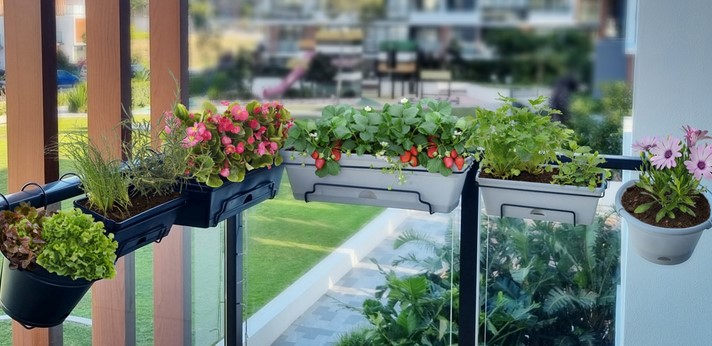
As urbanization continues to grow, available space for traditional gardening is becoming more and more limited. Whether you’re living in a small apartment or a home with a tiny backyard, you may feel restricted in your gardening pursuits. Fortunately, vertical garden kits are here to change the game. These innovative gardening solutions allow you to grow plants upwards, rather than outwards, making them perfect for compact spaces. Vertical gardening offers both aesthetic and practical benefits, enabling you to cultivate a variety of plants in areas where horizontal space is scarce. In this article, we’ll explore the advantages of vertical gardens, the different types of vertical garden kits available, and how to incorporate them into your home or outdoor space for maximum benefit.
1. The Benefits of Vertical Gardening
Vertical gardening has gained significant popularity in recent years, and for good reason. As more people seek sustainable and efficient gardening solutions, vertical garden kits provide an excellent way to maximize limited space while still enjoying the pleasures of home-grown plants. Here are some of the key benefits of vertical gardening.
A. Maximizing Space in Small Areas
One of the most obvious benefits of using vertical garden kits is that they allow you to maximize the available space in small areas. For apartment dwellers or homeowners with limited yard space, vertical gardening is an ideal solution. Instead of spreading plants out horizontally, vertical gardening encourages plants to grow upward along walls, fences, or other structures. This allows you to create a lush garden in areas that would otherwise be unsuitable for traditional gardening.
Whether you’re working with a balcony, rooftop, or a small backyard, vertical garden kits make it possible to grow vegetables, herbs, flowers, and even small fruit-bearing plants in a compact area. By using vertical space, you can create a flourishing garden without sacrificing square footage.
B. Improved Airflow and Sunlight Exposure
Vertical gardens provide better airflow and more even sunlight exposure compared to traditional garden beds. Plants that grow on the ground may experience limited airflow, especially in dense plantings, which can lead to issues like mold, mildew, or pest infestations. In contrast, vertical gardens allow for better circulation around the plants, reducing the risk of these problems and promoting healthy growth.
Additionally, vertical garden kits allow plants to receive more sunlight, as they are positioned higher and are not shaded by other plants. This is particularly beneficial for plants that require a lot of sunlight, such as tomatoes, peppers, or herbs, as they can be placed in a spot that receives maximum exposure.
C. Aesthetic Appeal and Decorative Possibilities
Vertical gardens aren’t just functional; they are also incredibly stylish. By incorporating vertical garden kits into your home or outdoor area, you can create a visually striking feature that draws attention and enhances the overall aesthetic of your space. These gardens can be used to complement modern, rustic, or even minimalist decor, depending on the design of the kit and the plants you choose.
Whether you’re looking to create a green wall as a focal point in your living room or add a touch of greenery to a small balcony, vertical gardens provide a unique and beautiful way to integrate nature into your home. You can use plants of various colors, shapes, and textures to create a dynamic and visually appealing display.
D. Sustainable Gardening
Vertical gardening is not only a space-saving solution, but it can also contribute to a more sustainable lifestyle. By growing your own herbs, vegetables, and flowers, you can reduce your carbon footprint by cutting down on store-bought produce and decorative plants that have been transported long distances. Additionally, vertical gardens can reduce the need for excessive watering and pesticide use by promoting more efficient water drainage and reducing the risk of plant disease.
Furthermore, vertical gardens often require less soil and fewer resources than traditional gardens, which makes them a more sustainable option for those looking to reduce waste and conserve resources.
2. Types of Vertical Garden Kits
Vertical garden kits come in a variety of forms, each suited to different types of spaces and gardening needs. Whether you’re an experienced gardener or a beginner, there is a vertical garden kit that fits your space, style, and skill level. Here are some of the most popular types of vertical garden kits available today.
A. Wall-Mounted Planters
Wall-mounted planters are one of the most common types of vertical garden kits. These kits are designed to attach directly to a wall or fence, making them ideal for balconies, patios, or even indoor spaces with minimal floor space. Wall-mounted planters come in a variety of styles, from simple pocket systems to elegant cascading planters, and can hold a variety of plants, such as herbs, flowers, or succulents.
The beauty of wall-mounted planters is that they can be customized to fit your space and aesthetic preferences. You can opt for a sleek, modern design with geometric planters, or choose a more rustic look with wooden slats or burlap pockets. Wall-mounted planters are a great way to introduce greenery to walls that may otherwise be underutilized.
B. Vertical Planter Towers
Vertical planter towers are freestanding units that allow you to stack multiple planting areas on top of each other. These kits are perfect for smaller outdoor spaces where a traditional raised bed or garden would take up too much room. Planter towers can come in various shapes and sizes, ranging from cylindrical towers to tiered, rectangular designs.
One of the main advantages of vertical planter towers is that they offer ample space for growing a variety of plants. Depending on the design, you can grow everything from herbs and flowers to small vegetables like lettuce or strawberries. Some vertical planter towers even include built-in irrigation systems, making it easier to keep your plants hydrated and healthy.
C. Hanging Gardens
Hanging gardens are another popular choice for those looking to incorporate vertical gardening into their home or outdoor space. These kits typically involve a series of planters or pots that hang vertically on a structure, such as a pergola, balcony railing, or even an outdoor trellis. Hanging garden kits can be used to grow trailing plants like ivy, flowers like petunias, or even climbing vegetables like peas and beans.
Hanging gardens are perfect for adding a touch of greenery to walls or fences while allowing you to grow plants that cascade downwards, creating a beautiful, flowing effect. They are also an excellent choice for gardeners with limited floor space, as they make use of vertical space without taking up precious room on the ground.
D. Modular Vertical Garden Systems
For those looking for a more customizable option, modular vertical garden systems are a great choice. These kits consist of individual planting modules that can be arranged in various configurations to suit your space. The modules can be stacked, attached to walls, or even used as freestanding units, allowing for maximum flexibility in design.
Modular systems are ideal for those who want to experiment with different plant arrangements and layouts. They can be expanded or reconfigured as needed, making them a versatile and long-term solution for vertical gardening.
3. Tips for Maximizing Your Vertical Garden Kits
While vertical garden kits are an excellent solution for maximizing space and growing plants in compact areas, there are a few things to consider when setting up your vertical garden to ensure the best possible results. Here are some helpful tips for getting the most out of your vertical garden kit.
A. Choose the Right Plants
Not all plants are suitable for vertical gardening, so it’s important to choose the right types for your system. Plants with shallow root systems, such as herbs (basil, thyme, mint) and small vegetables (lettuce, radishes), are ideal for vertical gardens. If you’re growing climbing plants like peas or beans, make sure your system has enough vertical height to support their growth.
Additionally, choose plants that can tolerate the amount of sunlight your space receives. Vertical gardens that are positioned on walls or near windows may receive more or less sunlight depending on the orientation of your space, so choose plants accordingly.
B. Ensure Proper Watering and Drainage
Vertical gardens often have different watering needs compared to traditional gardens. Be sure to choose a kit with proper drainage to prevent waterlogging and root rot. Some vertical garden kits come with integrated irrigation systems, which can help ensure your plants receive consistent moisture.
Additionally, since vertical gardens are typically positioned higher off the ground, it’s important to water them regularly and deeply. Use a watering can with a long spout or a hose with a gentle spray to reach the higher levels of your garden.
C. Consider Structural Support
If you’re growing climbing plants or using tall planter towers, it’s important to ensure that your vertical garden kit has adequate structural support. This can involve securing the garden to a wall or adding extra supports for taller plants. Make sure your system is sturdy enough to withstand the weight of the plants and soil, especially when wet.
In conclusion, vertical garden kits provide a fantastic way to grow plants in small, confined spaces, allowing you to maximize every inch of your garden or home. From wall-mounted planters and planter towers to hanging gardens and modular systems, there is a wide variety of options to suit different needs and design preferences. By incorporating vertical gardening into your space, you can enjoy the many benefits of gardening, including improved air quality, sustainability, and aesthetic appeal, all while making the most of your limited space. With a little creativity and the right kit, you can create a thriving vertical garden that brings beauty and nature into your home or outdoor area.