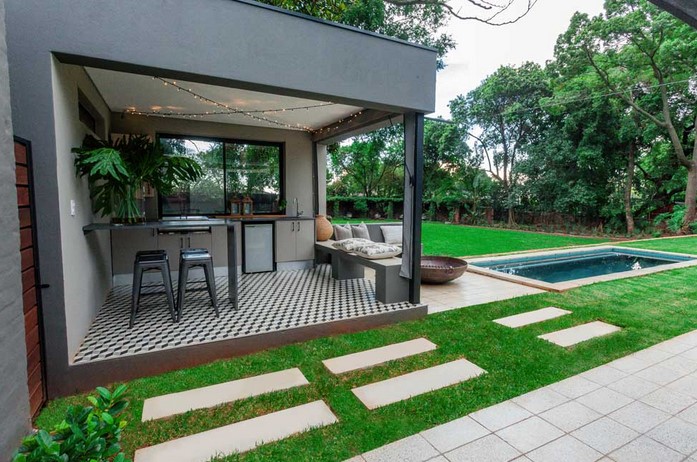
Recycled Garden Furniture for an Eco-Friendly Patio

Source:https://blog.watsons.com

Sustainable living has evolved beyond just recycling plastic bottles and reducing single-use items—it’s now about making eco-conscious choices in all areas of life, including outdoor design. As homeowners become more environmentally aware, one rising trend is the use of recycled garden furniture to create eco-friendly patios. This approach not only minimizes environmental impact but also brings creativity, uniqueness, and character to your outdoor space. Recycled furniture doesn’t mean compromising on quality or aesthetics; on the contrary, it often enhances the story and soul of your garden setting.

The Rise of Sustainable Outdoor Living

In recent years, climate awareness and environmental responsibility have significantly influenced consumer habits, especially in home improvement and outdoor decor. The demand for sustainable and ethically sourced products has skyrocketed, and furniture manufacturers are responding by offering collections made from reclaimed and recycled materials. For the eco-conscious homeowner, this opens up a world of options that align environmental values with functional beauty.

Recycled garden furniture comes in various styles and materials, from rustic wood benches crafted from shipping pallets to elegant dining sets made from recycled plastics. These pieces can be just as stylish, durable, and comfortable as conventional furniture—but with the added benefit of reducing landfill waste and conserving resources. Whether you are renovating a large patio or creating a small balcony garden, recycled furniture can meet both your design needs and sustainability goals.

Types of Recycled Materials Used in Garden Furniture

Reclaimed Wood and Timber

One of the most popular materials for recycled furniture is reclaimed wood. Often sourced from old barns, factories, shipping pallets, or even discarded furniture, reclaimed wood brings a weathered charm and rich history to any garden space. Each plank carries its own imperfections and patina, making every piece one-of-a-kind.

Reclaimed wood can be used to build everything from rustic picnic tables to sleek, modern benches. It is generally durable and, with proper treatment, resistant to the elements. Choosing furniture made from reclaimed timber also reduces deforestation, making it a win-win for your patio and the planet.

Recycled Plastic and Composite Materials

Recycled plastics, such as HDPE (high-density polyethylene), are becoming increasingly popular in outdoor furniture manufacturing. These materials are often derived from post-consumer plastic waste like milk jugs, detergent bottles, and packaging materials. Once processed and reformed, they create durable, weather-resistant furniture that mimics the look and feel of wood without the upkeep.

Composite materials that blend recycled plastics with wood fibers are also used for decking and furniture. These eco-friendly alternatives offer excellent longevity and are low-maintenance, making them ideal for homeowners who want to minimize effort while maximizing impact.

Metal and Industrial Waste Repurposing

Scrap metal from decommissioned machinery, vehicles, or building materials can also be repurposed into artistic and functional garden furniture. Wrought iron, aluminum, and steel are often melted down, reshaped, and repainted to produce robust outdoor pieces. This approach not only recycles otherwise discarded materials but also allows for custom, industrial-inspired designs that can become focal points in a modern garden.

Some artisans go a step further by leaving visible signs of the furniture’s previous life—such as bolts, weld lines, or faded paint—which adds a layer of authenticity and charm to the final product.

Choosing and Maintaining Recycled Garden Furniture

What to Consider Before Buying

When selecting recycled garden furniture, it’s important to consider the material, craftsmanship, and how it fits into your overall garden theme. Look for furniture labeled as made from 100% recycled or reclaimed materials, and confirm that any treatments or finishes used are environmentally friendly and non-toxic.

Also, evaluate how much maintenance each piece will require. For example, recycled wood may need periodic oiling or sealing to maintain its integrity, while plastic or metal options might only need occasional cleaning.

Finally, consider supporting local artisans or small businesses that specialize in upcycled furniture. These producers often craft unique pieces that can’t be found in mass-market stores, adding a personalized touch to your patio while supporting eco-friendly entrepreneurship.

Design Inspiration and Styling Tips

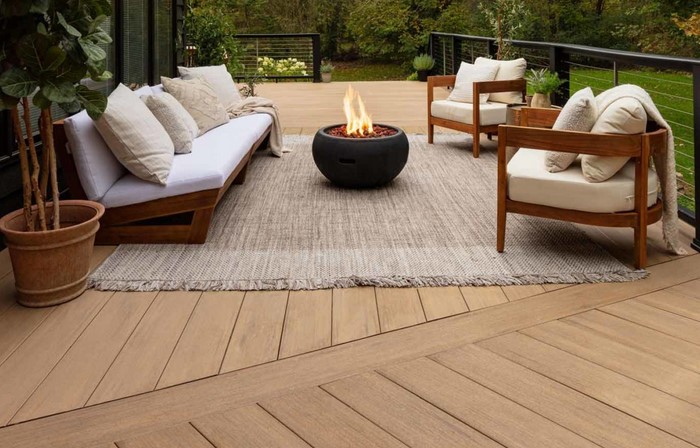
To bring out the best in your recycled garden furniture, consider blending it with other natural and sustainable elements. Complement wooden benches with planters made from reclaimed barrels or hanging lights fashioned from old mason jars. Mix and match textures—such as metal chairs with a wooden table—to create visual interest.

Use cushions and throws made from organic or recycled fabrics to add color and comfort. Incorporate greenery generously, whether in pots or vertical gardens, to reinforce the natural, eco-conscious theme of your patio.

For a cohesive look, stick to a palette inspired by nature—think earthy browns, soft greens, stone grays, and warm rusts. These tones not only harmonize with the environment but also enhance the calming effect of your outdoor retreat.

Choosing recycled garden furniture is a small but powerful step toward building a more sustainable lifestyle. It reflects a commitment to environmental stewardship while offering unique design possibilities and durable, functional comfort. By integrating recycled pieces into your outdoor space, you’re not only reducing waste and conserving resources but also creating a beautiful, eco-friendly patio that tells a story of renewal and responsibility. Embracing this green approach to outdoor living is more than a trend—it’s a long-term investment in both your home and the planet.

Pergola Shading Options for Outdoor Comfort

Source:https://cdn.mos.cms.futurecdn.net

Creating a comfortable and functional outdoor living space is more than just adding furniture or plants—it’s about controlling your environment, especially when it comes to sunlight. Pergolas have become a popular architectural feature for backyards, patios, and garden areas, offering a stylish framework for open-air lounging. However, without proper shading, a pergola may fall short of providing the desired comfort. This is where pergola shading options come into play. With a range of materials and mechanisms available, selecting the right shading solution can transform your outdoor area into a serene retreat or a lively entertainment space, all while offering protection from the sun and enhancing aesthetic value.

Understanding the Purpose of Pergola Shading

The primary role of pergola shading is to create a controlled environment beneath the structure. Depending on your climate and intended use, shading can help manage temperature, reduce UV exposure, shield against light rain, and add privacy. A well-designed shade system can also extend the use of your outdoor space into different seasons or times of day. Whether you seek full coverage or dappled light, there is a shading option to meet your needs.

In addition to functionality, shading options contribute to the visual harmony of a space. From rustic charm to modern minimalism, materials and configurations can be customized to match your design style. With innovations in fabric technology and automation, even the most traditional pergolas can be upgraded to offer smart shading solutions that adapt to your environment.

Types of Pergola Shading Systems

Retractable Canopies and Fabric Panels

Retractable canopies are one of the most versatile and user-friendly shading solutions for pergolas. Typically made from UV-resistant outdoor fabrics like acrylic, polyester, or PVC-coated materials, these canopies can be extended or retracted depending on the weather. The main advantage is flexibility—you can enjoy open skies when desired or shade when needed. Some systems are manually operated, while others are motorized with remote or smart device control.

Fabric panels, on the other hand, are usually fixed in place. These are often chosen for aesthetic reasons, creating a soft, draped look that works beautifully in casual, coastal, or bohemian outdoor settings. With custom printing and color options available, fabric-based solutions offer a high degree of personalization.

Louvered Roofs and Adjustable Slats

For those seeking a more architectural and permanent shading solution, louvered roofs are an excellent choice. These systems feature adjustable slats, often made from aluminum or wood, that can be tilted to control light and airflow. Some high-end models even come with rain sensors and integrated drainage systems, automatically closing when it starts to rain.

Louvered roofs provide a sleek, modern appearance and are highly durable, making them suitable for year-round outdoor use. They are particularly favored in luxury residential and hospitality settings where both function and form are paramount.

Shade Sails and Tensioned Fabric

Shade sails are a visually striking option that can either complement or contrast with the clean lines of a pergola. Made from tensioned fabric stretched between anchor points, they offer dynamic geometry and excellent sun protection. While not always integrated directly into the pergola structure, shade sails can be strategically positioned over or around it to enhance coverage.

Tensioned fabric options also include custom-fitted pergola covers that are permanently installed but designed to withstand weather exposure and maintain structural integrity. These are ideal for locations with strong winds or heavy rainfall.

Natural Shading Solutions

For eco-conscious homeowners or those wanting a more organic look, climbing plants and vines offer a natural form of pergola shading. Wisteria, grapevines, and jasmine are popular choices, as they provide seasonal shade and add fragrance and texture. While it may take time for plants to grow and provide full coverage, the result is a lush, living canopy that changes with the seasons.

Natural materials like bamboo screens or reed mats can also be incorporated as semi-permanent shading options. These not only provide shade but also contribute to a tropical or rustic aesthetic, depending on the overall design.

Choosing the Right Shading Option for Your Needs

Factors to Consider Before Installation

Before selecting a pergola shading solution, several factors should be evaluated. Start by assessing your climate: Do you face intense sunlight, frequent rain, or strong winds? Your local weather will heavily influence material choice and structure.

Next, consider the purpose of your pergola. Will it be a dining area, a lounge, or a workspace? Each use case requires a different level of shade, privacy, and visual appeal. Additionally, think about how often you want to adjust the shade. If flexibility is important, retractable or adjustable systems are ideal.

Budget also plays a significant role. While retractable and motorized options offer advanced convenience, they tend to be more expensive. More affordable solutions include fixed fabric panels or natural shading, though they may require more maintenance or offer less adaptability.

Finally, design compatibility is key. Choose materials and styles that align with your home’s architecture and landscaping. A cohesive look enhances not only the beauty but also the value of your property.

Incorporating the right pergola shading options is essential for transforming an open structure into a versatile and comfortable outdoor living space. From adjustable louvered roofs and retractable canopies to natural green covers and artistic shade sails, there is a solution for every climate, budget, and design preference. The key lies in aligning function with form—choosing a shading system that enhances both comfort and aesthetics. By doing so, you’ll not only protect your space from the elements but also create an inviting atmosphere that encourages relaxation, entertainment, and enjoyment all year round.

Industrial Lighting Styles for a Bold Statement

Source:https://media.designcafe.com

In the world of interior design, few elements combine form and function as effectively as lighting. As design trends evolve, one aesthetic that continues to gain popularity across residential and commercial spaces is industrial lighting. Rooted in the raw, utilitarian appeal of old factories and warehouses, industrial lighting styles offer a unique way to add character and make a bold statement in any setting. With their exposed materials, clean lines, and timeless finishes, these fixtures do more than just illuminate—they shape the ambiance of a space. This article explores the origins, design features, and modern applications of industrial lighting styles, and how they can elevate your interior with an edge of sophistication.

The Origins and Evolution of Industrial Lighting

Industrial lighting originated from necessity during the late 19th and early 20th centuries, particularly in factories, mills, and warehouses. These spaces needed robust, efficient, and durable lighting solutions to provide adequate visibility for workers. As a result, lighting fixtures were designed to be highly functional with minimal decoration. Steel, iron, and aluminum were commonly used, paired with wide shades to maximize light spread.

Over time, this pragmatic design became celebrated for its minimalist and utilitarian charm. What was once purely functional transformed into a distinct design language. Designers and architects began to repurpose vintage industrial fixtures or design modern reproductions that retained the gritty, raw feel while incorporating updated technologies like LED lighting and dimmable controls. The industrial style quickly found a home beyond the factory floor—appearing in lofts, restaurants, retail stores, and even high-end residential interiors.

Key Elements of Industrial Lighting Design

Raw Materials and Exposed Details

One of the defining characteristics of industrial lighting is its use of raw, unfinished materials. Fixtures are often crafted from steel, wrought iron, copper, or brass, with a matte or aged finish. You’ll frequently find exposed bulbs, gears, rivets, and piping integrated into the design. The beauty of these elements lies in their honesty—nothing is hidden or overly polished.

Pendant lights with dome-shaped shades, cage-style sconces, and gooseneck task lamps are all staples of the industrial aesthetic. Many fixtures highlight Edison-style filament bulbs, which not only offer a warm glow but also echo the historical roots of early electrical lighting.

Monochrome and Neutral Color Palettes

Industrial lighting typically features neutral, monochrome palettes—think black, gray, bronze, or gunmetal. These subdued hues allow the materials and design to take center stage without overwhelming the surrounding decor. In modern applications, designers often mix industrial fixtures with lighter elements to create contrast and balance—such as pairing a black steel pendant with a white marble countertop.

Scalability and Versatility

Another reason industrial lighting styles are so popular is their versatility. Whether you’re working with a small urban apartment or a sprawling commercial space, industrial fixtures can be scaled to fit the environment. Large metal pendants can create focal points over dining areas, while smaller wall sconces can line hallways or accent artwork. These pieces integrate seamlessly with a wide range of design aesthetics—from rustic farmhouse and mid-century modern to Scandinavian minimalism and contemporary chic.

Modern Applications and Innovative Trends

Today’s designers continue to innovate within the industrial lighting framework, blending classic elements with new materials and technologies. For instance, LED industrial-style fixtures now offer energy efficiency without compromising the vintage aesthetic. Additionally, smart lighting controls are being integrated into industrial designs, allowing for customizable brightness and color temperature—perfect for setting the mood in modern homes or hospitality environments.

Reclaimed Materials: Sustainability has become a major focus in design, and industrial lighting is no exception. Many contemporary industrial fixtures are made from repurposed or upcycled materials—old pipes, barn wood, or salvaged metal components—bringing both character and environmental consciousness to a project.

Mixed-Material Designs: To keep the style fresh and relevant, designers often mix industrial elements with other materials. For example, combining concrete with brushed metal, or adding wood accents to steel fixtures. These combinations soften the hard edges of industrial design and make the lighting more adaptable to varied decor themes.

Statement Fixtures: Industrial lighting is increasingly being used to make a bold statement in high-traffic areas such as foyers, open kitchens, and commercial lobbies. Oversized pendants, multi-arm chandeliers, and clustered bulb installations are being employed not only for their lighting capabilities but also for their sculptural impact.

Outdoor Adaptation: Another growing trend is the use of industrial lighting styles in outdoor environments. Weatherproof versions of industrial wall sconces and ceiling lights are perfect for patios, porches, and gardens, lending a rugged charm while withstanding the elements.

Conclusion: Industrial Lighting for Impactful Design

Whether you’re renovating a loft, designing a trendy café, or simply looking to update your living room, incorporating industrial lighting styles can deliver both visual interest and functional brilliance. Their raw materials, timeless appeal, and adaptability make them ideal for any space that needs a bold, confident touch. By blending historic authenticity with modern innovation, industrial lighting continues to be a staple for designers who want to make a powerful and enduring statement.

Wall-Mounted Desks: Perfect for Small Home Offices

Source:https://www.thespruce.com

In today’s modern world, where many individuals work remotely or freelance, creating a productive and efficient home office is more important than ever. However, limited space in apartments or smaller homes can make it difficult to design an office that promotes focus and organization. This is where wall-mounted desks come into play. These innovative, space-saving furniture pieces are ideal for small home offices, offering functionality without taking up precious floor space. In this article, we’ll explore the benefits of wall-mounted desks, the various styles available, and how to make the most of this versatile solution for your home office.

Why Choose Wall-Mounted Desks?

Space-Saving Solution for Small Areas

One of the most significant advantages of wall-mounted desks is their ability to save space. Traditional desks can be bulky, requiring ample floor space and often overwhelming small rooms. Wall-mounted desks, however, free up valuable floor area by attaching directly to the wall. This allows you to maximize your room’s functionality without feeling cramped or cluttered.

A wall-mounted desk creates an open and airy environment, making small rooms feel larger and more efficient. The lack of legs also makes it easier to clean underneath, giving your space a more organized, polished appearance. Whether you’re working in a tiny nook or a room with multiple purposes, a wall-mounted desk can fit into any configuration and adapt to your space.

Versatility and Customization

Another benefit of wall-mounted desks is their versatility. These desks are available in a wide variety of designs, from minimalist floating desks to larger, more functional desks with built-in storage. You can find wall-mounted desks with drawers, shelves, and even foldable components that allow for flexible use of your space. For example, if you’re only using the desk occasionally, a foldable or retractable wall-mounted desk might be perfect, as you can simply fold it away when not in use.

Additionally, wall-mounted desks come in different materials, such as wood, metal, or even glass, allowing you to select the one that best complements your existing decor. Whether you’re going for a sleek modern look or a more rustic aesthetic, there is a wall-mounted desk style to match your vision.

Enhanced Ergonomics

A well-designed wall-mounted desk can also contribute to better ergonomics in your workspace. Since these desks are attached to the wall at customizable heights, you can adjust the desk to your ideal sitting or standing position, promoting better posture and reducing strain on your back and neck. Many wall-mounted desks also have adjustable components, such as extendable arms for monitors or keyboard trays, ensuring you can set up your workspace exactly how you need it.

Types of Wall-Mounted Desks

1. Floating Desks

Floating wall-mounted desks are one of the most popular choices for small home offices due to their clean, minimalist look. These desks appear to “float” because they do not have any visible legs. Instead, they are mounted directly to the wall using sturdy brackets or supports that hold the weight of the desk.

  • Pros: Floating desks offer a modern, sleek aesthetic and are ideal for small spaces because they occupy minimal visual space. Their open design creates an airy feel, making them perfect for rooms with limited floor space.
  • Cons: While floating desks are stylish and functional, they typically do not offer much in terms of built-in storage, making them less ideal for individuals who need to store office supplies, papers, or equipment.

2. Fold-Down Desks

Fold-down wall-mounted desks are perfect for those who need a work surface occasionally but don’t want to sacrifice space when not using the desk. These desks can be folded up against the wall when not in use, which is ideal for multi-purpose rooms or areas where space is at a premium.

  • Pros: Fold-down desks can be folded flat against the wall, completely out of sight when not in use. They are highly adaptable and can be installed in places where a traditional desk would not fit, such as in hallways, kitchens, or guest rooms.
  • Cons: While fold-down desks save space, they may not provide as much workspace or storage as more permanent wall-mounted desks. Additionally, they may not be as sturdy or durable as other desk types.

3. Wall-Mounted Desks with Storage

For those who need a more functional office setup, wall-mounted desks with built-in storage are an excellent choice. These desks often include shelves, drawers, or cabinets for storing office supplies, files, and even a printer. The storage options help to keep your workspace organized and reduce clutter, which is particularly helpful in a small home office where every inch of space counts.

  • Pros: These desks offer both workspace and storage in a compact design, making them ideal for people who need to keep essential items within arm’s reach. They often include thoughtful features like hidden compartments, cable management systems, and adjustable shelves.
  • Cons: Wall-mounted desks with storage can be more expensive and may require more installation time due to their complexity. Additionally, they may take up more space than simpler designs, though they still remain a great option for organizing a small office.

4. Standing Desks

Wall-mounted standing desks are an increasingly popular choice for those who want to alternate between sitting and standing while working. These desks are mounted at a height that allows you to work while standing, helping to reduce the risks associated with prolonged sitting, such as back pain and poor circulation.

  • Pros: Standing desks promote better posture and reduce the negative effects of sitting for long periods. Many wall-mounted standing desks are adjustable, allowing you to switch between sitting and standing positions with ease.
  • Cons: Standing desks require enough wall space to accommodate the height adjustment mechanisms. They may also be less comfortable for people who prefer sitting for long stretches, as standing for extended periods can be tiring without proper ergonomic adjustments.

How to Choose the Right Wall-Mounted Desk for Your Office

Consider Your Space and Layout

Before purchasing a wall-mounted desk, carefully evaluate your available space. Measure the wall area where you plan to install the desk and consider the desk’s dimensions to ensure it fits comfortably. Floating desks work well in smaller rooms, while fold-down desks are ideal for tight spaces that may need to double as a guest room or lounge area. Wall-mounted desks with storage are great for larger spaces where you need more organization.

Determine Your Needs

Think about how you use your home office. Do you need extra storage for office supplies? Do you prefer to stand while working, or do you need a large surface for a computer and other equipment? Understanding your needs will help guide your decision, ensuring that the desk you choose supports your work habits and enhances your productivity.

Material and Design

The material and design of the wall-mounted desk should align with your home’s aesthetic. If your home office has a modern vibe, a sleek metal or glass desk might be the perfect fit. For a more rustic or cozy feel, a wooden desk might be better suited. Ensure that the desk material is durable enough to handle the weight of your equipment.

Wall-mounted desks are an excellent solution for creating a functional, stylish, and space-efficient home office. They offer a variety of benefits, including space-saving designs, enhanced ergonomics, and customizable features that can fit any home’s unique needs. Whether you choose a floating desk, fold-down option, or a desk with built-in storage, there’s a wall-mounted desk to suit every space and work style. By selecting the right desk, you can create a comfortable and productive home office environment, even in the smallest of spaces.

Smart Home Devices to Simplify Daily Life

Source:https://www.fullspectrumtg.com

In today’s fast-paced world, technology is playing an ever-increasing role in simplifying daily tasks and improving our quality of life. Smart home devices have emerged as one of the most significant innovations, offering convenience, energy efficiency, and enhanced security right at our fingertips. These devices allow us to control various aspects of our home, from lighting and temperature to security systems, all through smartphones, voice commands, or even automated schedules. As smart homes continue to evolve, the possibilities for improving daily life are becoming more expansive. In this article, we’ll explore some of the most popular smart home devices and how they can help make your daily routines easier, more efficient, and more enjoyable.

Benefits of Smart Home Devices

Convenience at Your Fingertips

The primary appeal of smart home devices is the convenience they offer. With the ability to control various systems in your home remotely, you can manage everything from your thermostat to your lighting with a simple tap on your phone or a voice command. This level of convenience is particularly beneficial for busy individuals or families, as it allows for seamless management of household tasks without needing to be physically present.

For example, imagine coming home from a long day at work and having your house automatically adjust to the perfect temperature, lights turned on to your preferred settings, and even your favorite music playing in the background— all without lifting a finger. This is the type of experience smart home devices can offer, turning your home into a more efficient, responsive environment.

Improved Energy Efficiency

Another significant advantage of smart home devices is their ability to help you save energy and reduce utility bills. Smart thermostats, for instance, learn your schedule and preferences, adjusting the temperature of your home only when needed. This means that you can maintain a comfortable living environment without having to worry about wasting energy when you’re not at home. In fact, some studies have shown that homes with smart thermostats can reduce energy consumption by as much as 10-15%.

Similarly, smart lighting systems can be programmed to turn off automatically when no one is in the room, helping to conserve electricity. Smart plugs also allow you to monitor and control the power consumption of appliances, ensuring that devices are only running when necessary.

Enhanced Security and Safety

Smart home devices are also helping to enhance the safety and security of our homes. With the integration of smart cameras, doorbell systems, and motion detectors, homeowners can monitor their property from anywhere in the world. These devices provide real-time alerts on your smartphone if any unusual activity is detected, helping you respond quickly in case of an emergency.

For example, a smart doorbell camera lets you see and communicate with visitors at your door, even if you’re not at home. Smart locks offer an added layer of security, allowing you to lock or unlock doors remotely, and even grant access to guests or service personnel with temporary codes.

Additionally, devices like smoke detectors and carbon monoxide detectors can alert you to dangers in your home, even when you’re not around, ensuring that you are always aware of potential hazards.

Popular Smart Home Devices to Simplify Your Life

1. Smart Thermostats

Smart thermostats, such as the Nest Learning Thermostat or the Ecobee SmartThermostat, are among the most popular and useful smart home devices on the market. These thermostats automatically adjust the temperature of your home based on your schedule and preferences, learning your habits over time to ensure that your heating and cooling systems are only running when they need to be.

Smart thermostats also allow you to control your home’s temperature remotely, either through an app on your smartphone or via voice command using Alexa, Google Assistant, or Siri. Whether you’re on vacation or just heading home from work, you can adjust the temperature to your liking, ensuring that you come back to a comfortable home.

2. Smart Lighting Systems

Gone are the days of manually turning lights on and off, especially when you leave a room. Smart lighting systems, such as Philips Hue or LIFX bulbs, allow you to control your lighting remotely, dim or brighten rooms based on your preference, and even change colors to set the mood. You can schedule your lights to turn on or off at specific times, so you never have to worry about whether you left a light on when you leave the house.

For added convenience, many smart lighting systems are compatible with voice assistants, enabling you to control your lights with a simple command. For instance, you can say “Alexa, turn off the lights in the living room” while you’re sitting on the couch, making it easier to adjust your home’s lighting without having to get up.

3. Smart Security Cameras and Doorbells

Security is a top priority for most homeowners, and smart security cameras and doorbells are some of the best smart home devices for ensuring your home is safe. Products like the Ring Video Doorbell or Arlo Pro cameras let you monitor the exterior of your home in real time, receive alerts when someone approaches, and even communicate with visitors through two-way audio.

These cameras are often equipped with motion sensors, night vision, and cloud storage, so you can access recorded footage if needed. Some models also integrate with other smart home devices, allowing you to lock doors, activate alarms, or adjust lighting when security threats are detected.

4. Smart Plugs

Smart plugs are small devices that can transform any regular appliance into a smart one. Simply plug your device into a smart plug, and you can control it remotely through an app or voice assistant. Whether it’s a lamp, coffee maker, or fan, smart plugs allow you to switch appliances on or off from anywhere, ensuring that devices aren’t wasting energy when not in use.

Some advanced smart plugs even allow you to monitor energy consumption, providing insights into how much power each appliance is using and helping you make more informed decisions about your energy use.

5. Smart Voice Assistants

Devices like Amazon Alexa, Google Assistant, and Apple Siri have revolutionized the way we interact with our homes. These smart voice assistants act as a hub for your other smart home devices, allowing you to control lights, thermostats, security systems, and even entertainment devices, all through simple voice commands.

You can ask your voice assistant to play music, set reminders, provide weather updates, or make grocery lists, all while performing other tasks around the house. Voice assistants also integrate with many third-party apps, allowing for even more functionality, such as making phone calls or ordering groceries online.

How to Integrate Smart Home Devices into Your Routine

Creating a Seamless Smart Home Experience

The key to truly simplifying your daily life with smart home devices is integration. Many smart home systems and devices are designed to work together, allowing you to automate and customize your home environment. For example, you can create “scenes” or routines where several devices work together at the same time.

For instance, a “Good Morning” routine could include your smart thermostat adjusting to the ideal morning temperature, your smart coffee maker brewing your coffee, and your lights gradually brightening as you wake up. Similarly, you could create an “Away” routine where your thermostat adjusts the temperature, your lights turn off, and your security cameras are activated when you leave the house.

The more you integrate your smart home devices, the more streamlined and efficient your daily life becomes.

Smart home devices offer a vast array of benefits that make daily life more convenient, efficient, and secure. From controlling your home’s temperature with a smart thermostat to enhancing your security with smart cameras and doorbells, these devices allow for greater control over your environment while reducing time and effort spent on mundane tasks. As smart technology continues to evolve, the potential for further simplifying daily routines is immense. Whether you’re looking to save energy, improve your home’s security, or simply enjoy more convenience, integrating smart home devices into your daily life is a great way to experience a more efficient, enjoyable living environment.