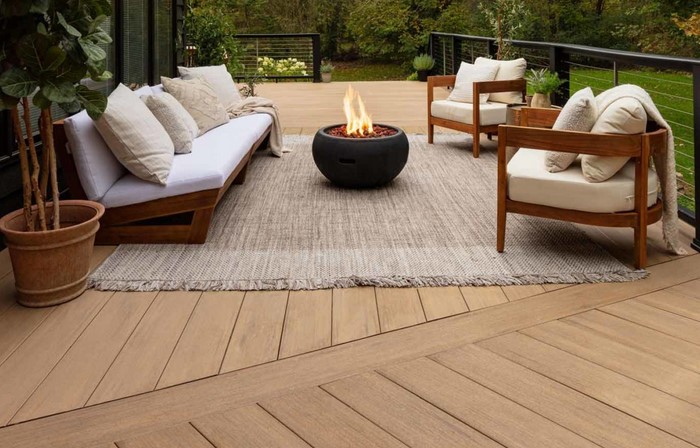
As more homeowners seek eco-friendly alternatives for their outdoor spaces, sustainable solutions have become a priority in landscaping and home design. One of the most impactful ways to reduce your environmental footprint while enhancing your home’s exterior is by choosing recycled outdoor decking materials. Traditional wood decks, while beautiful, contribute to deforestation and often require regular maintenance that can harm the environment. Recycled outdoor decking offers a durable, sustainable, and low-maintenance alternative, giving you the chance to enjoy a beautiful deck without compromising the planet’s health. In this article, we will explore the advantages of recycled outdoor decking, the various materials available, and why it’s an ideal choice for those who want to build a stylish yet environmentally conscious outdoor living space.
1. Why Choose Recycled Outdoor Decking?
The demand for eco-friendly materials in construction and landscaping is steadily rising. When it comes to outdoor decking, recycled materials are gaining popularity because of their ability to offer both environmental and practical benefits. Let’s take a closer look at the advantages of choosing recycled outdoor decking for your deck:
A. Environmental Benefits
The primary reason many homeowners are opting for recycled decking materials is to contribute to environmental sustainability. Traditional wood decking often relies on timber from forests, leading to deforestation and habitat destruction. By using recycled materials, you can reduce the need for new timber and help conserve forests.
Recycled outdoor decking is typically made from materials such as reclaimed wood, recycled plastic, or a combination of both. These materials are repurposed from products that would otherwise end up in landfills. For instance, plastic bottles, used pallets, or discarded wood can be reprocessed into durable decking boards. This process significantly reduces waste, making recycled decking a sustainable alternative to traditional materials.
Moreover, many manufacturers of recycled decking use environmentally friendly production methods. Some decking products are made with low or zero-emission processes, further reducing their environmental impact.
B. Durability and Low Maintenance
One of the major advantages of recycled outdoor decking is its exceptional durability. Recycled decking materials, particularly those made from a combination of wood fibers and plastic (also known as composite decking), are highly resistant to the elements. They do not warp, splinter, or crack as easily as traditional wood decking, making them an excellent choice for long-lasting outdoor solutions.
Additionally, recycled decking typically requires much less maintenance than natural wood. Unlike wood, which needs to be stained or sealed regularly to protect it from moisture, insects, and UV rays, recycled decking materials are designed to withstand harsh weather conditions without the need for frequent upkeep. This makes them an ideal option for busy homeowners who want a beautiful, functional deck without the time and effort required for ongoing maintenance.
C. Aesthetic Flexibility
Another advantage of recycled outdoor decking is the wide range of colors, textures, and finishes available. Whether you prefer a sleek, modern look or a more natural, rustic aesthetic, you can find recycled decking options to match your style. Recycled decking products can be molded to mimic the appearance of wood, giving you the classic charm of a wood deck without the associated environmental impact.
Some recycled decking options even offer customizable features, allowing you to choose from various colors and textures, as well as finishes that match your overall outdoor design. This versatility ensures that you can create the perfect deck that complements your home’s exterior and outdoor living area.
2. Types of Recycled Outdoor Decking Materials
There are several types of recycled materials commonly used in outdoor decking. Each has its own set of advantages, and the choice of material will largely depend on your budget, desired appearance, and specific functional needs. Here’s a breakdown of the most popular types of recycled decking materials:
A. Composite Decking
Composite decking is perhaps the most popular form of recycled outdoor decking. It’s typically made from a blend of wood fibers (often sourced from recycled wood products) and recycled plastic (such as polyethylene). The combination of these materials makes composite decking incredibly durable and resistant to moisture, decay, and insect damage.
The aesthetic appeal of composite decking is another reason it’s so widely chosen. It can be manufactured to mimic the appearance of natural wood, with grain patterns and textures that look remarkably similar to real wood. Additionally, composite decking is available in a variety of colors and finishes, providing homeowners with a wide range of design options.
One of the standout features of composite decking is its low maintenance. Unlike wood, it doesn’t need to be stained or sealed, and it can be cleaned easily with soap and water. Many composite decking products also come with warranties, providing homeowners with added peace of mind about their investment.
B. Recycled Plastic Decking
Recycled plastic decking is another excellent option for homeowners seeking an eco-friendly decking solution. Made from 100% recycled plastic materials, such as bottles, containers, and other plastic waste, this type of decking is entirely free of wood fibers. Recycled plastic decking is highly durable, resistant to moisture, and won’t splinter or warp over time.
One of the main benefits of recycled plastic decking is its resistance to mold, mildew, and algae growth. Because plastic doesn’t absorb moisture, it’s less prone to rotting or decaying compared to wood, making it ideal for areas that experience high humidity or rain. Additionally, recycled plastic decking is available in various colors and can be designed to resemble wood, though it lacks the natural texture of wood.
Recycled plastic decking is also extremely low-maintenance. It doesn’t require any sanding, sealing, or staining, and can typically be cleaned with soap and water. For homeowners looking for a virtually maintenance-free deck, recycled plastic decking is a great option.
C. Reclaimed Wood Decking
For homeowners who want a more natural look but still wish to use recycled materials, reclaimed wood decking is an excellent choice. Reclaimed wood is salvaged from old barns, warehouses, or other structures, giving it a unique, weathered appearance. The wood is then cleaned, sanded, and treated to make it suitable for outdoor use.
Reclaimed wood decking is often praised for its distinctive charm and rustic beauty. Because it’s repurposed, it also helps reduce the demand for new lumber, making it an eco-friendly choice. However, reclaimed wood decking may require more maintenance than composite or plastic decking, as it’s still a natural material that can be prone to wear and tear. Regular sealing and treatment may be needed to keep the wood looking its best.
D. Rubber Decking
Rubber decking, made from recycled rubber tires, is a more unconventional option but offers a number of advantages. It’s slip-resistant, shock-absorbent, and highly durable, making it a great choice for areas around pools or outdoor entertainment spaces. Rubber decking is available in various textures and colors, providing versatility in design.
Like recycled plastic, rubber decking is low-maintenance and resistant to water, mold, and mildew. It also provides excellent cushioning, making it a good option for families with children or pets.
3. Installation and Care for Recycled Outdoor Decking
Once you’ve selected the right type of recycled outdoor decking material, it’s important to ensure proper installation and care to get the most out of your investment. Here are some tips for installing and maintaining your recycled deck:
A. Professional Installation
Although some recycled decking materials are designed for DIY installation, it’s often best to hire a professional installer. Proper installation is crucial to the longevity and stability of your deck. A professional can ensure that the decking is properly secured, leveled, and aligned, which will prevent problems such as sagging or uneven surfaces down the road.
B. Regular Cleaning
Even though recycled outdoor decking requires less maintenance than traditional wood, it still needs to be cleaned regularly to preserve its appearance. For composite or plastic decking, a simple rinse with a garden hose or a mild soap solution should be sufficient to remove dirt and debris. Use a soft brush or cloth to scrub away any stubborn stains, being careful not to scratch the surface.
For reclaimed wood decking, periodic cleaning and sealing will help protect it from moisture and weathering. Consider using a wood cleaner or a specialized deck cleaning solution to keep the surface looking fresh.
C. Periodic Inspections
Regularly inspecting your deck for damage or wear will help ensure its longevity. Check for any loose boards, cracks, or signs of mold or mildew, and address any issues promptly. Recycled decking materials are designed to be durable, but it’s always a good idea to keep an eye on your deck to prevent small issues from becoming bigger problems.
In conclusion, recycled outdoor decking is an ideal solution for homeowners who want to create a stylish, durable, and sustainable outdoor space. By choosing materials like composite decking, reclaimed wood, recycled plastic, or rubber, you can enjoy the beauty of a new deck while helping to reduce waste and conserve natural resources. Recycled decking offers exceptional durability, requires minimal maintenance, and can be tailored to match your outdoor aesthetic. Whether you’re looking to enhance your backyard, create a cozy outdoor entertainment area, or simply reduce your environmental impact, recycled outdoor decking is a great choice for building a deck that lasts.