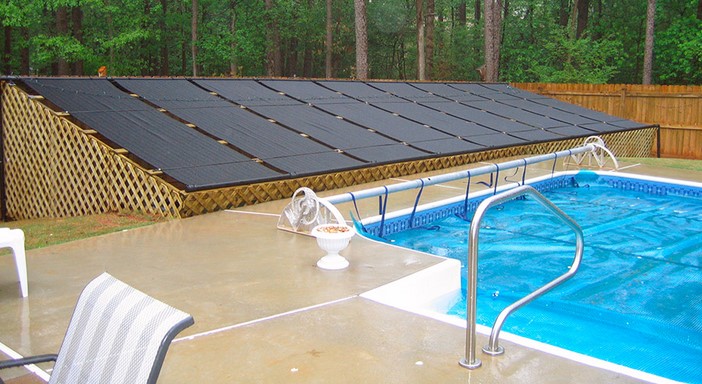
When it comes to extending your pool season and enjoying warm water all year round, solar-powered pool heaters present an eco-friendly and cost-effective solution. As energy costs continue to rise and environmental concerns become more pressing, many pool owners are turning to solar-powered systems to maintain a comfortable water temperature without the hefty utility bills. Solar pool heating systems harness the power of the sun to heat your pool, making them an ideal choice for those looking to reduce their carbon footprint while enjoying consistent warmth in their pools. In this article, we’ll explore how solar-powered pool heaters work, their benefits, and why they’re becoming an increasingly popular choice for sustainable pool heating.
1. How Solar-Powered Pool Heaters Work
Solar-powered pool heaters are designed to take advantage of the sun’s energy to heat your pool water. The system works by circulating water through solar collectors—large panels or tubes—where the water is heated by the sun before being returned to the pool. This process is simple, efficient, and environmentally friendly, relying on renewable energy instead of electricity or gas to generate heat. Here’s a breakdown of how it works:
Components of a Solar Pool Heating System
A solar-powered pool heating system consists of several key components:
- Solar Collectors: These are the panels or tubes that absorb sunlight and transfer heat to the water. The most common types are flat-plate collectors or evacuated tube collectors. Flat-plate collectors are large panels that sit on your roof or another sunny area, while evacuated tube collectors are cylindrical and more efficient at collecting sunlight.
- Pump: The pump circulates water from the pool through the solar collectors. The water is typically filtered before it enters the system to ensure that debris doesn’t clog the collectors.
- Flow Control Valve: This valve helps regulate the flow of water through the system, ensuring that the water stays at an optimal temperature before it returns to the pool.
- Controller: A controller unit monitors the temperature of both the pool water and the water in the solar collectors. It determines when the system should activate or shut down, ensuring efficient use of the solar energy.
- Storage Tank (Optional): Some systems include a storage tank, which can be used to store heated water for later use, ensuring that the pool remains warm during cloudy days or at night.
The Heating Process
The water from the pool is pumped into the solar collectors, where it flows through the tubes or panels. These collectors are typically installed on a roof, deck, or a sunny spot in your yard, where they can absorb maximum sunlight. As the water passes through the collectors, the sun’s energy heats it. The heated water is then returned to the pool, raising the overall temperature of the water.
The process continues as long as the sun is shining, with the system automatically shutting off once the desired temperature is reached. On cloudy or rainy days, the system may not heat the water as effectively, but many systems include a backup heating option (such as gas or electric) to maintain temperature when solar energy is insufficient.
2. The Benefits of Solar-Powered Pool Heaters
There are numerous benefits to installing a solar-powered pool heater. These systems offer significant cost savings, environmental advantages, and enhanced comfort for pool owners. Below are some of the key benefits:
1. Energy Efficiency and Cost Savings
One of the biggest advantages of solar-powered pool heaters is the reduction in energy costs. Unlike traditional gas or electric heaters that require an external power source, solar heaters rely entirely on renewable solar energy, which is free. As a result, once installed, your operational costs are minimal, making it a highly cost-effective option in the long term.
While the initial installation cost of a solar heating system can be higher than that of conventional heaters, the savings on energy bills can quickly make up for the upfront cost. Most pool owners find that their solar-powered pool heater pays for itself within a few years due to the elimination of energy costs.
2. Environmental Sustainability
Solar-powered pool heaters are an eco-friendly alternative to traditional pool heating methods. By using the sun’s renewable energy, you reduce your reliance on fossil fuels, lowering your carbon footprint and contributing to a greener planet. Unlike gas heaters that emit greenhouse gases or electric heaters that may draw power from non-renewable sources, solar heaters are clean, sustainable, and produce no harmful emissions.
Using solar energy for pool heating also helps reduce the environmental impact associated with electricity generation and fossil fuel extraction. By switching to a solar-powered system, pool owners can significantly reduce their overall energy consumption and help mitigate climate change.
3. Long-Lasting and Low Maintenance
Solar-powered pool heaters are built to last. With proper installation and regular maintenance, they can serve for 15-20 years or even longer. The systems have fewer moving parts compared to gas or electric heaters, reducing the likelihood of mechanical failure and the need for costly repairs.
Maintenance typically involves cleaning the collectors to ensure they are free of debris and checking for any signs of wear. This is relatively simple and inexpensive compared to the ongoing maintenance required for gas or electric heaters, which often require professional servicing.
4. Consistent Pool Heating
Solar-powered pool heaters can provide a steady, consistent temperature for your pool, especially during sunny days when solar energy is abundant. The system works efficiently to maintain a comfortable pool temperature without the fluctuations often associated with traditional heating methods. On particularly sunny days, solar pool heaters can even provide excess heat, allowing you to enjoy a warm swim late into the season.
In addition, many solar pool heating systems are designed to work in conjunction with automatic pool covers, helping retain the heat overnight or during cooler weather. This combination ensures that the pool stays at the optimal temperature with minimal energy loss.
3. Factors to Consider When Choosing Solar-Powered Pool Heaters
While solar-powered pool heaters offer many advantages, it’s important to consider several factors to ensure you select the right system for your pool. Here are a few things to keep in mind when deciding on a solar pool heater:
1. Size and Pool Type
The size of your pool is an essential factor in choosing a solar heater. Larger pools will require larger or more solar collectors to heat the water effectively. It’s important to work with a professional to calculate the appropriate collector area needed for your pool. A general guideline is that the solar collector area should be equal to about 50% to 100% of the surface area of your pool.
Additionally, the type of pool you have—whether in-ground or above-ground—can affect the installation and system requirements. In-ground pools typically need larger systems due to their greater water volume, while above-ground pools may require smaller setups.
2. Climate and Location
Your geographic location and local climate play a significant role in how effective a solar-powered pool heater will be. Areas with abundant sunlight, such as those in the southern United States or tropical climates, are ideal for solar pool heating systems. If you live in a region with frequent cloud cover or long winters, you might need to supplement the solar system with a backup heating option, such as gas or electric heating.
3. Roof Space and Installation Considerations
Since solar collectors are typically mounted on the roof, it’s important to assess the available roof space and its orientation to the sun. The collectors should be installed in an area that receives maximum sunlight throughout the day, ideally facing south for optimal efficiency.
It’s also crucial to consider the structural integrity of your roof, especially if you’re installing large or multiple solar panels. A professional installer will evaluate your roof and determine the best configuration for your system.
Incorporating solar-powered pool heaters into your backyard is an excellent way to achieve sustainable, cost-effective heating for your pool. By harnessing the power of the sun, you can enjoy warm water year-round without worrying about high energy bills or environmental impact. With minimal maintenance, long-lasting durability, and impressive energy savings, solar-powered pool heaters offer a practical and eco-friendly solution for any pool owner. As renewable energy continues to grow in popularity, solar pool heaters stand out as an ideal choice for those looking to combine comfort, efficiency, and sustainability in their pool heating system.